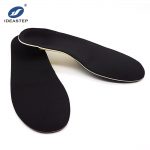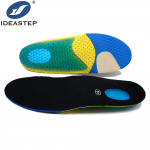
Performance footwear brands are increasingly looking for lightweight reinforcement materials that improve support without adding unnecessary weight. A carbon fiber plate shoe insert provides an effective option for developing high-performance footwear products that require enhanced stability, durability, and structural support.
Compared with traditional support materials, carbon fiber offers excellent strength-to-weight performance. When integrated into insole structures, it helps manufacturers create thinner, lighter, and more durable products for sports footwear, premium footwear, and specialized support applications.
For brands developing customized footwear products, working with an experienced custom insole manufacturer allows greater flexibility in material selection, structural design, prototype development, and bulk production.
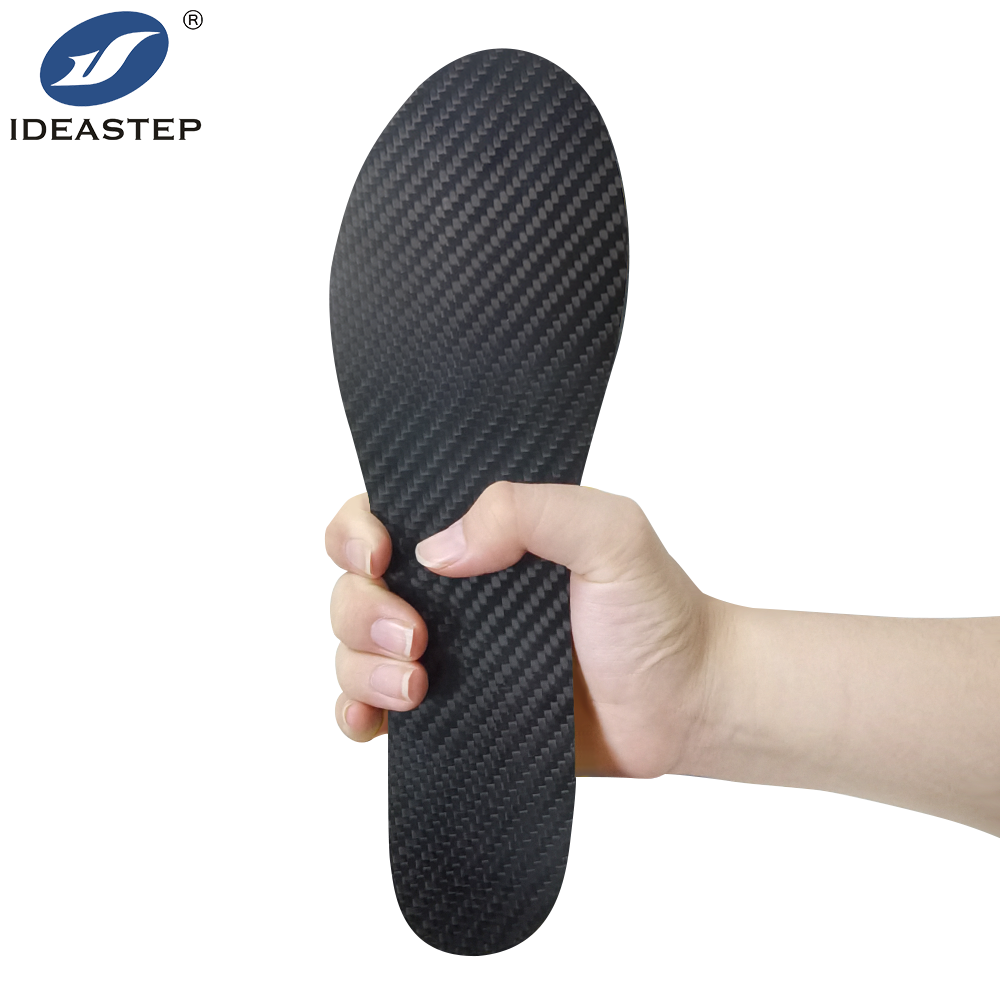
What Makes Carbon Fiber Plate Inserts Different?
A carbon fiber plate shoe insert integrates a carbon fiber reinforcement layer into an insole structure to improve stiffness, stability, and weight efficiency.
Unlike traditional foam-only designs, carbon fiber reinforced insoles combine advanced composite materials with cushioning layers to achieve a balance between support and wearing comfort.
A typical structure may include:
- Carbon fiber reinforcement plate
- EVA or foam cushioning layer
- Support layer
- Breathable top cover
- Anti-slip bottom layer
The final construction can be adjusted according to footwear type, performance requirements, and target market positioning.
Material Structure and Design Considerations
The performance of carbon fiber shoe inserts depends on how different materials work together. During product development, manufacturers need to balance rigidity, cushioning, flexibility, and overall comfort.
Carbon Fiber Reinforcement Layer
The carbon fiber plate provides the main structural support.
During OEM development, manufacturers can adjust:
- Plate thickness
- Flexibility level
- Reinforcement position
- Carbon fiber layout
These adjustments allow brands to develop products for different performance requirements.
EVA and Foam Cushioning Layers
While carbon fiber provides structural reinforcement, cushioning materials improve comfort and impact absorption.
Common combinations include:
- EVA foam for lightweight cushioning
- PU foam for soft comfort
- Memory foam for pressure-relieving performance
The combination of carbon fiber and foam materials allows manufacturers to create products with both support and comfort.
Functional Surface and Bottom Materials
The top and bottom layers influence the final user experience.
Common options include:
- Microfiber or velvet top covers
- Breathable textile materials
- Anti-slip bottom fabrics
These materials help improve moisture management, stability inside the shoe, and product appearance.
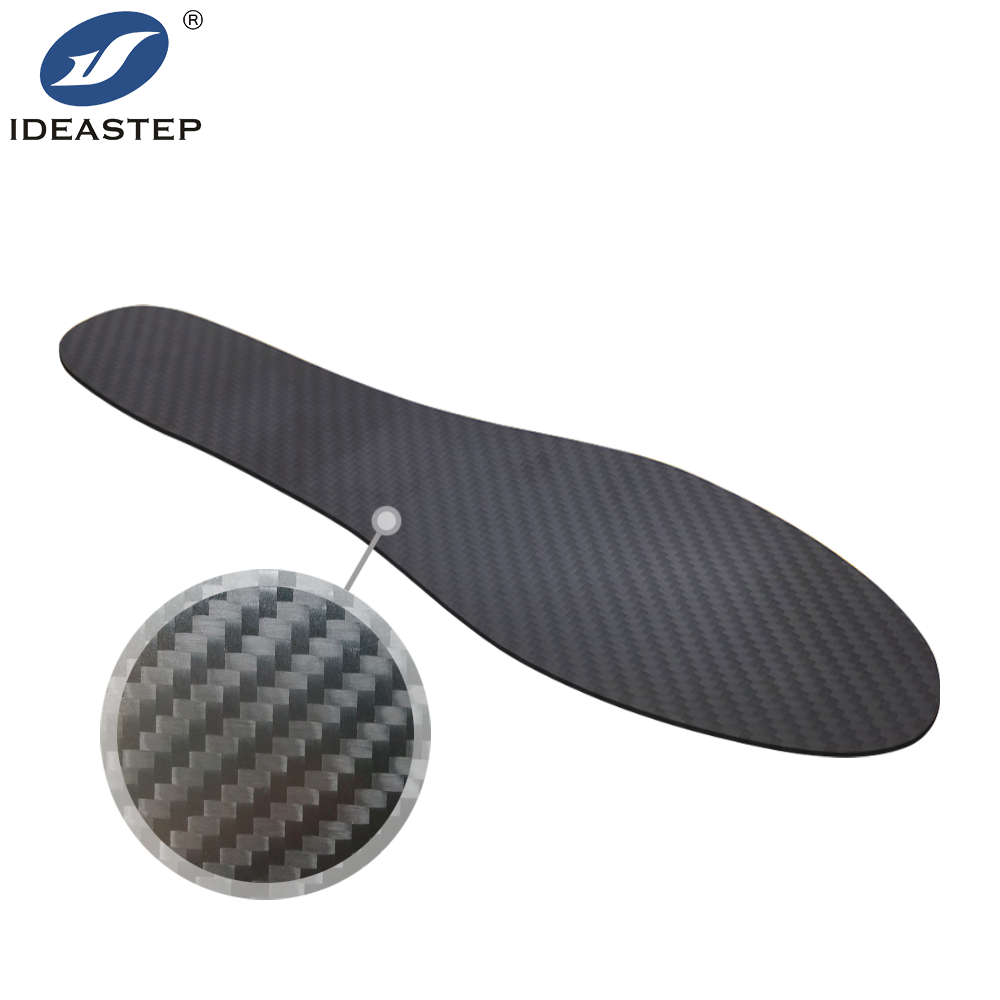
OEM Customization Options for Carbon Fiber Shoe Inserts
For footwear brands and distributors, standard carbon fiber inserts may not always match specific product requirements. Professional manufacturers can provide customized development based on application needs.
Structural Design Customization
OEM projects can include:
- Carbon fiber plate design adjustment
- Different support levels
- Customized thickness
- Footwear-specific structures
Manufacturers can optimize the insole structure according to different footwear categories and performance goals.
Material Combination Development
Carbon fiber can be combined with different materials to achieve specific product characteristics.
Examples include:
- Carbon fiber + EVA for lightweight support
- Carbon fiber + PU for enhanced cushioning
- Carbon fiber + functional fabrics for premium footwear
Material selection plays an important role in achieving the desired balance between support, comfort, and durability.
Prototype Development and Private Label Support
An experienced OEM manufacturer should support the complete development process, including:
- Product concept evaluation
- Sample development
- Design adjustment
- Bulk production
Private label services may also include:
- Logo customization
- Packaging solutions
- Product appearance customization
Applications of Carbon Fiber Plate Shoe Inserts
Carbon fiber reinforced insoles are commonly developed for footwear products that require lightweight support and improved structural performance.
- Performance sports footwear: Designed for applications requiring stability and lightweight construction.
- Cycling and specialty footwear: Suitable for products where rigidity and weight control are important.
- Premium comfort footwear: Helps create higher-value footwear products.
- Orthotic support products: Can be combined with cushioning materials for customized support applications.
How to Choose a Carbon Fiber Insole Manufacturer?
Selecting the right manufacturing partner is an important step for brands developing carbon fiber shoe inserts.
Composite Material Development Capability
A capable supplier should understand carbon fiber applications, material combinations, and structural design requirements.
OEM Development Experience
Look for manufacturers that can support:
- Prototype sampling
- Material recommendations
- Product optimization
- Mass production
Production Consistency and Quality Control
For bulk orders, maintaining consistent product performance is critical.
Manufacturers should control:
- Material specifications
- Product dimensions
- Production processes
- Final product quality
Stable production capability helps brands maintain consistent quality across repeated orders.
FAQ About Carbon Fiber Plate Shoe Inserts
What are carbon fiber plate shoe inserts used for?
Carbon fiber plate shoe inserts are commonly used in performance footwear, specialty footwear, and support products where lightweight reinforcement and stability are required.
Can carbon fiber shoe inserts be customized?
Yes. Manufacturers can customize carbon fiber thickness, structure, material combinations, appearance, and packaging based on product requirements.
How do I choose a carbon fiber insole supplier?
Brands should evaluate the supplier’s material knowledge, OEM development capability, production experience, and quality control process.
Develop Advanced Carbon Fiber Insole Products with the Right Manufacturing Partner
A carbon fiber plate shoe insert provides footwear brands with an opportunity to develop lightweight, durable, and performance-focused products.
However, successful product development requires more than advanced materials. It depends on proper structural design, material selection, prototype testing, and reliable manufacturing processes.
By partnering with an experienced OEM insole supplier, brands can transform carbon fiber technology into scalable footwear products that meet different market requirements.
Contact us to discuss your carbon fiber insole project, OEM customization needs, or bulk production requirements.
Related Articles:
Carbon Fiber Shoe Insert for Toe Walking
Carbon Fiber Sports Orthotics: Why Athletes Prefer Them