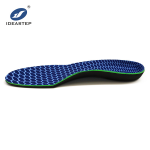
Developing plantar fasciitis insoles requires more than simply adding soft cushioning materials. The overall performance of an insole depends on the balance between support structure, pressure distribution, material selection, and footwear compatibility.
The good shoe insoles for plantar fasciitis are designed to provide a stable and comfortable foundation inside the shoe. For foot care brands, footwear companies, and distributors, creating effective insole products requires a combination of design experience and manufacturing capability.
A well-developed insole should consider different user needs while maintaining consistent quality for large-scale production.
Key Design Features of Plantar Fasciitis Insoles
Arch Support and Pressure Distribution
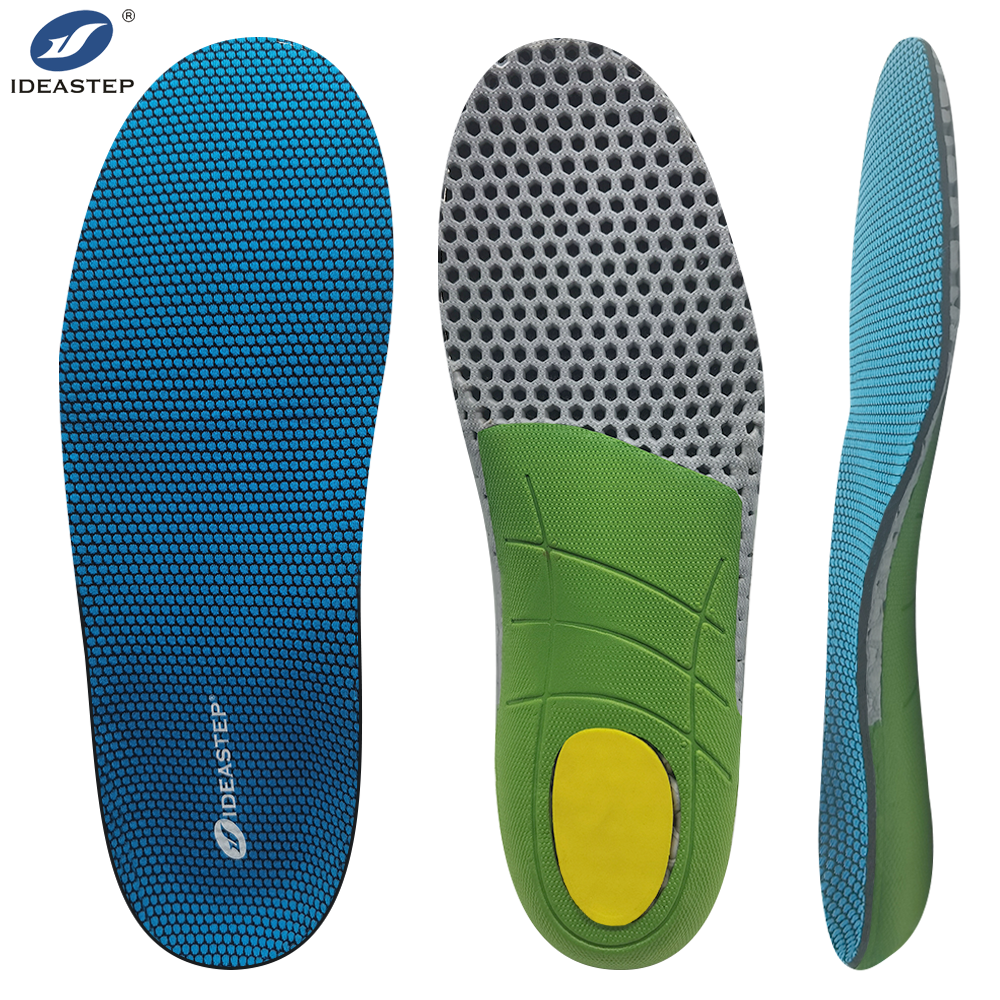
Arch support is one of the most important elements in plantar fasciitis insole development.
A properly designed support structure helps create better contact between the foot and the insole while maintaining comfort during daily activities.
Key design factors include:
- Anatomical arch contour
- Different support levels
- Balanced pressure distribution
- Smooth transition between support and flexibility
For manufacturers, the challenge is finding the right balance. Excessive rigidity may reduce comfort, while insufficient support may affect product performance.
Heel Cushioning and Impact Control
The heel area experiences repeated impact during walking and running, making cushioning design an important part of plantar fasciitis insole development.
Common structural solutions include:
- Shock-absorbing foam layers
- Reinforced heel areas
- Multi-density cushioning systems
- Deep heel cup designs
A well-designed heel structure should provide impact protection while maintaining stability inside the footwear.
Material Selection for Plantar Fasciitis Insoles
Material selection directly affects comfort, durability, and product positioning.
Different materials can be combined according to the target market and application requirements.
EVA Foam
EVA is widely used in plantar fasciitis insoles because of its lightweight properties and flexible cushioning performance.
By adjusting EVA density and hardness, manufacturers can develop different levels of support and comfort for various footwear applications.
PU Foam
PU foam is commonly selected for products requiring better resilience and longer-lasting cushioning.
It is often used in premium foot care products where durability and wearing comfort are important considerations.
Gel and Composite Materials
Gel components and layered structures can be added to specific areas, such as the heel zone, to improve impact absorption.
For brands developing customized products, combining different materials provides more flexibility in achieving the desired performance.
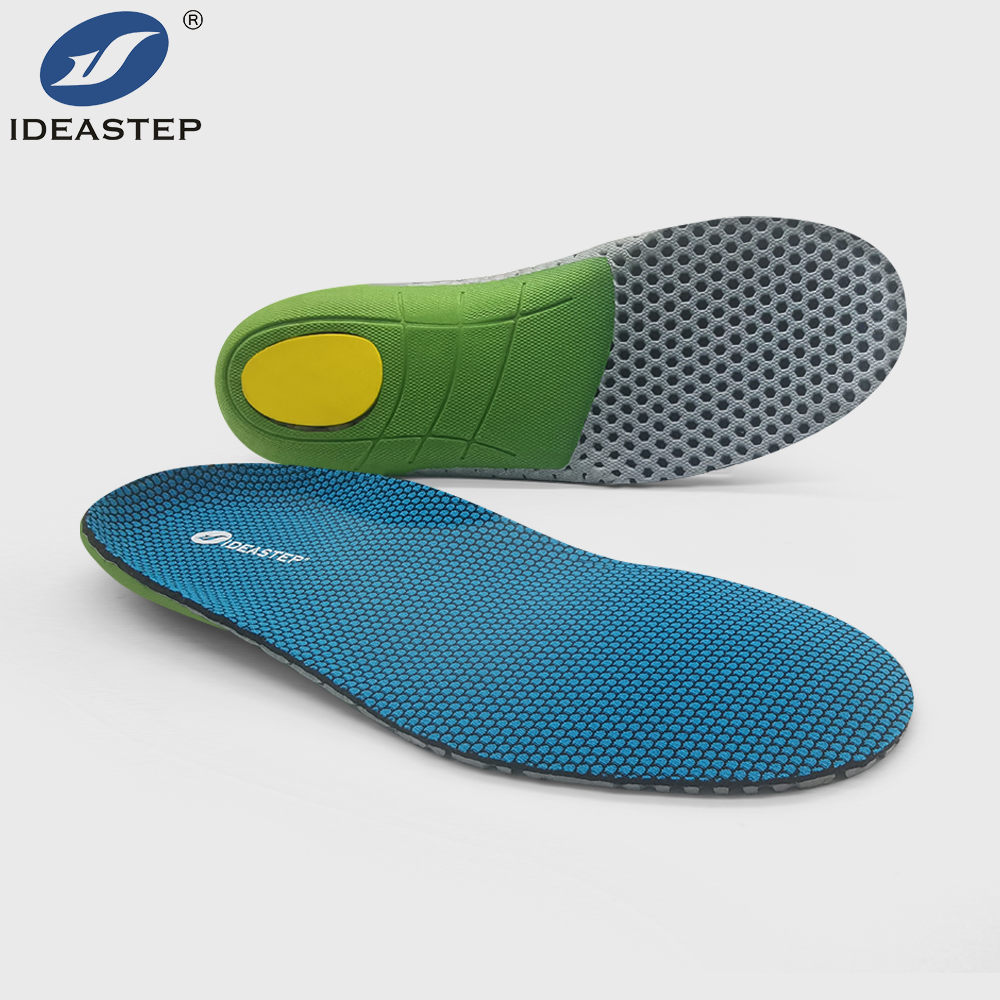
Custom Plantar Fasciitis Insoles Development for Brands
Different markets have different requirements. A medical footwear supplier, sports footwear brand, and comfort shoe company may need completely different insole designs.
Custom development allows manufacturers to adjust products based on specific application needs.
Material Customization
Manufacturers can customize:
- EVA hardness and density
- Foam combinations
- Cushioning layers
- Surface materials
These adjustments help brands create products with different comfort levels, performance characteristics, and price positioning.
Structural Customization
The internal structure of plantar fasciitis insoles can also be modified according to footwear requirements.
Common adjustments include:
- Arch support height
- Heel cushioning structure
- Overall thickness
- Support distribution
This flexibility allows companies to develop insoles that better match their target markets and footwear designs.
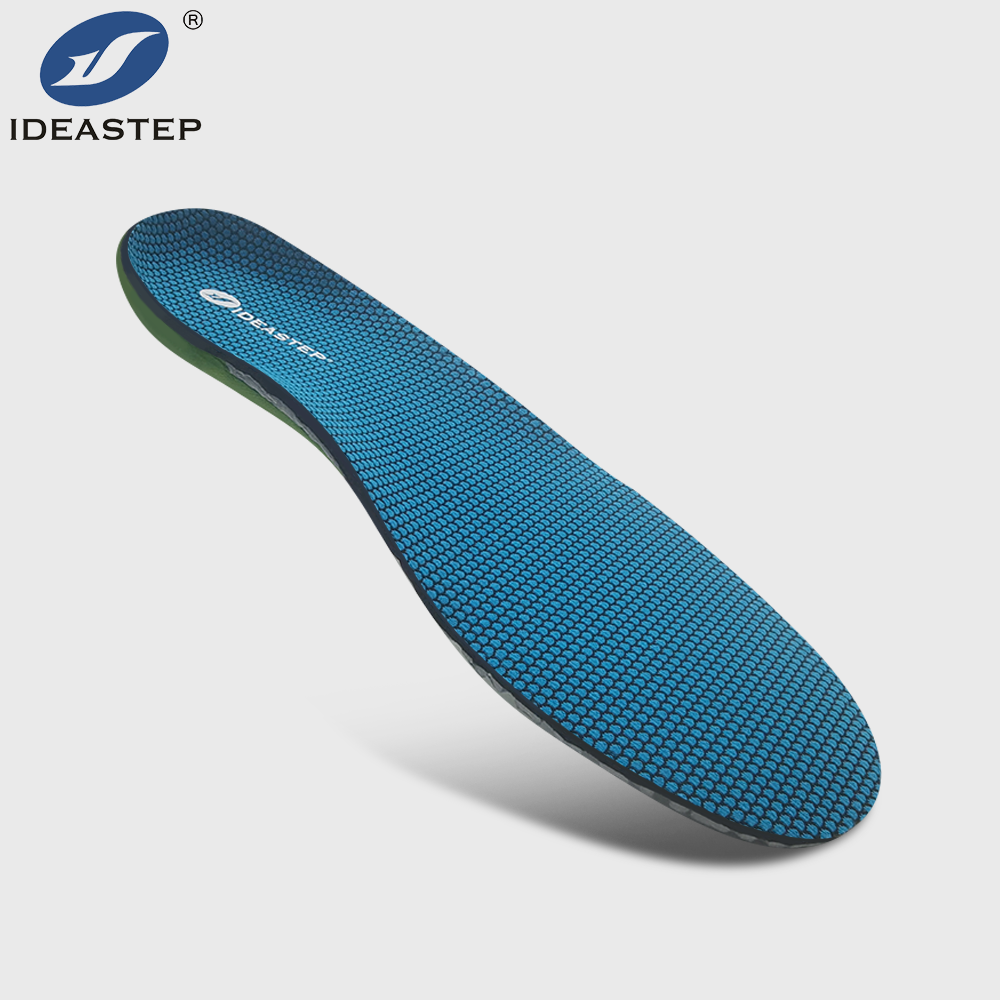
OEM Manufacturing Support for Plantar Fasciitis Insoles
For foot care brands and distributors, partnering with an experienced insole manufacturer can simplify product development from concept to production.
A capable OEM manufacturer can support:
- Product design development
- Material selection
- Prototype samples
- Structural adjustments
- Mass production
With professional manufacturing support, companies can develop customized plantar fasciitis insoles while maintaining better control over quality and production efficiency.
Choosing the Right Plantar Fasciitis Insole Manufacturer
Selecting the right supplier is an important step for brands planning to develop plantar fasciitis insoles.
Orthotic Product Experience
Manufacturers with experience in orthotic and comfort insoles can better understand how materials and structures influence product performance.
Customization Capability
Flexible development options allow brands to create products that match different markets, footwear types, and customer expectations.
Material Knowledge
Experience with EVA, PU, gel, and composite materials helps manufacturers recommend suitable solutions for different applications.
Production Consistency
Stable manufacturing processes and quality control are essential for maintaining reliable product performance during bulk production.
Creating Better Foot Support Products
The good shoe insoles for plantar fasciitis are created through the combination of proper support, suitable cushioning materials, and consistent manufacturing quality.
For foot care brands, footwear companies, and distributors, working with an experienced insole manufacturer can help transform product concepts into reliable market-ready solutions.
A well-designed plantar fasciitis insole depends on the right balance between support, comfort, durability, and production capability. For businesses developing foot care products, these factors determine long-term product value and market competitiveness.
Recommended Reading:
Magnetic Insoles for Plantar Fasciitis: Custom Foot Care Solutions for Brands
Heel Cushion Inserts for Plantar Fasciitis