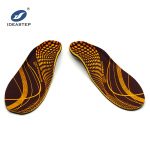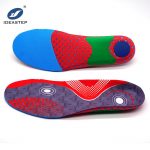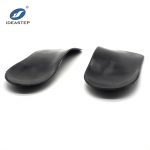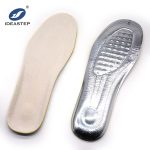
A comfortable boot is not only about the upper and outsole. The insole has a noticeable effect on how the boot feels after several hours of wear.
This is especially true for women’s boots, where space inside the shoe can be limited by a narrow toe box, raised heel, or slim construction. Memory foam insoles for women’s boots can add cushioning without requiring major changes to the footwear, but the foam needs to be matched to the boot.
A soft insole that works well in one boot may be too thick, too compressible, or simply unsuitable for another.
The Boot Should Come First
Before choosing a memory foam material, look at the boot itself.
The available space, footbed shape, heel height, and intended use all affect the insole design. A casual ankle boot may have enough room for a thicker cushioning layer, while a narrow fashion boot may require a much thinner construction.
This is why memory foam density and thickness should not be decided separately from the footwear.
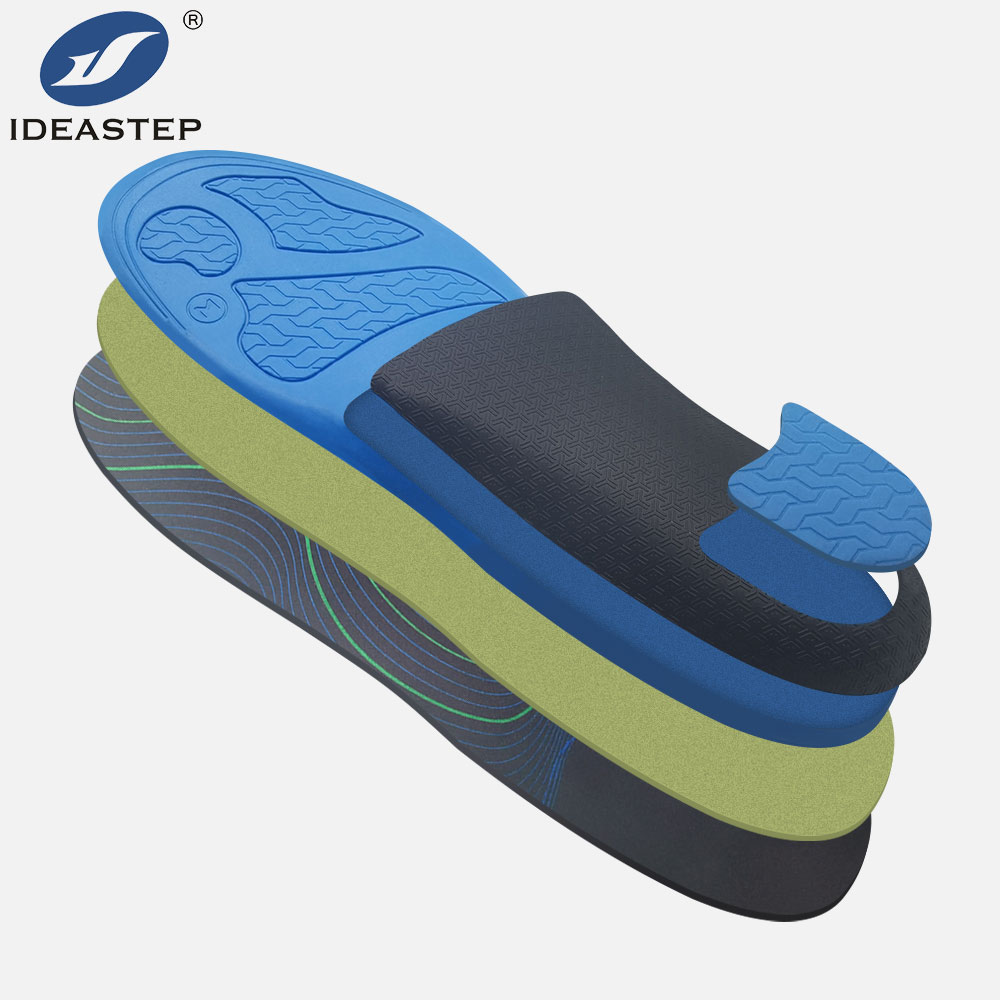
How a Memory Foam Boot Insole Is Built
Memory foam is usually only one part of the finished insole. A combination of layers can give the product a better balance between cushioning and support.
Memory Foam Layer
The memory foam provides the soft feel that many users expect from this type of insole. Different densities and thicknesses can be used depending on the product.
A softer foam may suit a comfort-focused product, while a denser construction can offer a more controlled feel underfoot.
Support Base
Too much reliance on soft foam can make an insole feel unstable.
A firmer EVA, PU, or TPU layer can be placed underneath the memory foam to give the construction more support and reduce excessive compression. The right combination depends on the boot and the intended use.
Top Cover
The top cover affects how the insole feels against the foot and also contributes to its appearance.
Common choices include breathable textile, microfiber, Micro Velvet, and moisture-control fabrics.
For boots that are worn for long periods, the surface material also needs to hold up to repeated use.
The Same Insole Does Not Fit Every Boot
Different boot designs create different requirements.
Ankle Boots
Ankle boots usually offer enough internal space for a low- or medium-profile cushioning insole.
The main concern is adding comfort without making the boot feel tighter.
Fashion and Heeled Boots
Heel height changes the way the foot sits inside the boot. Space can also be limited around the forefoot and instep.
A slimmer construction and a carefully shaped heel area often make more sense than simply adding more foam.
Riding and Tall Boots
Tall boots can have plenty of length but limited vertical space around the foot.
The insole needs to stay in place without making the boot feel tight. Cushioning and stability need to be considered together.
Casual and Work-Style Boots
These boots generally allow more flexibility in the insole design.
Depending on the product, the construction can focus more on cushioning, arch support, shock absorption, or durability.
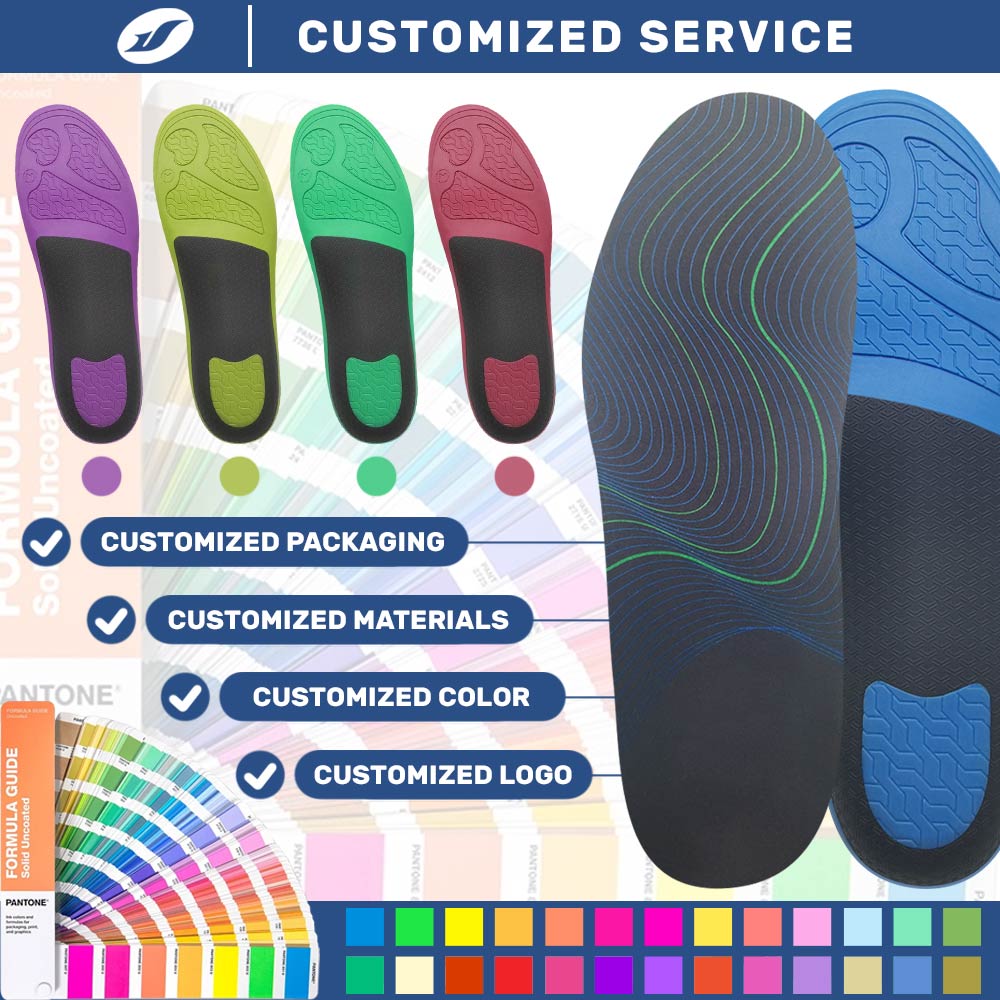
Customization for Different Product Lines
A standard memory foam insole may be enough for some applications, but brands developing a dedicated product line often need more control.
Customization can include:
- Length and width
- Thickness
- Foam density
- Support layer
- Heel structure
- Top-cover material
- Color
- Logo
- Packaging
The benefit is simple: the insole can be developed around the actual boot instead of adapting the boot to a fixed insole.
This is particularly useful when a footwear collection includes several boot styles with different internal dimensions.
OEM and ODM Options
OEM is generally used when the product specifications are already defined. The manufacturer follows the agreed requirements for dimensions, materials, construction, branding, and packaging.
ODM involves more development work from the manufacturer. A customer may start with a product idea or a target application, and the supplier can help with material selection, construction, samples, and revisions.
For a new product, this can be useful when the buyer knows what the market needs but does not have a complete in-house development process.
Samples Should Be Tested in the Actual Boot
A sample may look correct on paper and still feel wrong once it is inside the shoe.
Testing the insole in the target boot can reveal problems such as:
- Too much thickness
- Reduced toe space
- Heel movement
- Incorrect arch position
- Insufficient cushioning
- Surface or bonding issues
These are much easier to correct before mass production.
Once the sample is approved, the same specifications should be maintained during production. Foam density, thickness, dimensions, bonding, and top-cover placement can all affect the final feel of the product.
What to Look for in a Supplier
When sourcing memory foam insoles, the supplier’s manufacturing experience matters as much as the material itself.
Useful capabilities include:
- Foam material selection
- Custom insole construction
- Sample development
- OEM and ODM production
- Private labeling
- Bulk manufacturing
It is also worth asking how the supplier handles revisions. A custom project rarely reaches the final version on the first sample, particularly when the insole needs to fit a specific boot.
A Better Way to Develop the Product
Start with the footwear requirements instead of choosing the foam first.
Define the target boot, available space, cushioning level, support requirements, and target cost. The foam density, thickness, support layer, and top cover can then be selected around those conditions.
This approach usually produces a more practical product than taking a standard memory foam insert and trying to make it fit several unrelated boot styles.
For repeat production, keeping the approved sample and specifications as the reference also makes quality control easier.
Conclusion
Memory foam insoles for women’s boots are not simply a matter of adding a soft layer under the foot. The construction needs to work with the available space, heel position, support requirements, and overall design of the boot.
Memory foam can provide the cushioning, while a firmer support layer and suitable top cover can help create a more balanced insole.
For brands and distributors developing their own boot insole products, customization, sampling, OEM, and ODM capabilities provide more flexibility than relying on a standard insert.
If you are developing memory foam insoles for women’s boots, contact our team to discuss your specifications, sample requirements, and OEM or ODM project.
Related Reading:
Extra Thick Memory Foam Insoles: Cushioning Solutions for Comfort Footwear
Are memory foam insoles good for feet?