Gel insoles are widely used in footwear where cushioning and comfort are important. For brands and wholesalers, however, product quality depends on more than the amount of gel.
The gel placement, foam structure, thickness, material combination, and footwear fit all influence the final product. The right construction should provide the required cushioning without adding unnecessary bulk, weight, or production complexity.
What Makes a Good Gel Insole?
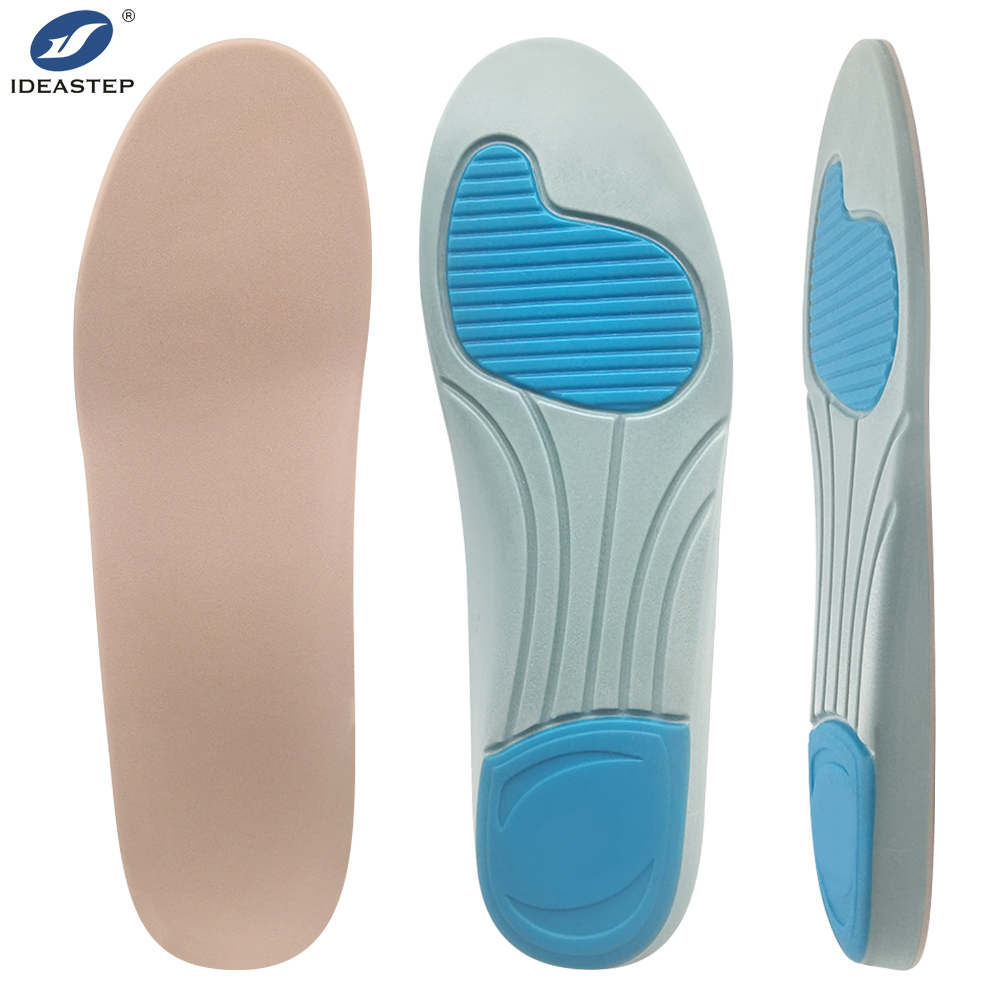
Gel works best as part of a complete insole structure rather than as the only cushioning material.
Key factors include:
- Gel placement
- Foam density and hardness
- Cushioning level
- Insole thickness
- Flexibility
- Structural support
- Durability
- Shoe compatibility
More gel does not necessarily mean better performance. Targeted gel placement can provide cushioning while keeping the insole lighter and easier to manufacture.
Gel Placement and Insole Design
Heel Gel
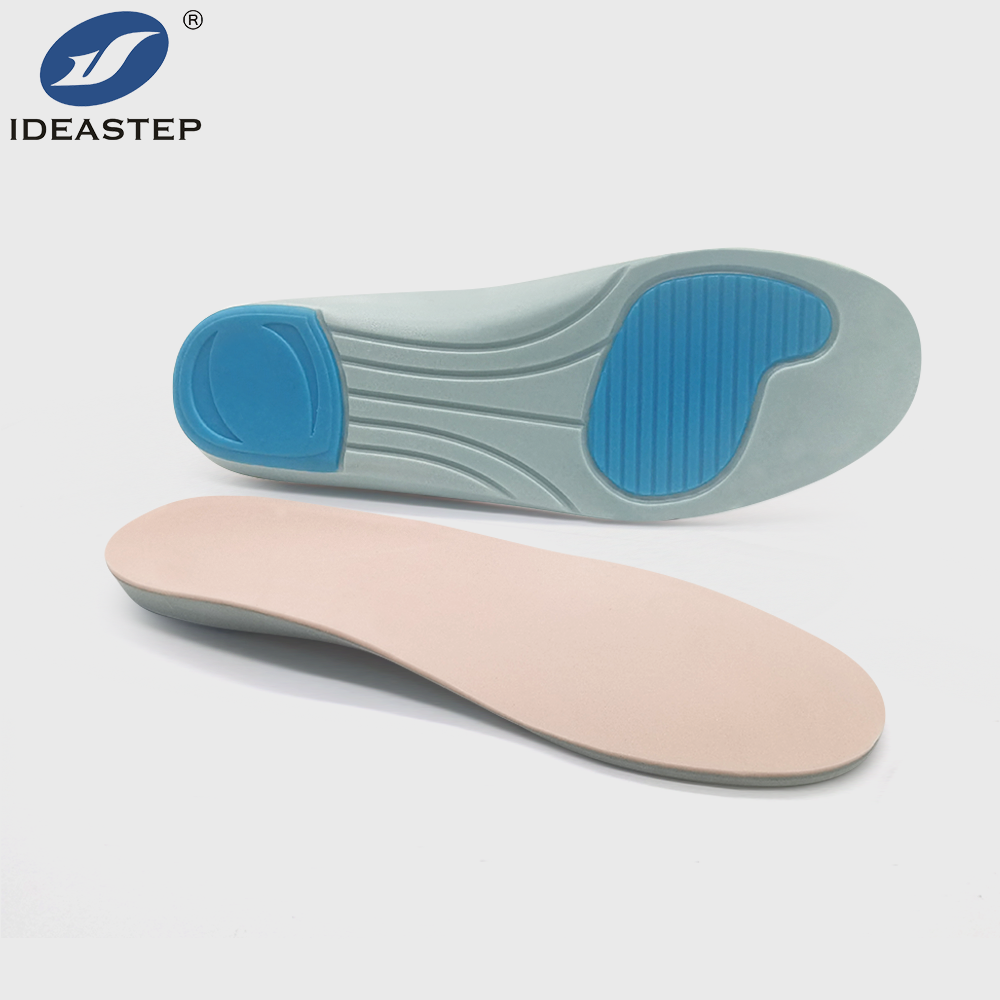
Heel gel adds cushioning in the rearfoot area and can be integrated into an EVA or PU base. It is suitable for many walking, casual, and work footwear applications.
Forefoot Gel
Forefoot gel focuses cushioning around the ball of the foot. Combining it with foam can create targeted cushioning without making the entire insole overly soft.
Full-Length Gel
Full-length gel provides broader cushioning but requires greater attention to thickness, weight, flexibility, and cost. For wholesale products, targeted gel designs may offer a more practical balance.
Materials Used in Gel Insoles
| Material | Typical Function |
|---|---|
| Gel | Targeted cushioning |
| EVA Foam | Lightweight cushioning and base structure |
| PU Foam | Soft, resilient cushioning |
| TPU | Structural reinforcement |
| PORON | Localized cushioning |
| Microfiber | Durable top cover |
| Breathable Fabric | Surface comfort |
EVA provides a lightweight base, while PU offers a softer and more resilient feel. TPU can be added when additional structural support is required.
The final material combination should match the footwear, target market, and cost requirements.
Gel Insoles for Different Footwear
Running and Sports Shoes
Lightweight foam with strategically placed gel can provide cushioning without excessive bulk. Flexibility and overall thickness should be matched to the shoe.
Walking and Casual Shoes
A balanced combination of foam and heel or forefoot gel can provide everyday cushioning without making the insole excessively soft.
Work and Safety Shoes
Durability and compression resistance become more important. Buyers should consider foam recovery, gel durability, bonding quality, and dimensional stability.
Boots
Boots generally provide more internal space, allowing greater flexibility in construction. Thickness and heel height should still match the footwear.
OEM and Private Label Options
For footwear brands, gel insoles can be customized according to product requirements.
Common options include:
- Gel position and size
- EVA or PU density
- Overall thickness
- Arch support profile
- Heel cup structure
- Top cover material
- Logo and color
- Size range
- Packaging
It is generally more efficient to confirm the functional structure first and finalize branding and packaging after sample approval.
From Sample to Mass Production
A practical development process can reduce unnecessary revisions.
1. Define the Product
Confirm footwear type, target users, cushioning requirements, available shoe space, and target price.
2. Develop the Construction
Select the foam base, gel location, support components, top cover, and thickness.
3. Test the Prototype
Check fit, cushioning, flexibility, gel positioning, thickness, bonding, and surface finish.
4. Confirm Production Specifications
Finalize material properties, dimensions, tolerances, packaging, and quality requirements before mass production.
What Wholesalers Should Check
Before placing a larger order, buyers should evaluate:
Material consistency: Are foam and gel properties stable between batches?
Construction quality: Is the gel securely bonded and consistently positioned?
Footwear compatibility: Does the thickness work with the intended shoe?
Customization capability: Can the supplier adjust materials, dimensions, branding, and packaging?
Production reliability: Can the same specifications be maintained as order volumes increase?
Choosing a Gel Insole Manufacturer
For B2B buyers, production capacity is only part of supplier selection. Look for experience in:
- EVA and PU foam processing
- Gel insole development
- Multi-layer construction
- OEM and private-label production
- Prototype development
- Quality inspection
- Volume production
A supplier that can support both product development and mass production can simplify communication and help maintain consistent quality.
Conclusion
The best gel insoles for shoes are not simply those with the most gel. Performance depends on how the gel works with the foam, support structure, surface materials, and footwear.
For wholesalers and footwear brands, the best approach is to develop the construction around the target shoe and application, then adjust gel placement, materials, thickness, and support according to performance and cost requirements.
The goal is a commercially practical product that balances cushioning, fit, durability, consistency, and cost.
Related Reading:
Silicone Gel Insoles for Shoes: Custom Cushioning Solutions for Footwear Brands