Introduction
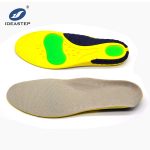
Comfort is always the most decisive selling point for finished shoes, making insoles one of the most critical components in footwear manufacturing. For wholesale buyers and shoe factory procurement teams, insole padded and EVA has become the most reliable and widely used insole solution on the current market. It solves the common drawbacks of traditional single-layer insoles, delivering soft padded comfort while maintaining stable EVA structural support.
Many wholesale buyers mistakenly believe that all padded EVA insoles perform the same. In reality, differences in EVA density, padding thickness, surface fabric and lamination quality can completely change the comfort level, durability and market performance of finished footwear. This practical material guide shares real sourcing experience to help footwear wholesalers select qualified insole padded and EVA products that truly match their shoe positioning and target customer groups.
Why Padded EVA Insoles Lead Wholesale Footwear Markets
Standard insoles often fall into two extremes: hard supportive boards that feel stiff for long-time wear, or thin soft foam inserts that flatten easily after daily use. Neither option meets modern consumer demands for long-lasting comfort and stable foot support.
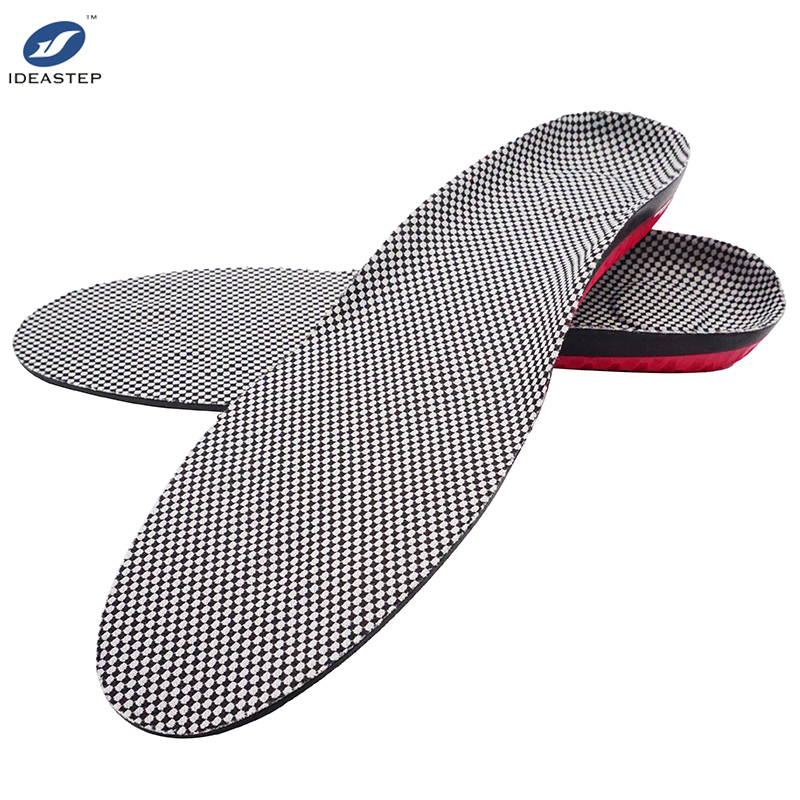
The composite insole padded and EVA design perfectly balances both worlds. The EVA base layer provides lightweight shock absorption, consistent shaping performance and long-term deformation resistance. Meanwhile, the soft padded top layer improves foot contact comfort, relieves walking pressure and prevents fatigue during extended standing or movement. This dual-material structure is highly production-friendly, compatible with most shoe types, and ideal for large-scale wholesale manufacturing.
Key Material Specifications for Selecting Quality Padded EVA Insoles
When sourcing in bulk, thickness and softness alone cannot define quality. To stabilize finished shoe quality and reduce after-sales issues, buyers need to evaluate the following core material indicators.
EVA Substrate Density Matching
EVA density directly controls support performance and durability. Low-density EVA offers superior softness but compresses easily, while high-density EVA delivers firm support with slightly firmer foot feel. Professional insole padded and EVA products use graded density matching based on shoe style.
Medium-density EVA works best for daily casual shoes and general sneakers, offering balanced comfort and support. High-density EVA suits work shoes and functional footwear that requires pressure resistance and stability. Low-density EVA is reserved for lightweight fashion shoes that prioritize soft touch and flexibility.
Optimized Padded Layer Thickness and Uniformity
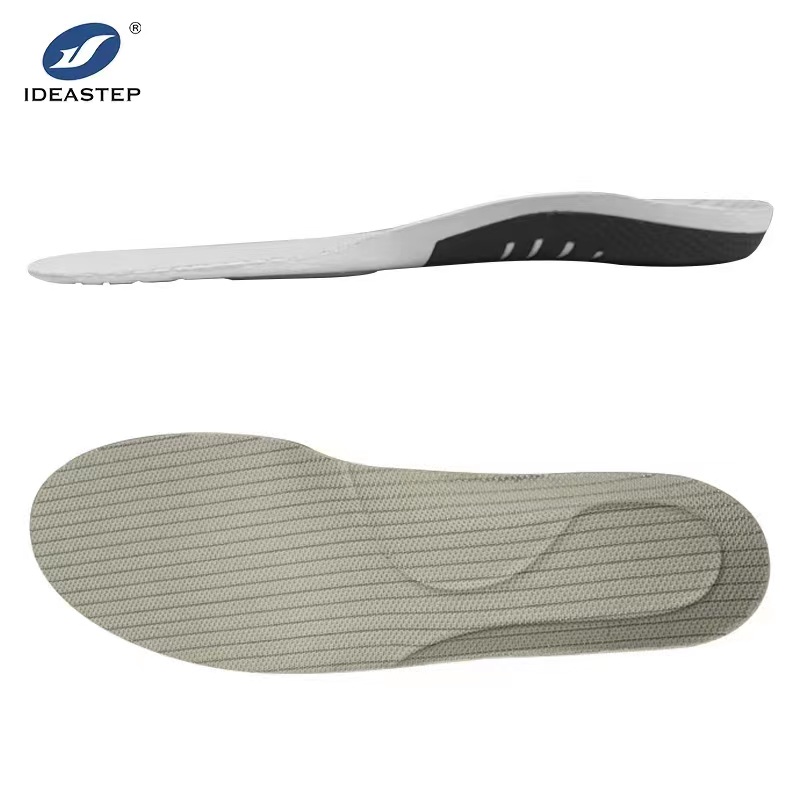
The padded layer determines the insole’s overall wearing comfort. Well-designed padded EVA insoles feature zone-thickened cushioning, with extra padding on the heel and arch to absorb impact, while keeping the forefoot slim and flexible for natural foot movement.
Quality wholesale insoles maintain even padding density without hollow areas, uneven softness or bulging surfaces. This consistent structure ensures all-day comfort without squeezing the shoe cavity or affecting shoe fitting.
Strong Integrated Lamination Quality
Delamination is one of the most common defects in low-grade padded EVA insoles. Poor bonding causes the padding layer to separate from the EVA base after bending, washing or daily friction, leading to defective products and customer complaints.
Premium insole padded and EVA adopts high-temperature integrated compound technology. The padding and EVA base bond tightly without bubbles, gaps or edge peeling. The finished insoles remain stable throughout repeated use and regular cleaning, maintaining consistent performance over time.
Breathable and Skin-Friendly Padding Surface
Soft padding should not equal stuffy wear. Top wholesale-grade padded EVA insoles use breathable, sweat-wicking surface fabrics that improve air circulation inside the shoe. This effectively reduces heat buildup, minimizes sweat accumulation and prevents foot odor during long-hour closed wear.
High-quality padding materials are hypoallergenic, anti-pilling and wear-resistant, delivering cleaner touch and longer service life for everyday footwear.
Excellent Compression Recovery Performance
Durability is a key advantage of professional insole padded and EVA. Low-cost insoles quickly lose elasticity and become permanently flat after continuous pressure. In contrast, qualified padded EVA insoles feature stable rebound performance, recovering their original thickness and cushioning after repeated compression.
This long-term resilience ensures consistent comfort throughout the insole’s lifespan, greatly lowering return rates and improving end-user satisfaction.
Reliable Batch Consistency
For mass footwear production, batch stability is essential. Minor variations in EVA hardness, padding thickness and overall size can result in uneven finished shoe quality.
Trusted suppliers maintain standardized production parameters to ensure every batch of insole padded and EVA features uniform thickness, softness and bonding quality, supporting stable assembly line production for wholesale footwear brands.
Ideal Applications for Padded EVA Insoles
Thanks to their flexible material properties and versatile design, padded EVA insoles fit nearly all mainstream footwear categories:
- Daily casual shoes for improved walking comfort
- Lightweight sneakers for shock absorption and fatigue relief
- Business casual shoes requiring neat shaping and soft foot feel
- Light-duty work shoes for prolonged standing scenarios
Wholesale Customization for Brand Differentiation
Professional manufacturers offer full customization for insole padded and EVA. Wholesale buyers can adjust EVA hardness, padding thickness, surface texture, color and overall size according to product positioning. Custom logo printing and personalized packaging help brands create unique market competitiveness in homogeneous product lines.
Low-MOQ sample orders allow pre-production testing, helping buyers avoid batch risks and ensure market-ready quality before large-scale procurement.
Typical Sourcing Pitfalls to Avoid
Many wholesale buyers focus only on low unit price or ultra-thick padding, ignoring core material matching. Overly thick padding causes cramped shoe space; unbalanced EVA density leads to poor support or rapid deformation; weak lamination results in high defective rates.
Smart sourcing focuses on comprehensive performance, including support balance, wearing adaptability and long-term durability, rather than superficial thickness.
Conclusion
Insole padded and EVA remains the most balanced, cost-effective and versatile insole solution for modern footwear wholesale. By combining soft padded cushioning and stable EVA support, it satisfies diverse consumer comfort demands while maintaining reliable production stability. For wholesale buyers, precise material matching, strict craftsmanship inspection and stable batch quality control are the keys to upgrading finished shoe quality and strengthening long-term market competitiveness.
Contact our team for verified samples and customized bulk quotations for padded EVA insoles.
Related Solutions: Top padded insoles for business for Shoemaker.