Jumping creates repeated loading on the heel, forefoot, and midfoot. For footwear brands and distributors, the right insole needs more than a soft feel. Foam selection, thickness, construction, and durability all affect how the insole performs during repeated movement.
When sourcing foam insoles for jumping, wholesale buyers should evaluate the complete insole construction rather than focusing on a single material specification. The following criteria can help when comparing products and suppliers.
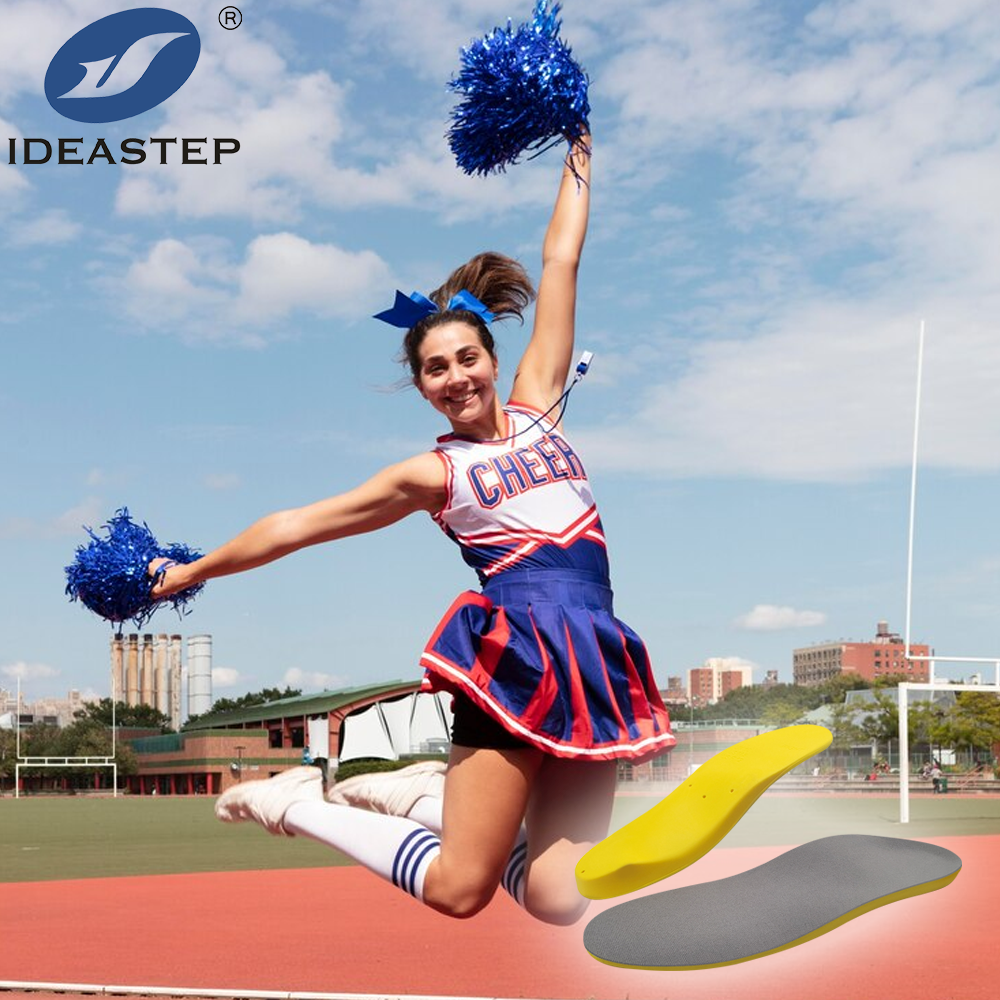
What to Look for in Foam Insoles for Jumping
A jumping insole should balance cushioning, resilience, flexibility, and stability. Key factors include:
- Cushioning performance
- Compression recovery
- Foam resilience
- Flexibility
- Structural stability
- Bonding strength between layers
The right combination depends on the footwear. Training shoes, court shoes, and other sports footwear may require different foam constructions.
Choosing the Right Foam Material
EVA Foam
EVA is commonly used in sports insoles because it is lightweight and available in a wide range of densities and hardness levels.
Depending on the formulation and construction, EVA can serve as a cushioning or support layer. Buyers should compare:
- Density
- Hardness
- Thickness
- Rebound
- Compression set
- Weight
These specifications should be evaluated together with the finished insole structure.
PU and Viscoelastic Foam
PU foam is often used when a softer cushioning feel is required. Viscoelastic foam can provide a softer, pressure-responsive feel and is commonly used in comfort-oriented insole designs.
For sports applications, foam recovery and structural stability should be considered alongside cushioning.
Multi-Layer Construction
Combining different materials can provide a better balance of properties than relying on one foam alone.
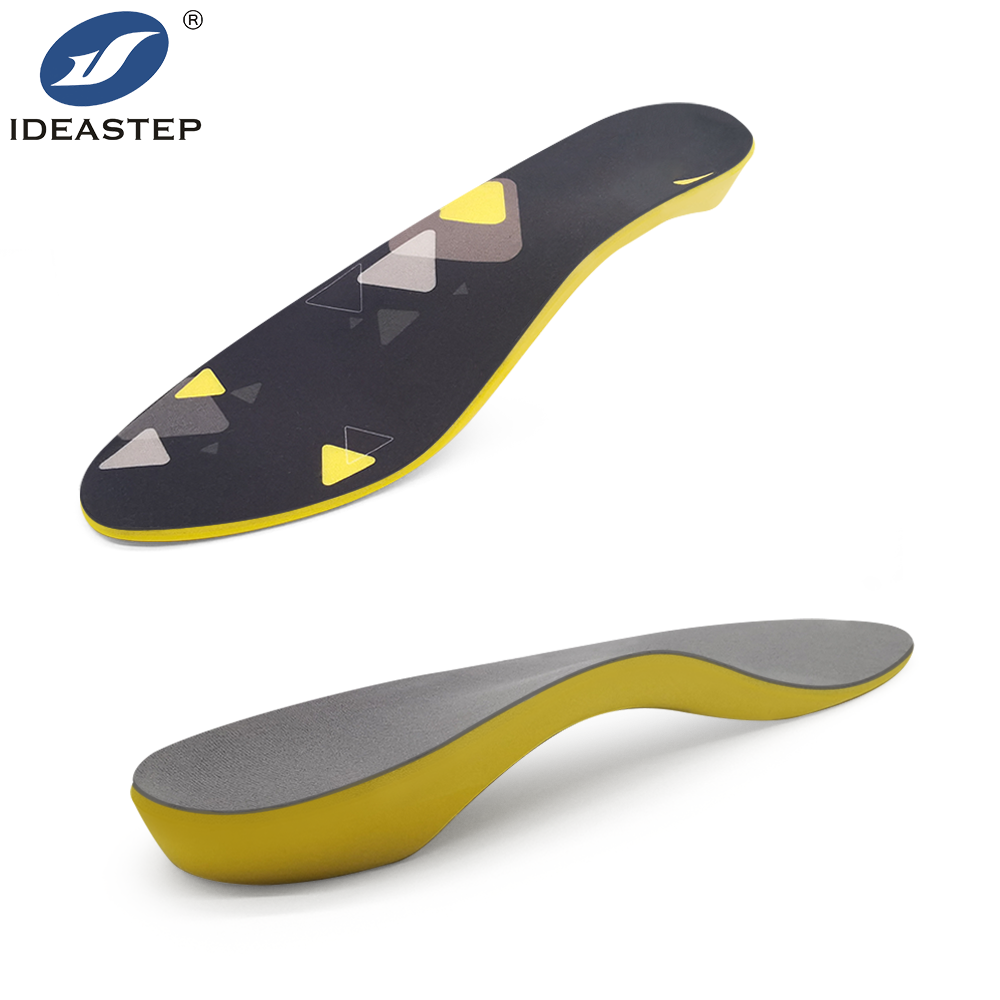
A typical structure may include:
Top Cover → Cushioning Foam → Support Layer
Material type, thickness, and hardness can be adjusted according to the footwear and target market.
Insole Thickness and Density
A thicker insole does not necessarily provide better cushioning. Increasing thickness can also affect shoe volume, foot position, weight, and stability.
Foam density influences how the material responds under load. For this reason, buyers should evaluate density and thickness together.
For wholesale production, consistent thickness, dimensions, and material specifications are essential from batch to batch.
Heel and Forefoot Design
The heel and forefoot can require different construction depending on the footwear and intended use.
Heel Area
The heel section may use additional cushioning or a modified structure to handle repeated loading.
Common options include:
- Heel cushioning pads
- Additional foam layers
- Deeper heel areas
- Reinforced heel structures
Forefoot Area
The forefoot needs cushioning without making the insole unnecessarily stiff.
Manufacturers can adjust:
- Foam thickness
- Hardness
- Forefoot cushioning
- Base-layer flexibility
These adjustments are useful for private label projects where the insole must match a specific shoe construction.
Durability Testing Before Bulk Orders
Short-term comfort does not indicate how an insole will perform after repeated use.
Before bulk production, buyers should discuss suitable testing requirements with the manufacturer. Depending on the application, these may include:
- Compression recovery
- Flexing resistance
- Bonding strength
- Dimensional consistency
- Thickness tolerance
- Surface wear
For custom projects, testing the complete finished construction is more useful than evaluating the foam material alone.
Fit and Shoe Compatibility
The insole must match the footwear last and available internal space.
Before production, confirm:
- Size range
- Length and width
- Heel-to-toe thickness
- Heel cup dimensions
- Overall shoe volume
- Compatibility with the shoe last
For custom projects, the manufacturer should be able to adjust the insole shape and dimensions according to the footwear requirements.
What to Ask a Foam Insole Manufacturer
Before placing a wholesale order, buyers should confirm four areas.
Material Specifications
Ask for the:
- Foam type
- Density
- Hardness
- Thickness options
- Available material combinations
Product Development
Confirm whether the supplier supports:
- Custom shapes
- Material changes
- Logo application
- Color options
- Custom packaging
- Sample development
Quality Control
Ask how the supplier manages:
- Incoming material inspection
- Production inspection
- Finished product inspection
- Batch consistency
Production Capacity
For ongoing orders, confirm:
- MOQ
- Sample lead time
- Production lead time
- Production capacity
- Packaging options
Clear specifications during sampling help reduce inconsistencies when moving to bulk production.
OEM and Private Label Options
For footwear brands developing their own sports products, standard insoles may not provide enough flexibility.
An experienced OEM/ODM manufacturer can adjust the insole according to the shoe design and product requirements. Options may include:
- Custom foam combinations
- Customized thickness
- Modified support structures
- Logo printing
- Custom top fabrics
- Retail packaging
A typical development process is:
Design Requirements → Prototype → Sample Evaluation → Approval → Bulk Production
This gives buyers an opportunity to confirm the construction before committing to a larger order.
How to Compare Foam Insole Suppliers
Price should be considered alongside material quality, manufacturing capability, and supply reliability.
| Criteria | What to Check |
|---|---|
| Material | Foam type, density, hardness, and consistency |
| Construction | Layer structure and support design |
| Durability | Compression, flexing, and bonding tests |
| Customization | OEM, ODM, logo, packaging, and material options |
| Quality Control | Inspection procedures and batch consistency |
| Production | MOQ, capacity, and lead time |
| Development | Sample and prototype support |
For repeat wholesale and private label orders, the ability to maintain consistent specifications from sample to mass production is particularly important.
Final Considerations
Sourcing foam insoles for jumping is not simply a matter of choosing a soft foam. Buyers should assess the complete construction, including material properties, thickness, density, heel and forefoot design, durability, and shoe compatibility.
For wholesale and private label projects, supplier capability matters just as much. Consistent production, flexible customization, reliable quality control, and responsive sample development can make the transition from prototype to bulk order much smoother.
Defining these requirements before sourcing gives buyers a clearer basis for comparing suppliers and developing the right insole for their footwear line.
Related product links: https://www.aideastep.com/product/ideastep-xa-6075-wholesale-nylon-cup-in-pu-insoles-with-foam-middle-layer-and-velvet-fabric-for-enhanced-comfort/.