Patient satisfaction with custom orthotics depends on more than the device itself. Fit, comfort, footwear compatibility, communication, and follow-up all influence whether a patient continues to use an orthotic in daily life.
For clinics, the process therefore starts before the orthotic is produced. A clear assessment, appropriate design, careful fitting, and follow-up provide a better basis for evaluating the final device.
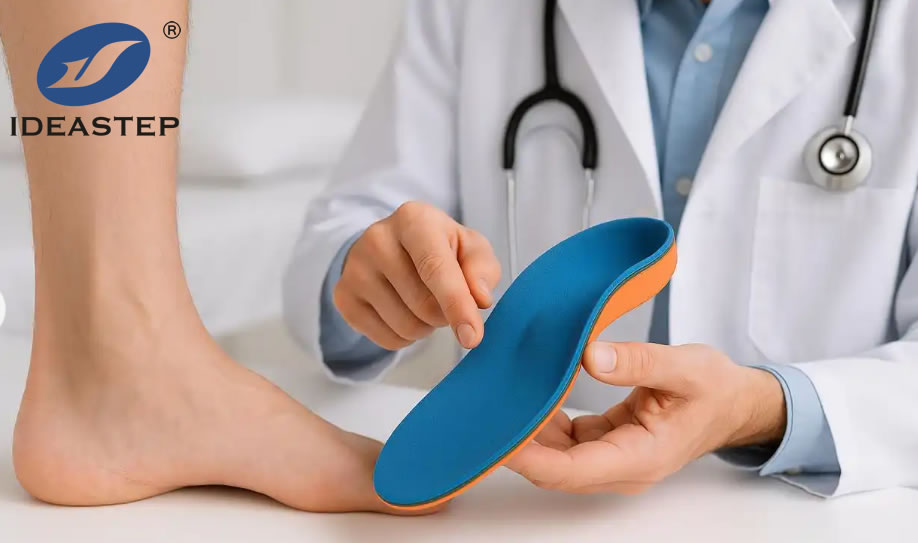
1. Start With the Patient’s Daily Needs
A custom orthotic should be designed around the patient’s actual use rather than a standard specification.
During the initial assessment, clinics can consider:
- The patient’s usual footwear
- Daily standing and walking time
- Activity level
- Previous orthotic experience
- Areas of discomfort
- Expected use of the new device
Footwear is particularly important. An orthotic designed for a spacious walking shoe may not work equally well in a dress shoe with limited internal volume. Thickness, heel cup depth, and overall geometry may need to change according to the shoe.
2. Match the Structure to the Foot and Shoe
Customizing an orthotic is not simply a matter of reproducing the shape of the foot. The structure needs to balance support, flexibility, thickness, and available shoe space.
Arch Support
The arch contour should match the intended support profile and the patient’s foot characteristics. Height, width, position, and the material beneath the arch all affect how the device feels.
Heel Cup
The heel cup should provide the intended level of containment without taking up unnecessary space inside the shoe. Its depth and shape should be considered together with the footwear.
Forefoot
The forefoot usually needs a balance between structure and flexibility. Making the entire device rigid is not necessarily appropriate for everyday walking.
3. Select Materials for the Complete Construction
Material selection should follow the design requirements. Different materials contribute different properties, so a custom orthotic often uses more than one material.
- EVA: Commonly used for lightweight cushioning and shaping.
- TPU: Suitable for more structured support components.
- PU and memory foam: Used where additional cushioning is required.
- PORON and similar materials: Can be incorporated into selected cushioning zones.
- Fabric or microfiber: Used for the top cover and surface finish.
Hardness also matters. A softer material may provide more cushioning, while a firmer material can change the structural behavior of the device. The final combination should be based on the intended use rather than on the properties of one material alone.
4. Evaluate the First Sample in the Target Shoe
A prototype should be evaluated in the footwear for which it was designed. A sample that looks correct on a workbench may behave differently once placed inside the shoe.
Clinics can check:
- Overall fit and dimensions
- Arch position and contour
- Heel cup geometry
- Forefoot thickness and flexibility
- Available toe space
- Top-cover and edge comfort
- Whether the orthotic remains stable inside the shoe
This stage can reveal problems that are difficult to identify from measurements or specifications alone.
5. Use Patient Feedback to Refine the Design
The first fitting does not always provide enough information. A patient may walk comfortably for several minutes in the clinic but notice an issue after wearing the orthotic for several hours.
Feedback should therefore be specific. Instead of simply asking whether the orthotic is comfortable, clinicians can ask where the problem occurs, which shoes are being used, how long the device is worn, and whether the sensation changes during the day.
Depending on the findings, adjustments may involve the arch contour, heel cup, overall thickness, material hardness, cushioning zones, or top cover.
Changing one variable at a time also makes the effect of each modification easier to evaluate.
6. Follow Up After Delivery
Follow-up provides information that is not available during the initial fitting.
A short review can cover:
- How often the orthotic is being worn
- Which footwear is being used
- Whether any area causes discomfort
- Whether the device stays in position
- Whether the patient has difficulty incorporating it into daily use
This feedback can determine whether the orthotic is suitable as supplied or requires modification.
7. Track Satisfaction With Simple Measures
Patient feedback does not need to be complicated. Clinics can use a short questionnaire to track comfort, fit, wear time, appearance, and overall satisfaction.
Published research supports the use of patient-reported outcomes when evaluating orthotic treatment. A survey of 1,469 patients found that 73% considered their foot or ankle orthosis very or fairly helpful, while 90% were very or fairly satisfied with the service they received.
Another study of 275 patients who had used prescription custom-molded foot orthoses for at least one year reported generally high satisfaction, although individual experiences varied.
These findings do not mean that every patient will have the same experience. They show why patient feedback is useful alongside clinical assessment.
8. Customization Is Not the Only Factor
A custom device should not automatically be assumed to produce better outcomes than a prefabricated orthosis.
Evidence varies by condition and patient group. One comparative study found improvements with both custom and prefabricated orthoses, with higher mean satisfaction reported in the custom group but no significant difference in several other outcome measures.
A Cochrane review likewise found that evidence for custom-made foot orthoses differs across conditions, with benefits reported in some groups but uncertainty remaining in others.
For clinics, the practical point is straightforward: the decision to use a custom orthotic should follow the patient’s assessment and requirements, not customization for its own sake.
9. Keep Manufacturer Communication Specific
When a clinic works with an orthotic manufacturer, clear specifications make development and modification easier.
Useful information may include:
- Foot measurements or scan data
- Target footwear
- Arch profile
- Heel cup dimensions
- Overall thickness
- Material requirements
- Cushioning areas
- Top-cover specifications
- Branding and packaging requirements
When a sample is approved, these details can be documented as the production specification. Future orders can then follow the same reference, while later changes can be made against the existing design.
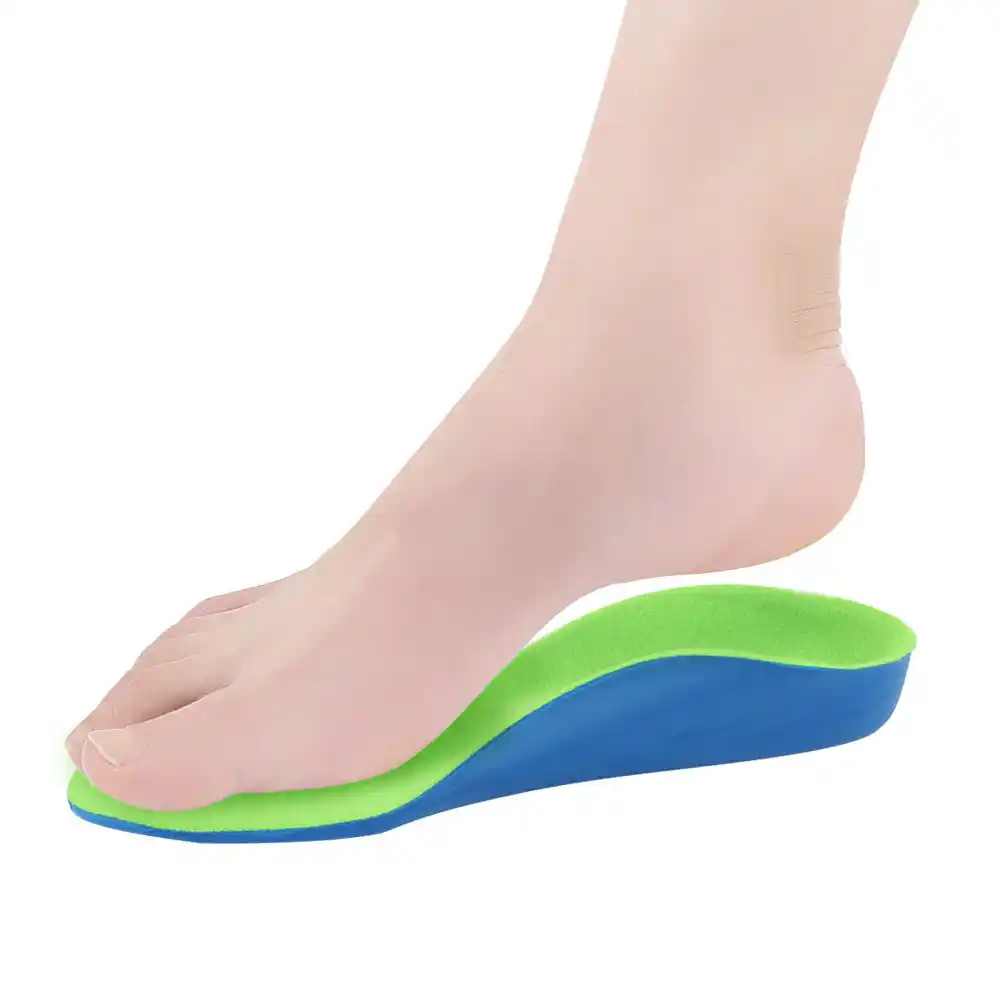
A More Consistent Approach to Custom Orthotics
Patient satisfaction is influenced by the entire process rather than a single feature of the orthotic.
A practical workflow is:
Assessment → Design → Material Selection → Fitting → Patient Feedback → Adjustment → Follow-Up
Each stage provides information for the next. This makes it easier to identify fit or comfort issues and make targeted changes instead of repeatedly redesigning the entire device.
Conclusion
Improving patient satisfaction with custom orthotics starts with understanding how the device will actually be used.
Footwear, structure, materials, fitting, patient expectations, and follow-up all need to be considered together. A well-defined development and fitting process gives clinics a clearer way to identify problems and refine the final device.
For clinics and professional buyers developing custom orthotics, Ideastep provides OEM/ODM manufacturing with options for structural design, material combinations, dimensions, top covers, branding, and packaging based on project requirements.