Medical heel wedges are angled inserts designed for use inside footwear. For wholesalers, medical supply distributors, and foot care brands, sourcing decisions depend on wedge design, material specifications, product consistency, and compatibility with the intended footwear.
For bulk orders, buyers should confirm the wedge profile, dimensions, material properties, packaging, and quality requirements before production. These specifications help manufacturers quote accurately and reduce changes during sampling.
Types of Medical Heel Wedges
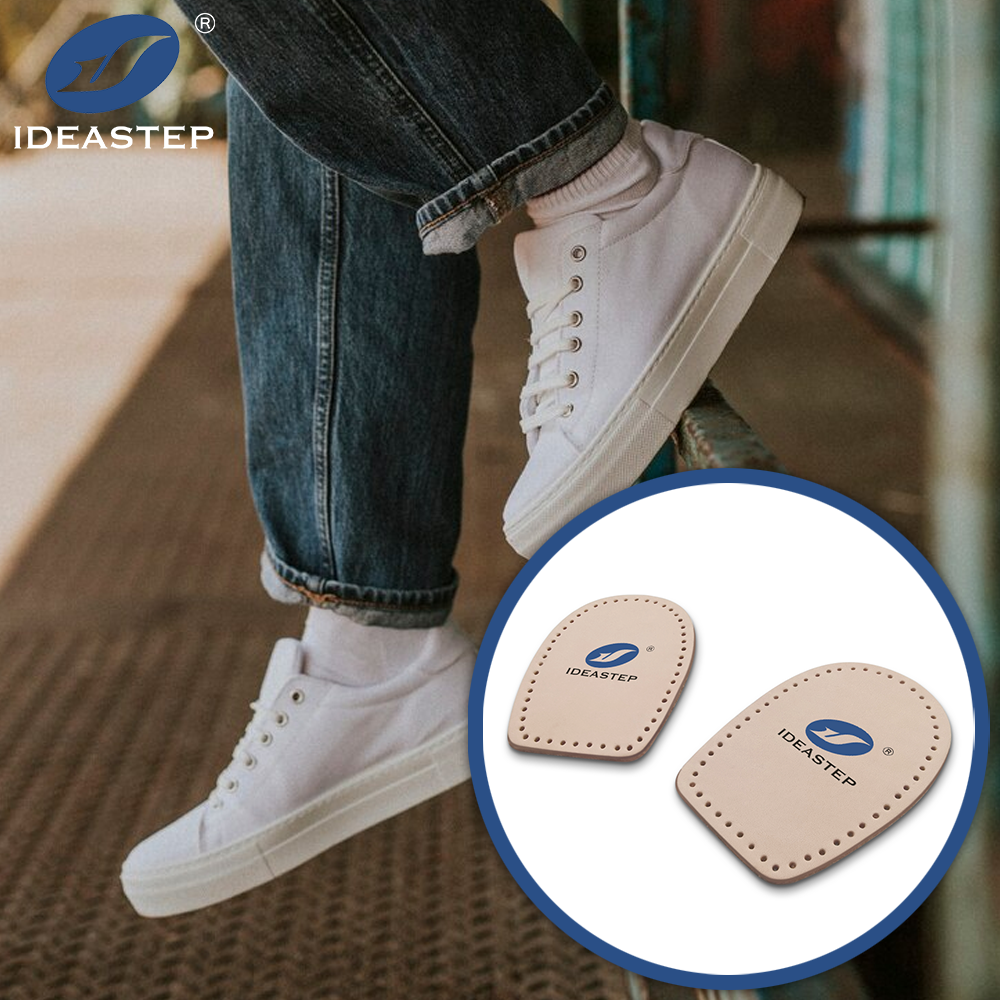
The main design differences involve wedge orientation, coverage, and construction.
- Medial heel wedges: Have a raised profile along the inner side of the heel.
- Lateral heel wedges: Have a raised profile along the outer side of the heel.
- Full-length wedges: Extend beyond the heel area to provide a longer contact surface.
- Heel-only wedges: Fit beneath the rearfoot for applications requiring a more compact design.
The required design should be defined by the product brief or technical reference. Medial and lateral wedges are not interchangeable, so orientation and intended application must be confirmed before manufacturing.
Material Selection: EVA, PU and Other Options
Material choice affects firmness, compression, weight, durability, and unit cost. Buyers should compare material grades and sample performance rather than select by material name alone.
EVA Foam
EVA foam is a practical option for heel wedges that require a lightweight structure and a defined shape. Different grades offer varying levels of hardness, density, and resilience.
For bulk sourcing, specify the required hardness, density, thickness, color, and dimensional tolerances. These details help maintain consistency across production batches.
PU Foam
PU foam may be suitable for designs that prioritize cushioning. Its performance depends on the formulation and density, so buyers should evaluate samples against the product specification.
Latex and Other Materials
Latex and other cushioning materials can be considered when their properties match the intended design. For multi-layer products, buyers should also assess bonding strength and compatibility between materials.
The material should match the product specification, target price, and intended use. A sample comparison is more useful than relying on a general claim about any single material.
Specifications to Confirm Before Ordering
Incomplete specifications can lead to quotation differences, sample revisions, and inconsistent repeat orders. Buyers should prepare the following information before requesting pricing.
| Specification | Details to Confirm |
|---|---|
| Wedge design | Medial, lateral, full-length, or heel-only |
| Dimensions | Length, width, thickness, and wedge angle |
| Material | EVA, PU, latex, or a defined combination |
| Hardness and density | Required values or acceptable ranges, where applicable |
| Surface finish | Smooth, textured, fabric-covered, or adhesive-backed |
| Size range | Individual sizes or specified dimensions |
| Branding and packaging | Logo, labels, retail packaging, or bulk packing |
| Order quantity | Sample quantity and estimated production volume |
For angled products, a technical drawing or reference sample is particularly useful. It should show the wedge direction, key thickness measurements, and overall dimensions.
OEM/ODM Manufacturing for Foot Care Brands
OEM/ODM services allow distributors and brands to source heel wedges based on existing specifications or develop products with manufacturing support.
Depending on the project, requirements may include:
- Material grade, hardness, and thickness
- Wedge angle, dimensions, and profile
- Surface finish, color, and adhesive backing
- Size options and product labeling
- Logo application and packaging
For an accurate quotation, provide the intended application, technical requirements, estimated quantity, and reference drawings or samples. The manufacturer can then assess feasibility, sampling requirements, tooling needs, and production lead time.
OEM projects typically follow the buyer’s design and specifications. ODM projects may include design development or adjustments with the manufacturer.
Sample Approval and Production Quality
Before placing a bulk order, buyers should verify that the sample matches the agreed specifications. Key inspection points include:
- Wedge angle and orientation
- Length, width, and thickness
- Material hardness and consistency
- Cutting accuracy and edge finish
- Adhesive placement and bonding, if applicable
- Color, labeling, and packaging
Once approved, the sample and specification sheet should serve as the production reference. Any changes to material, dimensions, or construction should be documented and approved before implementation.
For repeat orders, agreed inspection criteria help control variation between batches. Additional tests or documentation should be confirmed according to the product’s intended use and destination-market requirements.
Evaluating a Medical Heel Wedge Supplier
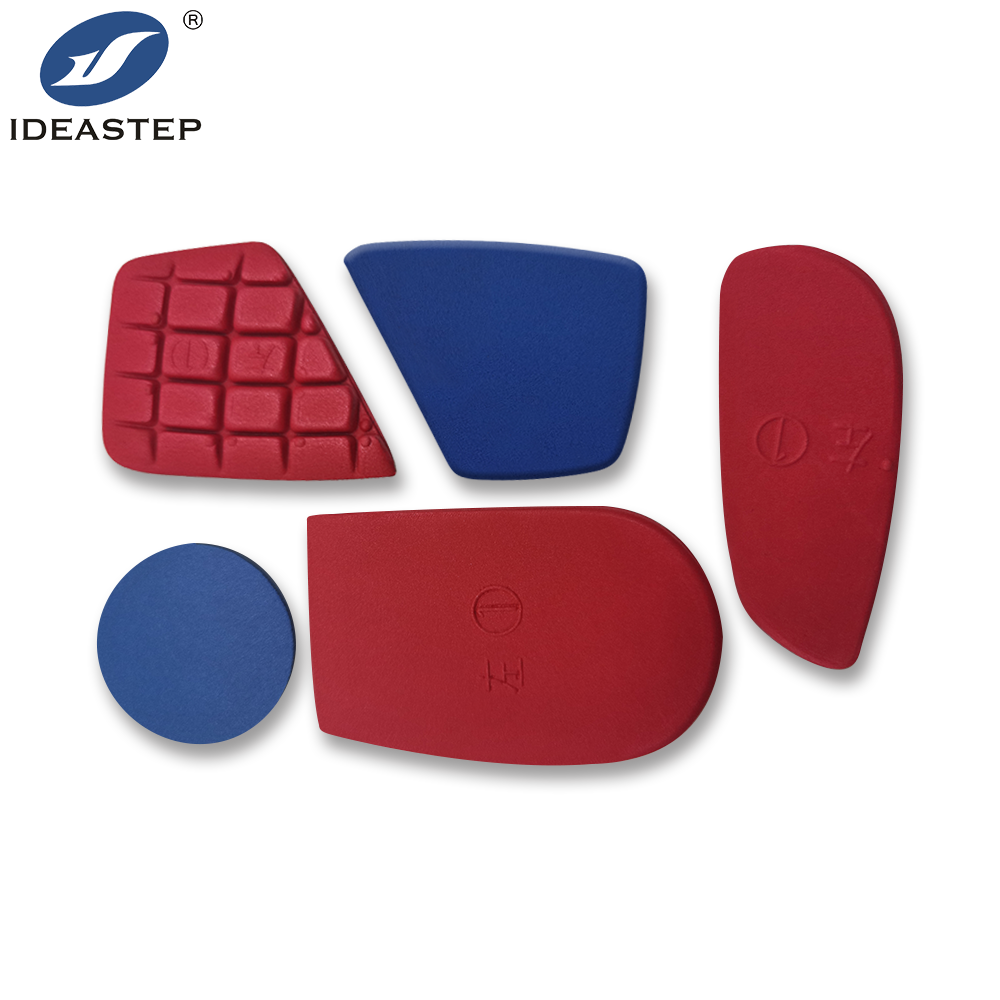
Unit price is only one factor in wholesale sourcing. Buyers should also compare production capability, specification control, sampling support, and the supplier’s ability to fulfill repeat orders.
Before confirming a supplier, check:
- Experience with foam products and shaped insole components
- Available materials and manufacturing processes
- Minimum order quantity and sample arrangements
- Production lead time and repeat-order capacity
- Quality inspection procedures
- Private-label and packaging options
Clear specifications and a documented approval process make quotations easier to compare and help reduce avoidable production issues.
Ideastep supplies insoles and EVA materials for wholesale and OEM/ODM projects. Buyers can provide their heel wedge requirements or reference samples to discuss suitable materials, product development, and bulk production options.
Frequently Asked Questions
What materials are used for medical heel wedges?
EVA foam and PU foam are common options. Latex and other materials may also be suitable, depending on the required structure, firmness, and cushioning characteristics.
Can heel wedges be produced for private-label brands?
OEM/ODM projects may include agreed dimensions, materials, colors, logos, and packaging. Minimum order quantities and available options should be confirmed for each project.
What is needed for a wholesale quotation?
Provide the wedge type, dimensions, material requirements, estimated order quantity, packaging needs, and a reference drawing or sample if available.
Why is sample approval important?
Sample approval confirms the expected design, dimensions, material, and finish before bulk production. It also establishes a reference for repeat orders and quality inspections.
Discuss Your Medical Heel Wedge Requirements
For wholesale buyers and foot care brands, the most efficient sourcing process starts with a clear product specification. Confirm the wedge profile, dimensions, material, order quantity, and packaging requirements before sampling.
Ideastep can review these requirements to help determine suitable manufacturing options for your wholesale project.
Related Articles:
Understanding Heel Wedges and Their Function
How to use heel wedges?