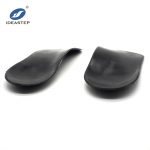
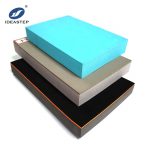
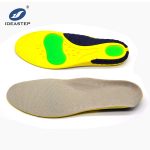
Understanding High Arch Insole Requirements
High arch insoles require a balance of arch contour, cushioning, and structural support. For footwear brands and orthotic product distributors, the goal is to develop products that fit the target footwear, meet specific performance requirements, and maintain consistent quality during mass production.
A high arch does not automatically call for a taller or harder support structure. The right design depends on the foot profile, heel positioning, cushioning needs, and available space inside the shoe.
Wholesale buyers should define these requirements early because they influence material selection, tooling costs, sample approval, and production planning.
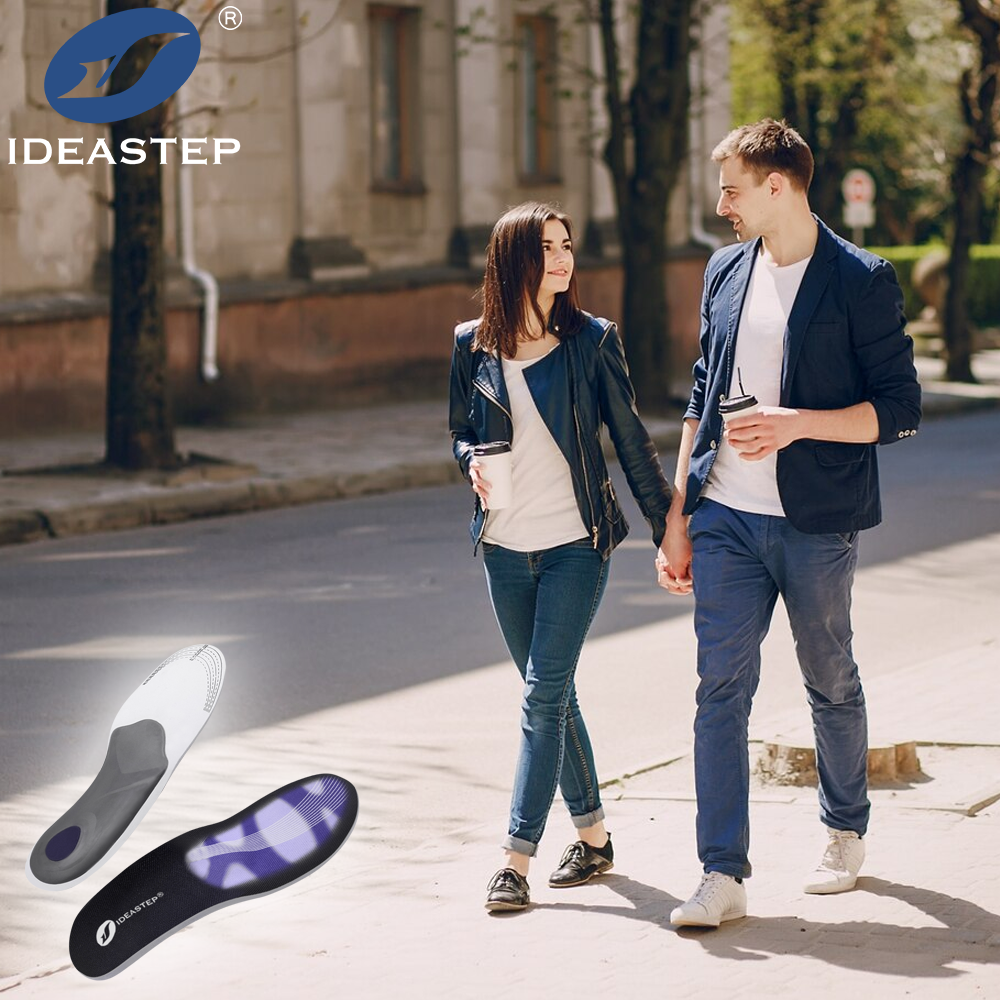
Key Design Considerations for High Arch Orthopedic Insoles
Arch Contour and Support Structure
Arch geometry plays a central role in high arch insole development. Arch height, length, position, and surface contour determine how the insole contacts the foot.
An overly pronounced arch may create localized pressure, while insufficient contact may limit the intended support. Manufacturers should assess the complete support profile instead of increasing arch height alone.
For OEM projects, buyers can provide reference samples, technical drawings, product specifications, or details about the target user group. These inputs help manufacturers establish an initial design and identify the parameters that need further evaluation.
Heel Cup and Rearfoot Fit
Heel cup depth, width, and stiffness affect how the heel sits within the insole. The design must also work with the shoe’s heel counter and internal dimensions.
A structured heel cup can help maintain heel positioning, but the geometry must suit the intended footwear. Athletic shoes, work shoes, and low-volume dress shoes often require different configurations.
During sample evaluation, check heel fit, edge height, overall thickness, and compatibility with the original sockliner. Testing the sample inside the target shoe can reveal fit issues before production begins.
Cushioning and Material Stiffness
High arch insoles often combine cushioning with a structured support component. The ideal balance depends on the product category and its intended use.
Manufacturers may use EVA or PU foam for cushioning and a firmer base or TPU component for structural support. However, hardness alone cannot determine performance. Thickness, geometry, formulation, and layer construction also affect the final result.
Before development begins, buyers should identify their main product priority, such as lightweight comfort, everyday support, or a more structured orthotic design. This information helps manufacturers recommend suitable materials and develop relevant prototypes.
Thickness and Shoe Compatibility
Insole thickness affects both fit and the available space inside a shoe. An insert that is too thick may crowd the forefoot or alter heel positioning, even when the arch profile fits the foot.
Before approving a sample, test it in the intended footwear whenever possible. Check the length, width, heel thickness, forefoot thickness, and fit across the required size range.
These checks become especially important when one design must serve several footwear categories.
Material Selection for Custom High Arch Insoles
Material selection affects support, cushioning, durability, weight, and unit cost. Buyers should evaluate each material according to the finished product’s requirements rather than rely on a single advertised benefit.
EVA Foam
EVA is widely used in insole manufacturing because it offers a lightweight construction and comes in different densities and hardness levels. Depending on the formulation and manufacturing process, producers can use it in cushioning layers, base structures, and shaped support components.
When specifying EVA, buyers should consider density, hardness, thickness, compression behavior, and shape retention. These properties influence the finished product, so manufacturers should evaluate the selected grade against the project’s requirements.
EVA can suit wholesale product lines that need a balance between weight, structure, and production cost.
PU Foam
PU foam is a common choice for cushioning-focused insole designs. Its performance varies with formulation, density, and construction.
Procurement teams should review cushioning response, compression set, durability, weight, and compatibility with other layers. A softer foam does not necessarily suit every application, so buyers should assess the material within the finished insole.
TPU Support Components
Manufacturers can use TPU for support shells and other components that require controlled stiffness and shape retention.
In high arch insoles, a TPU component can work alongside foam layers to combine structural support with cushioning. Designers should select its thickness, shape, stiffness, and position according to the product requirements.
An overly rigid or poorly positioned component may compromise comfort. Manufacturers should therefore evaluate the complete prototype before buyers approve the final specification.
Top Covers and Surface Materials
The top cover influences surface feel, appearance, abrasion resistance, and moisture management. Manufacturers can select mesh and other textile materials according to the product category and target price.
For branded wholesale products, buyers should also confirm color, logo application, edge finishing, bonding compatibility, and batch-to-batch consistency.
Selecting a Suitable Material Combination
A custom high arch insole may combine EVA, PU foam, TPU, and textile materials. The best combination depends on the intended construction rather than a fixed formula.
For example, one design may use a textile top cover, a foam cushioning layer, and a structured support component. Another may use a simpler construction to meet cost targets or fit a specific type of footwear.
The final specification should identify each material, its function, and any critical performance requirements. Clear documentation also makes supplier comparisons and repeat orders easier to manage.
OEM Customization for Wholesale Buyers
OEM development allows brands and distributors to tailor insole products to their target markets instead of relying entirely on standard catalog designs.
Custom Design and Size Range
Manufacturers can customize arch contour, heel cup geometry, overall thickness, material combinations, surface materials, and size range according to the project requirements.
Before development starts, buyers should define the target footwear, intended user group, required sizes, target price, and expected order volume. Reference products and technical drawings can help clarify the specifications.
When a project includes several models, document the differences between each version. This approach reduces confusion during sampling, quotation, and production.
Private Label and Packaging
OEM services may include logo application, product labeling, and customized packaging. Buyers should confirm artwork, logo placement, color specifications, package dimensions, and labeling information before production.
Retail and bulk-distribution packaging serve different purposes. Choose the format according to the sales channel, product positioning, and logistics requirements.
From Sampling to Mass Production
A structured development process helps buyers and manufacturers control specifications, reduce revisions, and prepare for bulk production.
1. Confirm the Product Brief
Provide the manufacturer with the intended application, target footwear, size range, preferred materials, design references, branding requirements, and estimated order quantity.
Also specify the target price and any testing or documentation requirements. These details help the manufacturer assess feasibility and prepare an accurate quotation.
2. Review and Approve Samples
The manufacturer develops a prototype based on the agreed requirements. Buyers should assess arch alignment, heel fit, thickness, cushioning, material feel, workmanship, and compatibility with the intended footwear.
When a sample needs revision, describe the required changes as precisely as possible. For example, identify the area that needs a thickness adjustment or specify which material property requires further evaluation.
Record each revision and its outcome. This gives both parties a clear reference when they approve the final sample.
3. Finalize Product Specifications
Before bulk production, buyers and manufacturers should confirm materials, dimensions, tolerances, construction, colors, logo placement, packaging, and inspection criteria.
A physical sample provides a useful reference, but written specifications define the requirements more precisely. These records become especially important when a product covers multiple sizes or requires regular replenishment.
4. Control Production and Delivery
Manufacturers should follow the approved specifications throughout production. Depending on the product, quality checks may cover incoming materials, dimensions, hardness, bonding, surface defects, assembly, and packaging.
Buyers should agree on inspection methods and acceptance criteria before production starts. For repeat orders, manufacturers should follow the approved specifications and document any authorized changes.
Quality Control for Wholesale Insole Orders
Buyers should define quality requirements before placing the first purchase order. A consistent inspection process helps them compare bulk production with approved samples and manage repeat orders.
Dimensional and Material Checks
Inspectors may check length, width, thickness, arch profile, heel cup dimensions, material hardness, and visual appearance. The inspection plan should reflect the product design and its critical specifications.
Buyers should agree on acceptable tolerances with the manufacturer instead of relying on broad descriptions such as “high quality” or “consistent materials.”
Performance and Durability Testing
Depending on the material and intended application, manufacturers may conduct tests for compression behavior, compression set, rebound, flex resistance, abrasion, or bonding strength.
Not every insole requires every test. Buyers should select appropriate methods according to the construction, target market, and applicable requirements. Both parties should also agree on test conditions and acceptance limits before production.
Finished Product Inspection
Finished-product inspections may cover surface defects, uneven edges, layer separation, incorrect dimensions, color variation, and packaging errors.
For larger orders, buyers should establish a suitable sampling and inspection plan. Both parties should also agree on procedures for handling nonconforming products.
When a project requires certification or regulatory documentation, buyers should verify that each document applies to the relevant product or manufacturing facility.
How to Evaluate an OEM Insole Manufacturer
Unit price alone cannot determine a supplier’s value. Buyers should also assess technical capability, quality management, production capacity, communication, and delivery reliability.
Product Development Capability
Ask whether the manufacturer can work from samples or drawings, recommend suitable materials, adjust support structures, and produce revised prototypes.
A capable supplier should explain the trade-offs between arch geometry, stiffness, cushioning, thickness, and footwear fit. This expertise matters when a project requires product development rather than simple relabeling.
Production Capacity and Lead Time
Confirm the supplier’s manufacturing processes, size-range capability, MOQ, tooling requirements, sample lead time, and estimated bulk production schedule.
New tooling, material availability, design revisions, and packaging requirements can all affect delivery. Request a project-specific schedule before placing an order.
Quality Management and Repeat Orders
Ask how the supplier checks incoming materials, maintains production specifications, inspects finished products, and manages repeat orders.
Useful evidence may include documented inspection procedures, approved sample records, relevant test reports, and procedures for handling nonconforming products. Suppliers should support certification claims with appropriate documentation.
Communication and Commercial Terms
Before confirming an order, clarify customization requirements, tooling costs, MOQ, pricing, payment terms, packaging, delivery conditions, and responsibility for approved artwork or designs.
Clear commercial terms help both parties manage expectations and reduce disputes during production and delivery.
Wholesale Pricing, MOQ, and Lead Time
The cost of custom high arch insoles depends on materials, construction, customization, order quantity, and quality requirements.
Main Cost Factors
The main cost drivers include:
- Material type, grade, density, and thickness.
- Number of layers and structural complexity.
- Mold or tooling requirements.
- Custom sizes, logos, and packaging.
- Order quantity and production setup.
- Testing, inspection, and documentation requirements.
When comparing quotations, make sure every supplier prices the same construction and specifications. A lower unit price may reflect different materials, quality requirements, or customization scope.
MOQ and Order Planning
Minimum order quantity varies by manufacturer and project. Tooling, material procurement, production setup, and packaging can all influence the required quantity.
When requesting a quotation, provide the expected order volume and size breakdown. If you plan to purchase several models, ask whether the manufacturer can share materials or production processes without changing the approved specifications.
Lead Time and Replenishment
Confirm the expected timeline for sampling, revisions, approval, production, inspection, and shipment. Consider each stage separately when planning a product launch or replenishment order.
For ongoing wholesale supply, retain the approved specifications and reference sample. These records help buyers and manufacturers maintain consistency when placing repeat orders or adding new sizes.
Frequently Asked Questions
Can high arch insoles be customized for different types of footwear?
Yes. Depending on the design, manufacturers can adjust arch contour, heel cup geometry, thickness, materials, and sizing. Buyers should check each version against the intended footwear to confirm fit.
Which materials are commonly used in high arch insoles?
EVA, PU foam, and TPU are common options. Manufacturers may use EVA for lightweight support structures, PU foam for cushioning, and TPU for structured components. The appropriate combination depends on the product specification.
Can a manufacturer develop an insole from a reference sample?
Many OEM manufacturers can use reference samples, drawings, or technical specifications as development inputs. Before bulk production, buyers should confirm design feasibility, tooling requirements, and the sample approval process.
What determines the MOQ?
The manufacturer and project determine the MOQ based on material requirements, tooling, customization, packaging, and production setup. Request a quotation that reflects the actual product specification and expected order quantity.
How can buyers maintain quality across repeat orders?
Maintain written specifications, defined tolerances, an approved reference sample, and agreed inspection criteria. Review and approve any changes to materials or construction before production begins.
How long does OEM development take?
Design complexity, material availability, tooling, sample revisions, and approval speed determine the development timeline. Ask the manufacturer to estimate sampling, revisions, bulk production, and shipment separately.
OEM and Wholesale Supply for High Arch Orthopedic Insoles
For brands, distributors, and importers, high arch insole development starts with a clear product specification. Arch geometry, cushioning, material selection, and footwear compatibility must align with target cost, quality requirements, and order volume.
Before requesting a quotation, prepare the target size range, reference sample or drawing, preferred materials, branding requirements, estimated quantity, and delivery expectations.
These details help the manufacturer assess feasibility, recommend a suitable construction, and plan sample development and bulk production.
Contact Ideastep to discuss your custom high arch insole requirements, material options, OEM development, and wholesale supply.
Explore More: Best insoles for high arches.