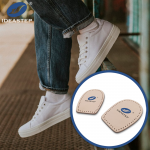
Full‑length orthotic insoles saturate today’s wholesale market, and fierce price competition has eaten into profit margins across the category. After years working alongside orthotic distributors, shoe factories and foot‑care clinics, we have seen many wholesalers overlook 3/4 high arch support insoles as a viable mid‑tier addition. These compact inserts deliver targeted arch and heel support, solve common fit headaches, and lift average margins across your entire orthotic catalog.
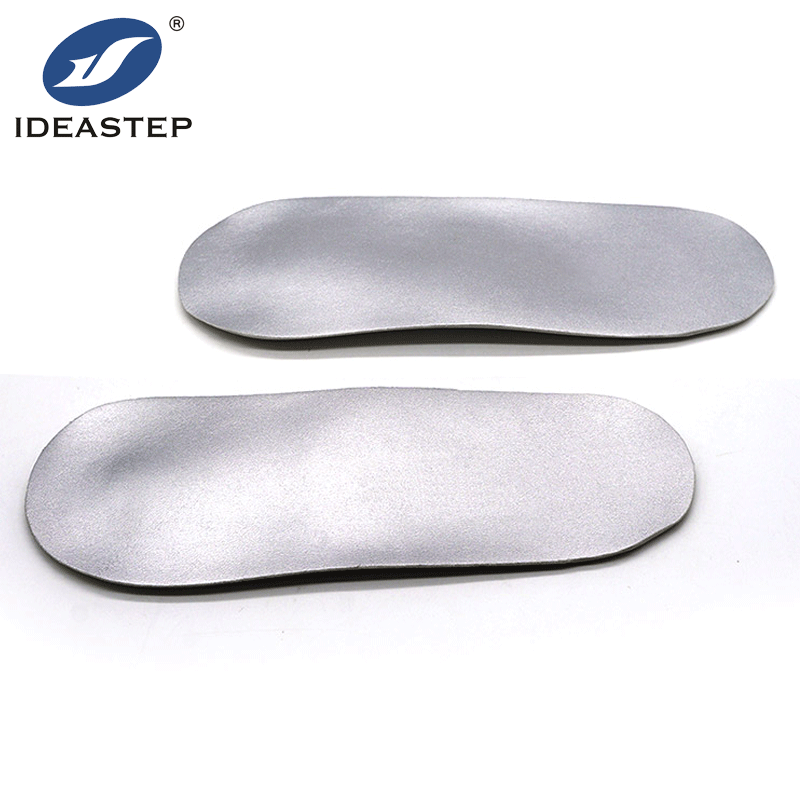
Key Pain Points in Current Orthotic Wholesale
Most wholesalers rely heavily on full‑length insoles to fill their product lines. While they move volume, generic low‑cost alternatives have eroded profitability.
- Wholesalers face compressed margins, bloated SKU portfolios and high inventory risk. Carrying dozens of full‑length variants ties up capital and leaves you holding slow‑moving stock.
- Shoe brands run into fit limitations. Full‑length orthotics demand enough internal shoe depth, making them incompatible with many dress shoes, casual styles and low‑profile footwear.
- Clinical partners deal with end‑user pushback. Many patients only need arch and heel relief, yet full‑length inserts crowd toe boxes and create uncomfortable pressure.
This creates a clear gap for mid‑tier solutions. 3/4 high arch support insoles fill that space, letting you diversify without competing purely on price.
Commercial Upsides of 3/4 High Arch Support Insoles for B2B Buyers
Boost average gross margins across your lineup
Position 3/4 high arch support insoles as differentiated mid‑tier SKUs to step away from commodity price wars. You can justify reasonable premiums based on functional arch geometry, instead of racing against cheap mass‑produced full‑length options.
Cut inventory pressure and dead‑stock risk
Compared to full‑length insoles, 3/4 models require fewer size options to cover most adult footwear. Their smaller footprint lowers warehouse costs and reduces losses from slow‑turning sizes.
Expand addressable markets through better shoe compatibility
With no forefoot section, 3/4 inserts do not crowd toe boxes. They work inside dress shoes, slim casual footwear and other styles where full‑length orthotics simply cannot fit. This opens sales opportunities your existing range cannot reach.
Broaden your B2B customer base
These insoles sell to general retailers, OEM shoe projects and clinical facilities. They work as standalone goods or pair with custom heel cushions for bundled orders, adding extra revenue streams.
Drive repeat business as consumable parts
Like all orthotic inserts, 3/4 high arch support insoles lose structural performance over wear. This generates natural re‑order cycles rather than relying only on one‑off large‑volume deals.
3/4 High Arch Support Insoles vs Full‑Length Orthotics Practical B2B Comparison
Clear product differentiation helps you guide downstream partners and avoid unnecessary returns.
- Support scope: 3/4 insoles target only arch and heel, with zero forefoot correction. They fit end‑users with high‑arch discomfort and no metatarsal issues. Full‑length orthotics remain necessary for forefoot‑related pain.
- Shoe fit requirements: 3/4 variants adapt to most low‑volume footwear. Full‑length orthotics need sufficient shoe cavity depth and removable factory insoles.
- Cost‑to‑market positioning: Material usage and lead times differ between the two styles. Place 3/4 insoles in your mid‑price tier, and reserve full‑length products for premium clinical‑grade projects.
- Channel guidance: Train your downstream contacts on proper use‑cases. Misapplication is one of the biggest drivers of consumer complaints and returns.
B2B Cooperation Models for 3/4 High Arch Support Insoles
Choose your approach based on order volume, lead‑time and product goals:
- OEM Footwear Integration: Pre‑fit 3/4 insoles into finished shoes, tuning arch height and thickness to match target shoe lasts.
- ODM Co‑Development: Customise EVA density, arch contour, thickness, logo embossing and packaging to build exclusive private‑label SKUs.
- Private‑Label Validated Stock: Use proven existing moulds with your brand marking for fast catalog expansion and short lead‑times.
- Trim‑to‑Fit Semi‑Finished Insoles: Blank inserts for manual on‑site shaping. Well‑suited for low‑MOQ market testing and small‑batch clinic stock.
- Bundled Foot‑Care Kits: Assemble sets of 3/4 high arch support insoles paired with custom heel cushions for retail and clinical buyers.
Supplier Sourcing Checklist for 3/4 High Arch Support Insoles
Complete these checks before locking in mass production:
- Material durability: Test multi‑density EVA substrates. Confirm arch‑zone hardness and resistance against long‑term compression collapse.
- Mould library coverage: Confirm your supplier carries multiple arch‑height moulds to accommodate varying high‑arch anatomies.
- Tiered MOQ terms: Clarify separate minimums for large OEM production and small‑batch private‑label trial orders.
- Customisation scope: Verify options for logo embossing, thickness adjustment, top‑fabric swap and full branded packaging.
- Sample validation and batch consistency: Always test physical samples. Insist on consistent quality across full production runs, not just prototypes. Confirm realistic production lead‑times.
- Export compliance: Obtain third‑party test reports meeting REACH and restricted‑substance standards for EU and North America to prevent customs detention.
Common Wholesale Mistakes and Mitigation
- Cutting unit cost by downgrading substrate quality. Weak arch structures compress quickly, triggering end‑user complaints and damaging channel trust.
- Incorrect product positioning. Do not market consumer‑grade 3/4 inserts as medical‑grade orthotics, which creates regulatory risk.
- Limited mould selection. A single fixed arch‑height mould restricts your ability to serve different high‑arch profiles.
- Poor downstream education. Without clear use‑case guidance, buyers deploy these insoles for forefoot‑related conditions and generate high return rates.
- Ignoring stacked thickness in bundles. Combining these insoles with heel cushions reduces available shoe volume and causes tight‑fit feedback.
Actionable Steps to Add 3/4 High Arch Support Insoles to Your Catalog
Tailor your roll‑out to your business scale:
- Mid‑sized wholesalers and growing foot‑care businesses: Start with private‑label stock or low‑MOQ trim‑to‑fit blanks. Validate market response with heel‑cushion bundles before investing in new custom moulds.
- Established distributors and shoe factories: Deploy OEM or ODM workflows. Factor 3/4 insole requirements into early shoe‑last development to build differentiated footwear‑ready lines.
- Target professional‑sector buyers: Position these inserts as accessible mid‑tier consumables for physiotherapy and rehabilitation partners to secure steady repeat bulk orders.
Inquire About Your 3/4 High Arch Support Insoles Sourcing Project
We work with global wholesalers, shoe manufacturers and foot‑care partners for sample testing, material comparison, OEM‑ODM quotations and bundled supply with custom heel cushions. Share your technical specs and commercial objectives for a custom B2B solution.
Related Post:
High Heel Insoles with Metatarsal and 3/4 Arch Support
3/4 Length Orthotic Insoles Arch Support Solutions For Orthopaedic Footwear