Footwear brands, foot care clinics and bulk distributors often face trade-offs between biomechanical performance, lead times and manufacturing costs when sourcing orthotic inserts. Fully custom 3D-scanned orthotics deliver precise correction, yet they carry high unit pricing and extended production timelines. Off-the-shelf insoles keep costs low, but limited adjustability creates quality limitations for professional product lines. For bulk procurement, semi-custom orthotic insoles bridge this gap effectively.
What Are Semi-Custom Orthotic Insoles Clarify Product Boundaries For B2B Buyers
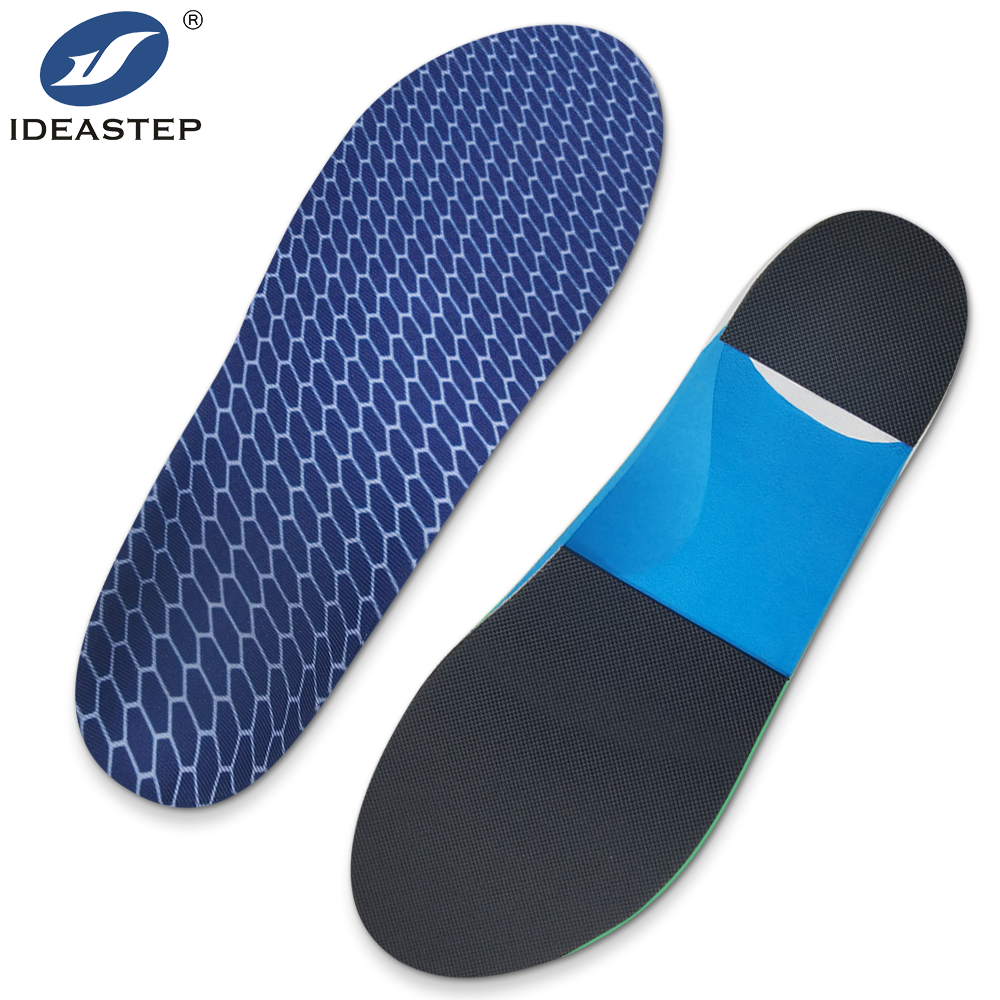
Semi-custom orthotic insoles occupy the space between mass-produced prefabricated inserts and fully custom orthotics. Manufacturers produce pre-shaped base blanks with standardized arch geometry, with built-in capacity for targeted modifications to align with your product roadmap. Unlike fully custom orthotics that require individual foot scans for every unit, semi-custom blanks support heat forming and trimming to fit a wide spectrum of foot profiles.
These products integrate seamlessly into work footwear, athletic lines and casual shoe collections. Clinics stock them as a scalable mid-tier offering to complement prescription-grade fully custom orthotics. For wholesale partners, this category preserves consistent biomechanical support while maintaining production efficiency that ready-made insoles cannot match.
Core Performance Specifications To Evaluate Before Bulk Orders
Pricing should never be your sole evaluation metric. Prioritize biomechanical design and raw material characteristics, as these two elements determine batch stability and long-term market viability for your product range.
Arch support stiffness is available in graded tiers. Your manufacturing partner needs to supply multiple firmness options to match different product lines. Base material options commonly include EVA, PU foam, memory foam and carbon fiber composites. Each material brings unique trade-offs in compression resistance, service life and weight. Carbon fiber delivers rigid reinforcement for heavy-duty product lines, while EVA balances light weight and cost efficiency for large wholesale runs.
Top cover fabrics require careful review. Antimicrobial, moisture-wicking materials reduce service issues in retail and clinic distribution channels. Blank thickness and edge trimming flexibility are also critical. Well-engineered semi-custom blanks can be modified to fit varied shoe lasts without compromising the structural integrity of the arch support.
Verify Supplier Production Capabilities For Large Volume Orders
Semi-custom manufacturing depends on consistent blank forming and controlled heat-molding workflows. Ask suppliers how they maintain uniformity across high-volume batches. Minor variations in arch height or foam density across production runs create quality inconsistencies that impact your brand reputation.
Review the full scope of OEM and ODM services. Reliable manufacturers offer embossed branding, custom fabric colourways and tailored packaging to match your brand identity. Confirm sample turnaround timelines, monthly production capacity and order flexibility. Many qualified manufacturers provide accessible MOQs for trial bulk shipments before scaling into long-term framework agreements.
Compliance and Certifications For The European and North American Markets
Exporting orthotic products to EU or North American markets demands strict compliance oversight. Non-compliant shipments risk customs holds and costly delays. At minimum, semi-custom insoles must satisfy REACH and RoHS requirements to restrict hazardous substances within foam and fabric components.
Take care with medical marketing language. Overstated therapeutic claims on packaging or product copy trigger regulatory audits. Trusted suppliers can furnish batch-specific third-party test reports to support your compliance documentation for retail and border checks.
Cost Factors That Shape Bulk Quotations
Unit pricing for semi-custom orthotic insoles is not static. Material grade, custom branding requirements, packaging specifications and total order volume all influence final quotations. While low-grade blanks appear attractive on initial quotes, inferior foam suffers rapid compression, creating quality issues for your product portfolio.
Align sample terms during early negotiations. Many factories credit sample fees once formal bulk orders are confirmed. Lock in volume-based pricing tiers so you understand unit cost reductions as order quantities expand over multi-order partnerships.
Common Pitfalls When Sourcing Semi-Custom Orthotics And How To Avoid Them
A top risk for B2B purchasers is misclassification: some vendors label standard prefabricated inserts as semi-custom to inflate pricing. Validate modification capabilities before finalizing any manufacturing contract.
Inconsistent arch support across batches is another prevalent risk. Request random cross-batch sample testing to verify stiffness consistency. Confirm whether your manufacturer can deliver custom packaging in-house. Outsourced repackaging adds extra labour and overhead to your supply chain.
How To Select A Trusted Semi-Custom Orthotic Insole Manufacturer
Focus vendor assessment on real manufacturing experience, existing B2B brand references and formal internal QC protocols. Request case studies of past wholesale collaborations with footwear brands or foot clinics similar to your business. Document clear terms covering sample validation, batch inspection and corrective actions if non-conforming units arise post-delivery.
FAQ
Are semi-custom orthotic insoles better than fully custom orthotics for wholesale bulk orders?
Semi-custom orthotics are optimized for large-scale wholesale distribution. Fully custom orthotics require individual foot scanning per unit, which limits mass production scalability. Semi-custom blanks balance reliable biomechanical performance, faster lead times and lower per-unit costs, suitable for resale through clinics and footwear brands.
What is the typical MOQ for semi-custom orthotic insoles?
MOQ differs between manufacturers. Many qualified factories accept small trial bulk orders for product validation, with lower entry barriers than fully custom orthotics. Larger committed orders unlock improved unit pricing.
Can we emboss our brand logo onto semi-custom orthotic insoles?
Yes. Most OEM suppliers offer logo embossing, custom surface fabric and bespoke packaging as optional add-ons for wholesale orders.
What certifications do semi-custom insoles need for sale in EU and US markets?
REACH and RoHS compliance are foundational. Strictly avoid unsubstantiated medical claims on product labeling. Your supplier should provide batch-wise third-party test documentation for customs and retail compliance audits.
How long does production and delivery take for bulk semi-custom orthotic orders?
Standard lead times vary by order size and custom requirements. Schedule production well in advance ahead of peak selling seasons to mitigate shipment delays.
Conclusion
Semi-custom orthotic insoles represent a high-value mid-tier product line for footwear brands, clinics and wholesale distributors. They deliver dependable biomechanical support without the premium pricing and extended lead times associated with fully custom orthotics. Evaluating material performance, batch consistency and regional compliance before committing to bulk orders minimizes supply chain risk and supports a profitable foot care product portfolio.
Reach out to our team to request samples and receive a tailored bulk quotation for semi-custom orthotic insoles.
Explore More: What’s the Best Alternative to Custom Orthotics for Foot Pain? – Semi-Custom Insoles Explained!.