Custom made orthopedic insoles allow footwear OEMs to develop products with specific structural and cushioning configurations. Material selection, shell geometry, and overall thickness must work with the shoe’s construction and production requirements.
For footwear brands, product developers, and wholesale buyers, the key considerations are design compatibility, manufacturing consistency, and cost control. These factors should be addressed before sampling and confirmed before mass production.
1. Why Footwear OEMs Integrate Custom Made Orthopedic Insoles
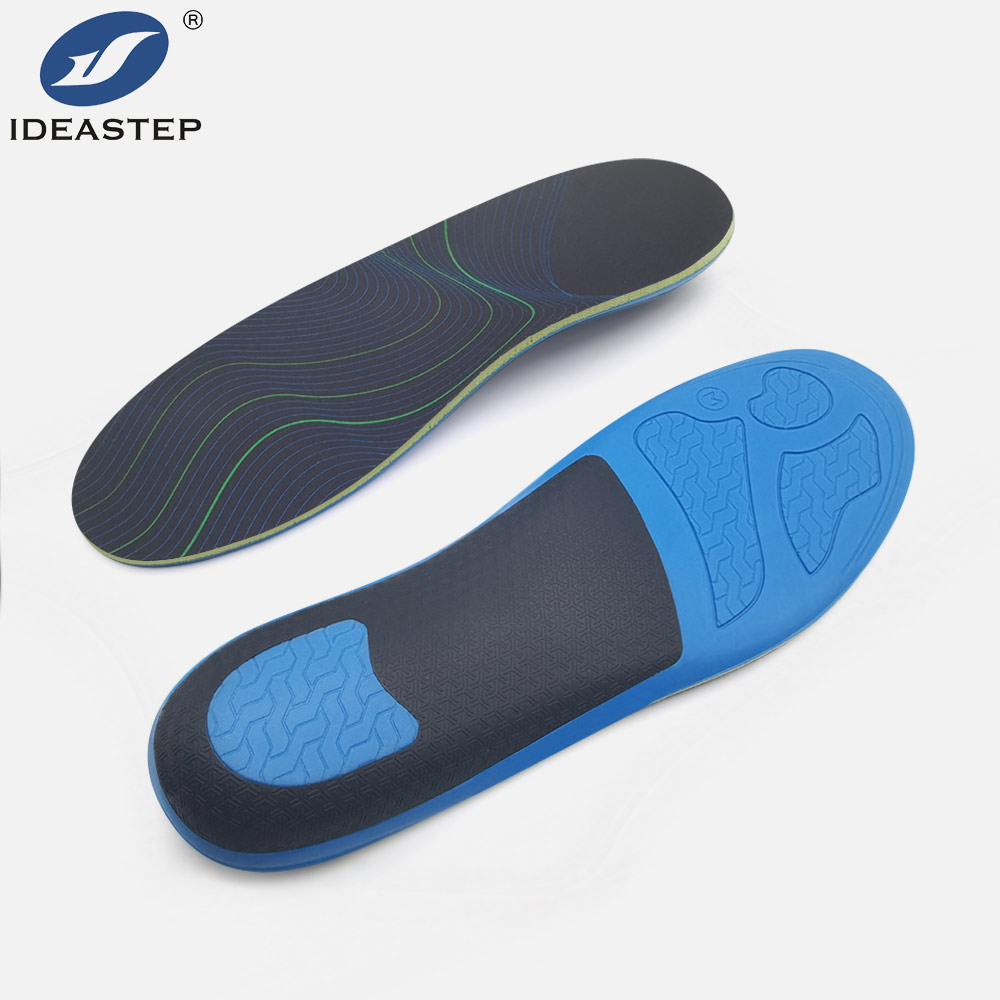
Custom insoles give footwear manufacturers more control over the internal structure of a shoe. Rather than relying on a standard component, OEMs can specify the insole’s materials, dimensions, and construction for different product lines.
Developing Different Product Configurations
Sports footwear, work boots, and specialized footwear may require different insole profiles and material combinations. Variations can include shell length, arch contour, heel cup geometry, cushioning layers, and overall thickness.
Documented specifications help product teams manage these variations and maintain consistency across sizes and repeat orders.
Differentiating Through Insole Construction
A combination of structural and cushioning materials can support different product requirements. For example, a thermoplastic shell paired with EVA or PU foam separates the shell’s structural role from the cushioning layer’s properties.
The design should match the footwear construction and intended application. Any claims involving clinical performance or medical benefits require appropriate supporting evidence.
2. Materials and Structural Features of Custom Orthopedic Insoles
Material selection affects processing options and mechanical properties, while shell geometry determines how the component fits into the finished shoe. Both need to be considered during product development.
Selecting Materials for the Intended Function
Common materials used in orthopedic insole construction include:
- EVA: Lightweight foam used in cushioning layers and shaped insole components.
- PU: Available in different forms, including foams used in cushioning systems.
- TPU: A thermoplastic material suitable for shell designs with varying flexibility and structural characteristics.
- PP: Commonly used for relatively rigid thermoplastic shells.
- PORON: A cushioning material used in selected constructions according to the product specification.
These materials serve different purposes and are not interchangeable in every design. The choice depends on the required structure, thickness, footwear space, processing method, and target specifications.
Designing Arch Contours and Heel Cups
Arch contour, heel cup depth, sidewall height, and shell length define important aspects of the insole’s structure. Full-length and three-quarter-length designs also differ in coverage and the space available for other components.
Technical drawings or approved reference samples should specify critical dimensions. This gives the manufacturer a clear basis for tooling, sampling, and production inspection.
Combining Structural and Cushioning Layers
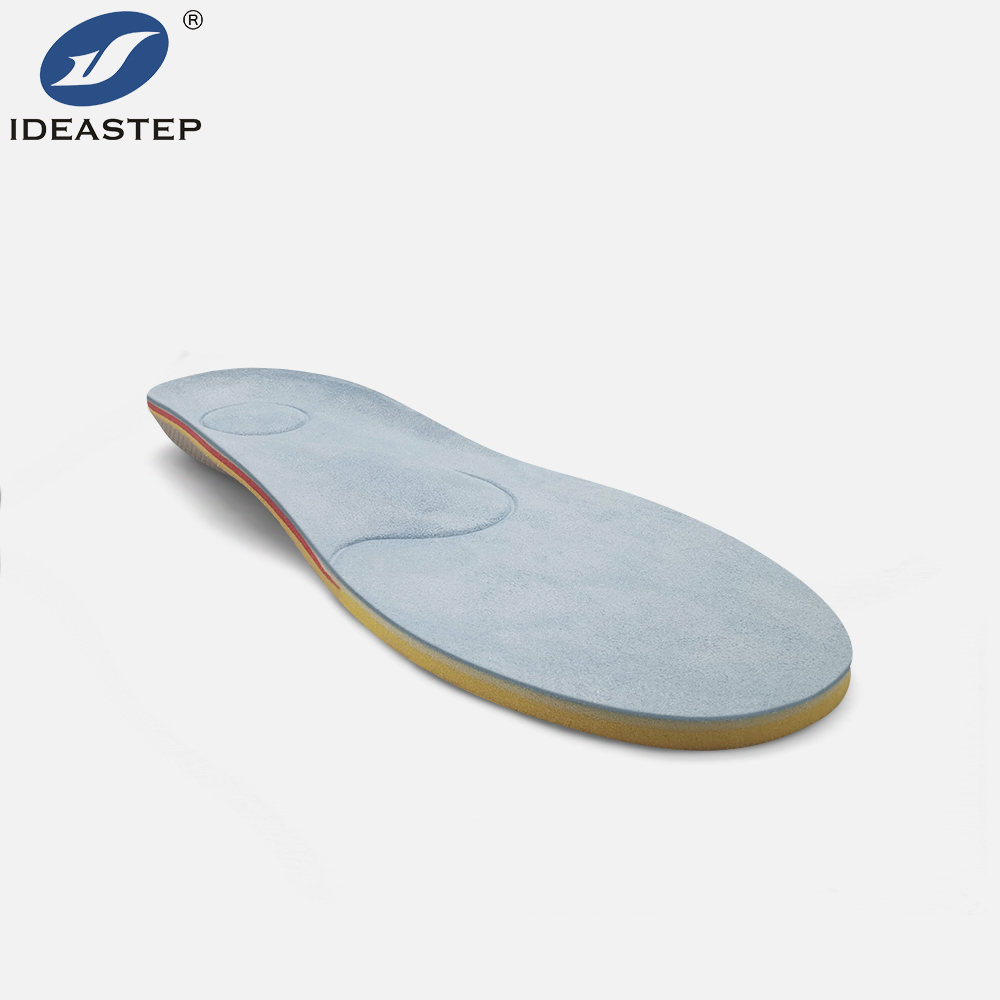
Multilayer insoles may combine a structural shell with foam and top-cover materials. The assembled product must fit within the available shoe volume without exceeding the specified thickness.
Material compatibility, bonding, layer alignment, and edge finishing should be checked during development. Approval should cover the complete insole rather than the shell alone.
3. Matching Insole Design to Footwear Construction
A custom insole must be developed in relation to the shoe it will fit. Differences in the last, footbed, or internal volume can affect dimensions and assembly.
Checking the Last and Footbed
The shoe last and footbed provide important references for insole length, width, heel profile, and arch clearance. Buyers should provide technical drawings, dimensions, or reference footwear whenever possible.
A trial fitting helps identify dimensional conflicts before the specification is finalized.
Managing Thickness and Internal Volume
Shell thickness, foam layers, and heel cup height all contribute to the finished profile. Changes to one component may affect the available shoe space or the position of the assembled insole.
Reviewing the complete layer stack and testing it within the target shoe can reduce late-stage design changes.
Adapting Designs to Different Footwear Categories
Different footwear categories impose different engineering requirements:
- Sports footwear: Consider repeated bending, cushioning configuration, and midsole compatibility.
- Work and safety footwear: Check internal space, durability requirements, and applicable footwear standards.
- Everyday and specialized footwear: Match dimensions and structural features to the shoe construction and product specification.
The final design should be assessed against the actual footwear model. Where performance or compliance requirements apply, appropriate testing should be defined before production.
4. From Product Brief to Prototype
A clear development process helps OEM buyers control revisions and establish consistent production requirements.
Defining the Product Brief
Before requesting a sample, buyers should provide the available technical information:
- Target footwear model and application.
- Insole dimensions, thickness, and size range.
- Material specifications and layer configuration.
- Arch profile, heel cup, and shell requirements.
- Technical drawings, reference samples, or existing product details.
- Packaging requirements and applicable testing criteria.
Complete specifications allow the supplier to assess feasibility and identify potential design constraints earlier.
Prototyping and Design Review
The initial sample should be checked against the agreed requirements. Key inspection points include dimensions, shell geometry, layer alignment, edge finishing, overall thickness, and fit within the target shoe.
Any required changes should be documented. Adjustments may involve material selection, shell shape, foam thickness, or assembly details.
Sample Approval Before Mass Production
Before production begins, both parties should confirm the approved sample, material specifications, critical dimensions, and acceptance criteria. Subsequent design changes should follow an agreed approval process.
This creates a consistent reference for production and repeat orders.
5. Manufacturing Consistency and Quality Control
Bulk production requires control over materials, dimensions, assembly, and inspection. An approved sample alone does not guarantee that every production batch will meet the same specifications.
Controlling Materials and Dimensions
Depending on the design, relevant checks may include material specifications, hardness, thickness, shell geometry, overall dimensions, and size grading.
Each size and structural variant should have a documented specification. This helps prevent inconsistencies during production and replenishment orders.
Managing Assembly and Finishing
For multilayer insoles, inspection should cover bonding, layer alignment, edge quality, and finished thickness. Inconsistent assembly can affect dimensions and fit even when individual components meet their specifications.
Acceptance criteria should identify critical features and define how they will be checked.
Verifying Performance Requirements
When durability, mechanical performance, or regulatory compliance is important, buyers should identify the relevant test methods before production. Test results should correspond to the finished product and its intended application.
The term “clinical-grade” should not be treated as a universal certification. Claims involving clinical outcomes or medical benefits require appropriate evidence and must comply with the target market’s requirements.
6. Evaluating an Orthopedic Insole Supplier for OEM Projects
Supplier selection should consider development capability, production control, and the ability to maintain agreed specifications across bulk orders.
Product Development and Engineering Support
Confirm whether the supplier can work from drawings, reference samples, or technical specifications. Clarify how the team handles structural revisions, material changes, and sample approval.
For integrated footwear projects, the ability to review dimensions against the target shoe is particularly useful.
Production and Quality Management
Ask how the supplier controls material specifications, critical dimensions, assembly quality, and production changes. Confirm which inspection records and quality documents are available for the project.
These details help buyers assess whether the supplier’s processes match the order’s requirements.
MOQ, Tooling, Lead Time, and Total Cost
Before confirming an order, clarify:
- Minimum order quantity (MOQ).
- Sample development and tooling costs.
- Production lead time and scheduling.
- Inspection and acceptance criteria.
- Packaging, labeling, and shipping costs.
Compare quotations against the same product specifications. Unit price alone does not account for tooling, rework, specification changes, or other costs that may affect the total order value.
7. Frequently Asked Questions About Custom Made Orthopedic Insoles
Can Custom Made Orthopedic Insoles Be Integrated into Existing Shoe Designs?
Yes, provided the insole dimensions and construction are compatible with the shoe. The last, footbed shape, internal volume, and required thickness should be reviewed during development.
Which Materials Are Used in Custom Orthopedic Insoles?
Common options include EVA, PU, TPU, PP, and selected cushioning materials such as PORON. The choice depends on the required structure, material properties, manufacturing process, and footwear specifications.
Can OEM Buyers Develop Multiple Insole Specifications for One Shoe Line?
Yes. Variations can include size ranges, shell profiles, material combinations, and thickness. Each configuration should have a documented specification to support consistent production.
What Information Is Needed for an OEM Insole Quotation?
Provide technical drawings or reference samples, target footwear details, dimensions, material requirements, size range, estimated order quantity, and packaging specifications. Identify any applicable testing or compliance requirements as well.
8. Discuss Your Custom Orthopedic Insole Project with Ideastep
Custom orthopedic insole projects require coordination between material selection, structural design, footwear compatibility, and manufacturing specifications. Defining these requirements before sampling helps suppliers assess feasibility and prepare for bulk production.
Ideastep works with orthotic insole and footwear projects requiring defined material and structural specifications. OEMs, footwear brands, and wholesale buyers can share drawings, reference samples, size requirements, and estimated order quantities to discuss their projects.
Contact Ideastep to discuss your custom orthopedic insole requirements.
Related Articles:
Wholesale Custom Made Orthopedic Insoles for Podiatrists & Foot Care Brands
Custom Made Orthopedic Insoles Supplier for Clinics & Foot Care Professionals