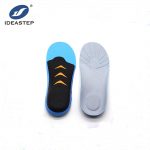
Insole design brings together product geometry, material properties and manufacturing requirements. The shape of the base, arch profile, heel contour and component layout all influence the finished construction. These details must work together to produce an insole that meets its intended application and can be manufactured consistently.
For orthotic product suppliers and footwear brands, a well-developed design provides the technical foundation for product differentiation, customization and repeat production. The process requires more than a suitable concept; it also needs to account for material behavior and manufacturing feasibility.

1. Define the Design Requirements
Before developing the structure, the design team needs to understand the product’s intended application and technical requirements. An orthotic insole, a sports insert and a work footwear insole may share certain components, but their structural priorities can differ considerably.
The initial design brief should establish:
- Application: Orthotic footwear, sports shoes, work shoes or casual footwear.
- Product dimensions: Size range, length, width and overall thickness.
- Structural features: Arch profile, heel cup, cushioning zones and support elements.
- Material requirements: Foam density, hardness, flexibility and surface materials.
- Production considerations: Manufacturing method, target volume and finishing requirements.
These specifications give the design team a clear framework and help prevent structural changes late in the development process.
2. Plan the Insole Geometry and Component Layout
The insole’s geometry determines its overall form and the position of individual components. Length, width, forefoot shape and heel contour should correspond with the intended footwear dimensions.
For orthotic constructions, particular attention is needed when developing the arch profile and heel cup. Their height, width and contour affect the available space for other components and the overall thickness of the insole.
A multi-component design may include:
- Base layer: Establishes the main shape and provides a foundation for assembly.
- Arch support: Defines the medial or customized arch contour.
- Heel cup: Forms the rear profile and determines heel depth.
- Cushioning zones: Add material in selected areas of the forefoot, heel or full-length base.
- Top cover: Completes the surface and needs to match the underlying construction.
Component dimensions should be reviewed as a complete system. Increasing the thickness of one layer, for example, can affect the finished profile, edge height and available space inside the shoe. Early coordination helps avoid conflicts during assembly.
3. Match Material Properties with the Structure
Material selection should follow the requirements of each component. Density, hardness, flexibility and thickness affect how a material can be shaped and integrated into the insole.
| Material | Typical Design Use | Specifications to Review |
|---|---|---|
| EVA Foam | Base layers, cushioning and molded structures | Density, hardness and thickness |
| PU Foam | Cushioning components | Formulation, resilience and durability |
| TPU | Flexible or structural elements | Hardness, flexibility and processing requirements |
| PP | Rigid or semi-rigid support shells | Rigidity, thickness and forming characteristics |
| Poron-type Materials | Localized cushioning | Compression response and thickness |
| Microfiber and Fabric | Top-cover construction | Surface texture, color and bonding compatibility |
Material compatibility is particularly important in layered constructions. The selected materials must suit the intended forming and bonding processes, while maintaining the required dimensions and finish.
For custom projects, material grades and physical specifications should be documented rather than identified by material name alone.
4. Apply Digital Design and 3D Modeling
Digital design provides a more precise way to develop insole geometry before physical production. CAD software can define the base shape, arch contour, heel cup and component dimensions within a single design file.
For customized orthotic products, digital modeling also makes it easier to modify specific areas without rebuilding the entire design. This is useful when developing different size ranges or adapting an existing model to new structural requirements.
Depending on the project, digital design may cover:
- 2D outlines and dimensional drawings
- 3D models of the insole base and support structures
- Arch and heel contour adjustments
- Component positioning and thickness changes
- Design files prepared for compatible CNC equipment
Digital files also provide a reference for design revisions. Changes to dimensions or geometry can be recorded and reviewed before the updated version moves into sample production.
5. Select Manufacturing Methods That Suit the Design
The manufacturing process should support the geometry and material requirements of the approved design. Different components may require different production methods, particularly in multi-layer or molded constructions.
| Process | Role in Insole Manufacturing |
|---|---|
| Die Cutting | Produces foam, fabric and sheet components in specified shapes. |
| Thermoforming | Shapes suitable thermoplastic materials into defined profiles. |
| Compression Molding | Forms selected foam and molded components. |
| Injection Molding | Produces plastic components using dedicated molds. |
| CNC Processing | Machines compatible materials to achieve controlled contours and dimensions. |
Not every design requires the same combination of processes. The choice depends on the material, component geometry, tooling requirements and planned production volume.
Manufacturing feasibility should be considered during design development. Features that are difficult to form, machine or assemble may require adjustments before the design is finalized.
6. Verify the Design Before Mass Production
A physical sample helps confirm whether the proposed geometry and construction match the technical design. It also allows the manufacturer to identify issues that may not be apparent in a digital model.
Design verification should focus on:
- Overall dimensions and thickness
- Arch and heel geometry
- Component alignment and positioning
- Material specifications
- Layer bonding and assembly quality
- Compatibility with the intended footwear
Any required changes should be reflected in the technical drawings and revised design files. Once the sample is approved, these records provide the reference for production and subsequent orders.
7. Maintain Design Accuracy During Production
Moving from a finished design to bulk manufacturing requires clear technical documentation. Without consistent reference data, differences in dimensions, material specifications or component placement can occur between production batches.
A production design file should identify:
- Product model and size specifications
- Overall dimensions and tolerances
- Material grades and thicknesses
- Arch, heel and component geometry
- Assembly and bonding requirements
- Color, surface finish and packaging details
Inspection should focus on the features that define the approved design. Dimensional checks, material verification, component positioning and finished-product comparisons help maintain consistency.
When a design is revised, the updated drawings and specifications should replace the previous production reference only after approval.
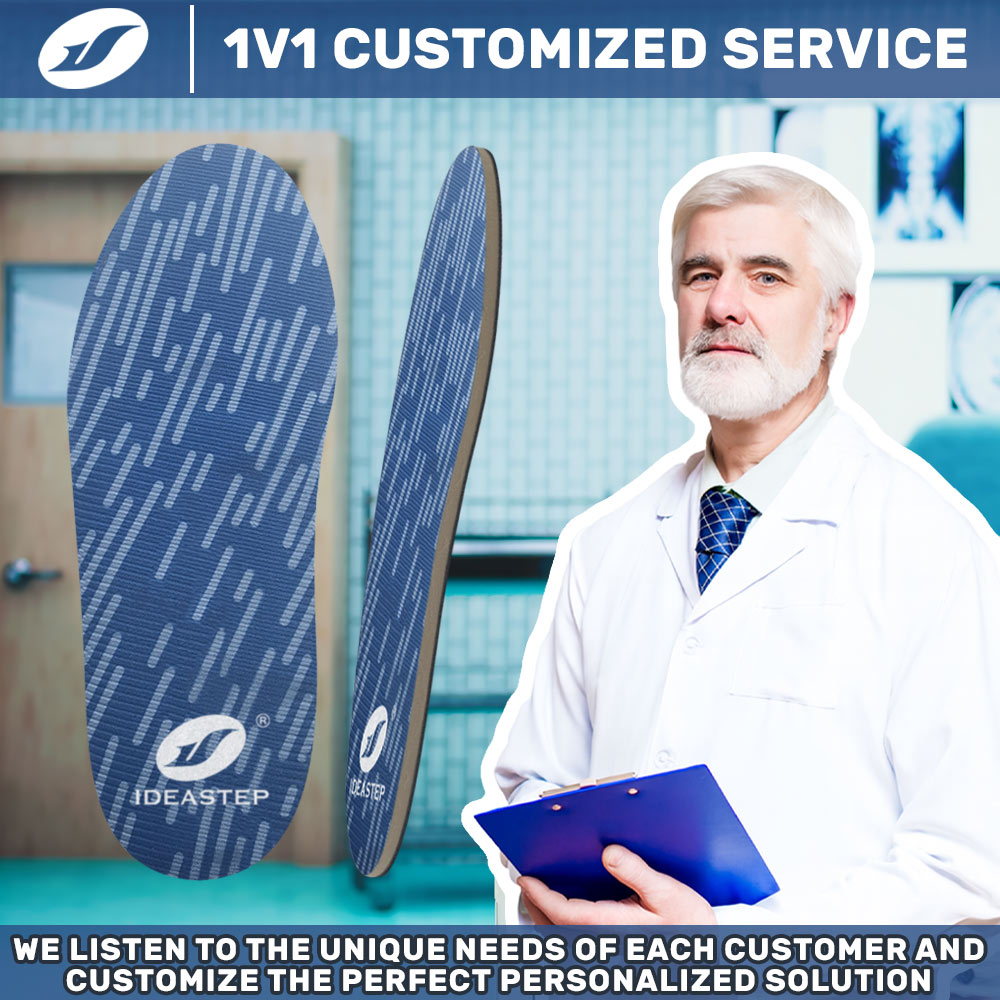
8. Custom Insole Design and Manufacturing with Ideastep
Ideastep supports B2B customers developing orthotic insoles and customized footwear components. Our capabilities cover different insole structures, material combinations and production requirements.
Customization options include:
- Full-length and 3/4-length insole constructions
- Customized arch profiles and heel cup structures
- EVA, PU and other suitable material combinations
- Different support and cushioning configurations
- Customized dimensions, thickness and top-cover materials
- Logo application and private-label production
Buyers can provide technical drawings, existing samples or initial product specifications for review. Our team can discuss structural requirements, material options and suitable manufacturing methods before arranging sample development.
For OEM and ODM projects, design specifications and production arrangements can be coordinated around the approved construction and order requirements.
Develop Your Insole Design Project
A production-ready insole design must balance geometry, material properties and manufacturing requirements. Addressing these factors during the design stage gives buyers a clearer technical basis for product development and repeat manufacturing.
If you are developing a new orthotic insole or adapting an existing design, share your drawings, samples or technical specifications with our team.
Contact Ideastep to discuss custom insole design, technical development and OEM/ODM manufacturing.
Recommended Reading: Custom Insole Design: Bulk OEM ODM Solutions For Footwear Brands And Clinical Wholesale Partners.