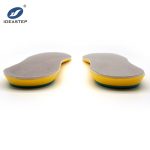
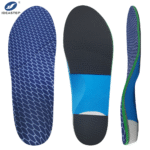
Custom Fit Orthotic Inserts Fill A Premium Gap Beside Mass-Market Insoles
Many foot care brands carry a broad range of off-the-shelf insoles to cover basic cushioning and mild arch support. These commodity products are easy to source and carry low entry costs, yet they hit limits when addressing patients with unique biomechanical profiles. Custom fit orthotic inserts are built from individual foot data, tackling uneven weight distribution, persistent heel pain and gait irregularities that prefabricated insoles cannot resolve.
For podiatry clinics, rehabilitation providers and specialty distributors, this product tier creates a clear premium offering. It works alongside your existing foot support lineup instead of replacing it, giving clinicians a flexible way to match support to each patient’s presentation. This distinction helps brands move away from race-to-the-bottom pricing and build lasting credibility with clinicians focused on measurable functional outcomes.
Core Use Cases That Drive Demand For Custom Fit Orthotic Inserts
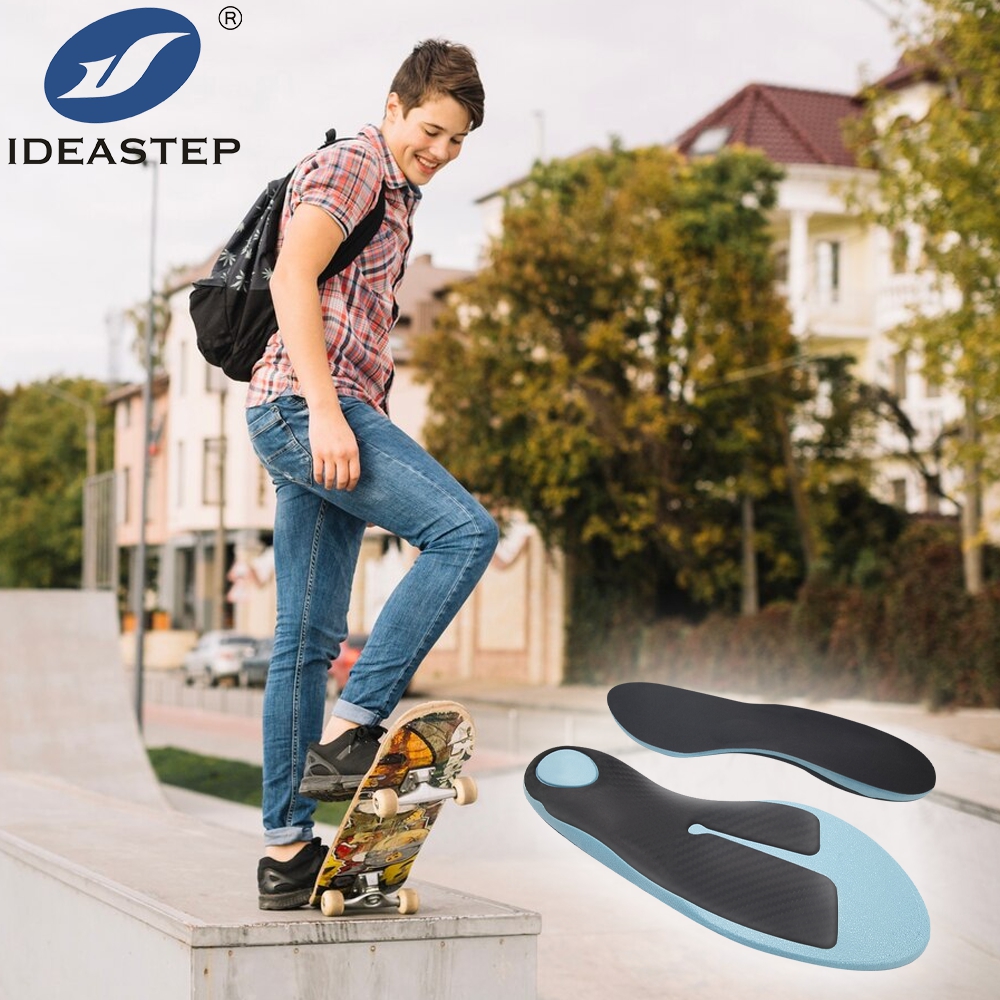
Professional buyers add custom fit orthotic inserts to their catalogs for well-defined clinical scenarios. Patients with flat feet, high arches or persistent overpronation often see limited improvement from standard insoles and turn to these custom inserts. They are also widely used during post-injury rehab, diabetic foot care and ongoing management of metatarsalgia.
Unlike rigid prescription orthotics, these inserts strike a practical middle ground. They deliver targeted correction while staying flexible enough to fit most everyday footwear, athletic shoes and work boots. That wearability makes them a preferred mid-tier solution for clinicians, sitting between basic cushioned insoles and fully rigid custom orthotics.
Fabrication Routes For Custom Fit Orthotic Inserts In OEM Programs
Two primary production workflows support private label orders, each suited to different order patterns. Digital scanning workflows capture foot geometry via 3D foot scanners, then export files for CNC milling or 3D printing. This method simplifies file archiving, remote order submission and repeat reorders for returning patients, ideal for clinics with steady prescription volumes.
Traditional cast-based fabrication remains relevant for complex cases. Clinicians capture negative casts on-site, and our manufacturing lab creates positive molds before shaping the inserts. This approach retains tight control over soft tissue positioning, a feature many seasoned podiatrists prefer for sensitive or atypical foot structures.
A reliable supplier supports both pathways. This flexibility lets you onboard clinics that keep traditional casting workflows, as well as newer practices running fully digital capture. Removing this technical friction makes partnership onboarding much smoother.
Material Selection And Customization For Private Label Runs
The performance of custom fit orthotic inserts largely depends on material combinations. EVA blends deliver lightweight cushioning and moderate arch correction, well suited for active patients. Cork composites offer stable, temperature-resistant support and hold shape reliably through long wear cycles. Firmer TPU top layers boost durability for high-impact use, while softer foam underlays reduce pressure over sensitive foot zones.
Beyond base materials, private label options include branded top covers, subtle engraving, custom packaging and adjustable thickness profiles. Modular lines are also popular; clinicians can swap top covers without reworking the core insert base. All incoming material batches come with traceable test documentation and biocompatibility records to meet regional medical device expectations.
Align Sample Kits And Training Resources For Clinical Partners
Clinical buyers need more than finished goods to integrate custom fit orthotic inserts into their service routines. Well-built sample kits let practitioners compare material firmness, thickness and finishing styles before committing to bulk orders. Paired with samples, reference guides covering scan best practices, casting tips and fitting checklists help cut unnecessary rework.
Clinicians new to custom inserts also need clear guidance to set patient expectations. Unlike ready-made insoles, these inserts require a short break-in period and periodic reassessment. Supplying this educational content as part of your OEM package lowers ongoing support workload and reduces return rates for your partners.
Navigating Compliance And Quality Control For Custom Foot Inserts
Classification rules for custom fit orthotic inserts differ across global markets. Within Europe, many variants fall under medical device regulations, requiring CE marking and complete technical files. Our production follows ISO 13485 standards, with formal batch traceability, risk assessment and structured quality checks built into every fabrication stage.
Consistent QC is critical for custom work. Every insert is cross-referenced against the original scan or cast to verify arch height, heel cup depth and metatarsal contour match the submitted prescription. Skipping this verification step leads to avoidable fit complaints and erodes trust with professional buyers.
How Custom Fit Orthotic Inserts Lift Your Long-Term Brand Value
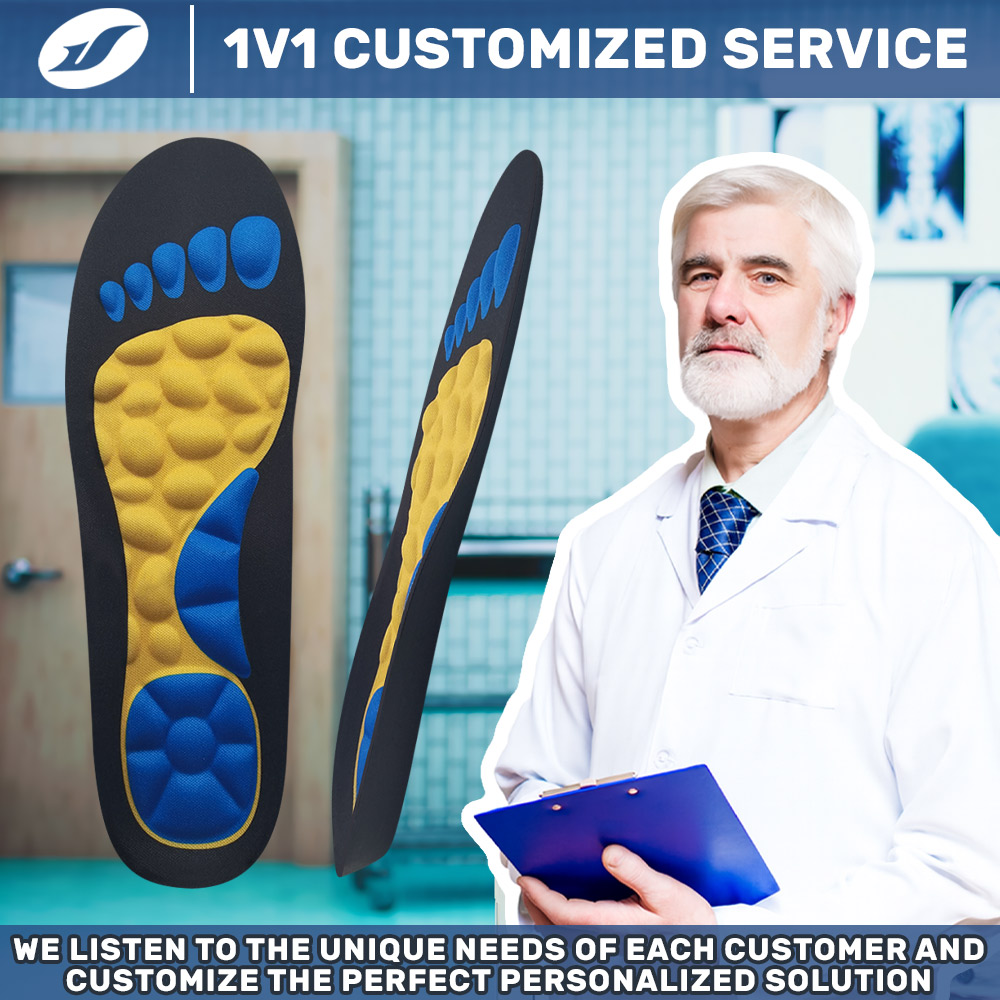
Adding custom fit orthotic inserts is a strategic portfolio upgrade, not just another SKU to list. It lets you address a wider spectrum of foot care needs, capture higher-margin orders and strengthen ongoing partnerships with podiatry and rehab providers. Brands stocking commodity insoles, custom inserts and full rigid orthotics can position themselves as a single source for nearly all lower-foot support requirements.
If you are ready to build this line, reach out to discuss sample trials, material testing and private label arrangements aligned with your target markets and order volumes.
Frequently Asked Questions
What is the difference between custom fit orthotic inserts and rigid custom orthotics?
Custom fit orthotic inserts are semi-flexible, designed for everyday footwear and moderate biomechanical correction. Rigid orthotics offer stronger structural control and are usually prescribed for severe deformities or post-surgical care. Many clinics stock both to cover different patient tiers.
Can you accept both plaster casts and digital scan files for production?
Yes. Our workflow supports both traditional cast submissions and standard 3D scan files. This setup accommodates clinics that have not fully transitioned to digital capture, alongside practices that rely entirely on foot scanners.
Are these custom fit orthotic inserts compliant for sale in EU markets?
We follow ISO 13485 quality management requirements and provide supporting documentation for CE marking. Final device classification depends on intended use and local regulatory rules, and we supply technical files for buyers to complete their market registration.
What customization options are available for private label orders?
Private label customization includes branded top covers, custom engraving, tailored packaging and variable thickness profiles. We can also develop modular insert systems for partners who want flexible, interchangeable surface layers.
What is the typical lead time for custom fit orthotic insert orders?
Lead time varies based on order size, customization scope and whether orders come from scan files or physical casts. Digital file orders generally process faster, while cast submissions require extra handling and validation steps. We share clear timelines at the quoting stage.
Related Articles: Custom Fit Shoe Insoles Expand Profit Opportunities for Wholesalers and Footwear Brands.