Written by our orthotic specialist with clinical lab and podiatry supply background. We work closely with podiatrists, physical therapy teams and health brands across Europe and North America to deliver prescription-grade custom foot orthoses, CAD/CAM fabrication and full compliance documentation for clinical settings.
Clinics and health-focused brands spend years building trusted patient relationships around assessment, rehabilitation and ongoing care. Even so, many overlook how custom foot orthoses can tie every piece of that care pathway together. These are not simply upgraded inserts to add to a product catalogue. When integrated properly, prescription orthoses strengthen your clinical credibility, open reliable referral streams and set your practice apart from competitors relying only on prefabricated foot supports.
This article breaks down the clinical and commercial value custom orthoses bring to your clinic or health brand, and how to fit them into your existing workflow without disrupting patient appointment schedules.
Custom Foot Orthoses vs Prefabricated Supports: The Key Clinical Difference
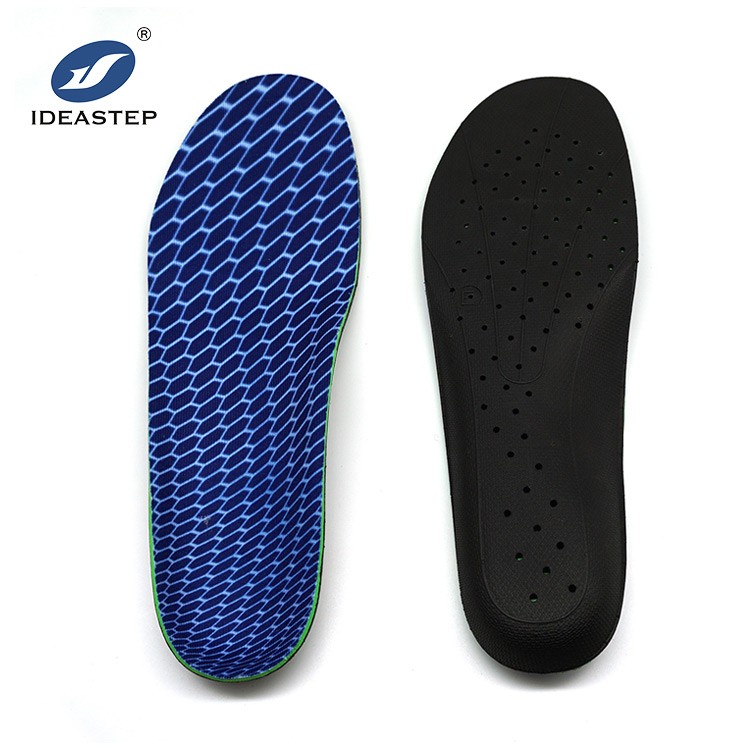
It is common for buyers and patients alike to lump orthoses and off-the-shelf insoles into the same category. Clinically, however, they serve entirely different purposes. A custom foot orthosis starts with a licensed practitioner’s assessment, gait evaluation and formal prescription. It is built from a 3D scan or plaster cast of the patient’s foot, engineered to address specific biomechanical goals: controlling excessive pronation, offloading high-pressure zones for diabetic patients, accommodating fixed deformities, or stabilising the rearfoot during rehab.
Prefabricated supports work well for mild comfort needs and short-term symptom relief. They are built around average foot shapes, though, so they cannot replicate the targeted correction required for patients living with recurring plantar fasciitis, symptomatic bunions, high arch instability or neuropathy risk. For your clinic, this distinction is critical: it frames your offering around clinical judgement, not retail product sales.
When patients understand their orthosis is part of a formal treatment plan rather than a standalone comfort accessory, they engage more consistently with follow-up appointments, footwear adjustments and home rehab work. This shifts the conversation from purchasing an insole to completing a full care programme.
Build Clinic Authority by Centring Care on Measurable Patient Outcomes
Referring providers and patients choose clinics they can trust to deliver consistent, documented care. Custom foot orthoses give you a tangible medical device linked directly to your assessment notes, prescription parameters and follow-up progress tracking.
You can record baseline gait observations, pain levels and footwear limitations before fabrication, then revisit those markers during fitting reviews. This structured record supports insurance documentation, internal audits and builds confidence among referral partners. Podiatrists, physiotherapists and sports medicine specialists are far more likely to send complex cases your way when they know you supply prescription orthoses with clear records and post-delivery adjustment support.
This also lifts your brand positioning. Instead of being viewed as a supplier of generic foot products, you become a provider of biomechanical care solutions. This kind of reputation lasts far longer than promotional campaigns and generates steady, organic referral traffic from other clinical partners.
Expand Your Product Line Without Compromising Clinical Standards
A common worry among clinic owners is that adding orthoses will turn their practice into a retail space. The opposite happens when you structure the programme correctly. Custom foot orthoses fit neatly into your existing service sequence: assessment first, prescription, fabrication, fitting and scheduled review.
You can tier your offering to match the patient groups you serve. A core clinical line covers corrective and accommodative orthoses for most referred cases. A separate performance-focused range suits athletes under your care, tuned to manage load during training and competition. For diabetic and high-risk patients, pressure-distributing orthoses with seamless, low-shear top covers fill a critical gap standard comfort inserts cannot safely address.
We encourage clinic partners to keep product selection simple. You do not need dozens of base models. A smaller, clinically validated range, with material modifications and shell adjustments controlled by your prescription, keeps inventory light and simplifies clinical decision-making. Your team spends less time sorting SKUs and more time with patient assessments.
Drive Patient Retention Through Planned, Meaningful Follow-Up Touchpoints
A custom orthosis is not a one-time transaction. Proper care requires fitting checks, footwear compatibility reviews, shell modifications and replacement planning as a patient’s condition, weight or activity level changes. These check-ins create natural opportunities to reconnect with patients months after their initial visit.
Many clinics only see patients once pain returns. Orthoses create a predictable care rhythm: an initial fitting check at two weeks, a longer review at six months, and routine reassessment every 12 to 24 months based on diagnosis and wear patterns. These scheduled visits reduce no-show rates, keep clinical relationships active and catch emerging foot issues before they develop into more painful, costly conditions.
For brands supplying clinics via wholesale or private label clinical programmes, this is a major selling point. Your orthosis line is not just a product for resale; it is a clinical tool that makes your partner’s care model stickier and improves long-term patient value.
Work With a Reliable Orthotic Lab to Keep Your Workflow Stable
Even experienced clinical teams hold off on offering custom orthoses because of concerns over inconsistent lead times, poor communication with labs or unreliable build quality. The right manufacturing partner removes those bottlenecks.
Our process for clinic partners is built around prescription clarity. You send scan files, assessment notes and prescription specifications, and our orthotic engineering team fabricates strictly to your requirements. We handle shell cutting, top cover lamination, edge finishing and branded marking if you want your clinic logo applied to each orthosis. All medical-grade orthoses come with ISO and CE supporting documentation, test records and material safety files you can keep on hand for compliance audits.
We design our orthoses to support in-clinic adjustments. Trained clinical staff can complete minor trimming and shell modification at the fitting stage, instead of sending every small tweak back to the lab. This cuts patient wait times and keeps your team in control of the final fit.
Branded Orthoses Reinforce Your Clinic Identity With Every Wear
When each orthosis leaving your clinic carries your branding, it acts as quiet, ongoing exposure for your care service. Patients wear these orthoses in daily shoes, training footwear and work boots, linking the support directly to your practice rather than an anonymous manufacturing lab.
This works equally well for clinic networks and health brands rolling out their own clinical product range. You can select custom top cover colours, matching patient handover packaging and custom instruction sheets aligned with your clinic’s patient education style. Every component reinforces the same professional standard patients experience during appointments.
Branding here is more than cosmetic. It builds accountability. Patients know exactly who to contact for fit reviews, adjustments or replacements, keeping your clinic central to their ongoing foot health journey.
Frequently Asked Questions From Our Clinic and Brand Partners
How do custom orthoses work alongside prefabricated products I already stock?
They complement one another. Use prefabricated supports for mild comfort and short-term trials, reserving custom foot orthoses for patients with confirmed biomechanical dysfunction, chronic pain, deformity or elevated health risk. This gives your clinicians a graduated care pathway instead of forcing a single product on every patient.
What training does my team need to prescribe custom orthoses?
Prescription and assessment stay under your licensed practitioner’s oversight. Our team provides fabrication guidance, material performance data and fitting support resources. We do not replace clinical decision-making; we manufacture the device built to your prescription.
Can we maintain different design standards for diabetic, sports and paediatric orthoses?
Yes. Each patient group follows distinct design rules: pressure redistribution for diabetic orthoses, dynamic load control for sports, and flexible, growth-friendly geometry for paediatric cases. We adjust shell rigidity, top cover thickness and edge profiling according to your prescription notes.
Is there a minimum order for clinic-branded orthoses?
We support low minimums for clinics, including single patient orders. This is ideal for smaller practices that do not want to commit to large batch runs before confirming patient uptake.
Move Past Commodity Insoles With Custom Foot Orthoses
Custom foot orthoses reposition your clinic or health brand from a retailer of foot supports to a provider of structured biomechanical care. They deepen patient trust, grow referral networks, create natural follow-up cycles and let you build a product portfolio rooted in clinical outcomes instead of price competition.
If you are ready to add prescription custom foot orthoses to your service lineup, share your clinic’s patient focus and current assessment workflow. Our team can walk you through sample options, compliance packages and fitting support tailored for your care team.
Related Post:
Custom Made Foot Insoles From Material Selection to Production Ready Designs
Custom Made Foot Inserts Are Redefining Product Development for Footwear Brands