Running a foot health brand or podiatry clinic means balancing consistent clinical results, stable product quality, and a supply chain you can count on. Many clinics and growing foot care labels hit roadblocks when trying to bring custom orthotic services in-house. Setting up a lab requires 3D scanners, CNC milling gear, trained technicians, and ongoing quality audits — all of which add heavy overhead and a steep learning curve. Teaming up with an experienced custom orthotic manufacturing partner removes much of that burden. You can deliver prescription-grade orthotics under your own brand name, and stay focused on patient care and business growth.
What Sets Professional Custom Orthotic Manufacturing Apart From Generic Insole Suppliers
Not every foot support insert qualifies as a true custom orthosis. Off-the-shelf insoles are built around average foot shapes, made for basic comfort. Medical custom orthotics, by contrast, are built from individual foot geometry, gait assessment data, and formal clinical prescription notes. Reputable manufacturers design their production workflows around proven biomechanical principles, with output calibrated for podiatric care, sports medicine, diabetic foot protection, and paediatric foot correction cases.
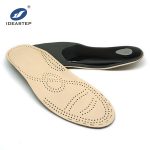
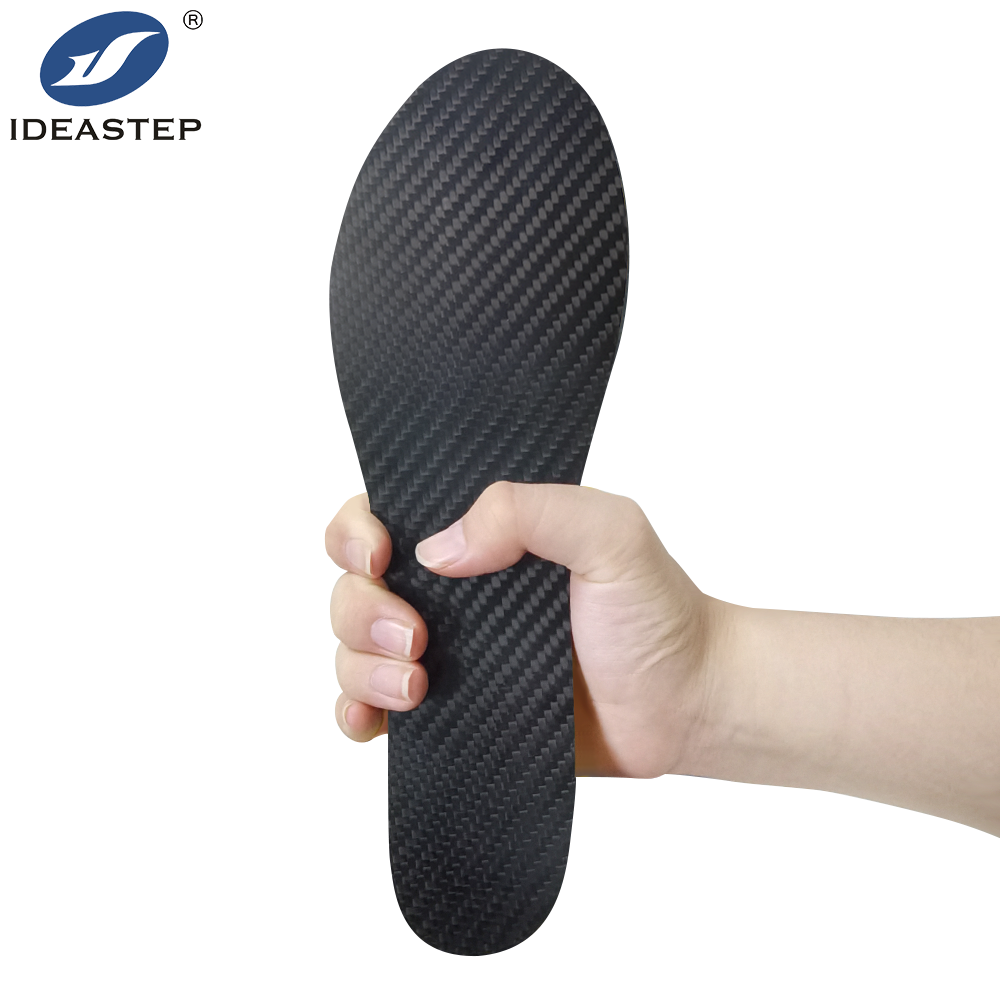
Strong orthotic production partners accept multiple input formats: STL files exported from your 3D foot scanners, foam impressions, plaster casts, or handwritten measurement sheets from your clinical team. This flexibility matters a lot for clinics that already have their own patient capture systems, as well as brands building private label orthotic lines without an on-site lab. Material options are selected for clinical performance, too. Choices include rigid carbon fiber shells for major biomechanical correction, semi-rigid blends of EVA, cork and TPU, and soft pressure-relieving foams made for sensitive diabetic feet.
How Foot Health Brands Benefit From a Dedicated Orthotic Production Partner
For foot health brands moving beyond pre-made foot care goods, custom orthotics open up a high-margin category that builds lasting customer loyalty. Launching this line independently, however, calls for deep regulatory knowledge and repeatable quality controls most brands do not have in-house. A trusted manufacturer handles product development, compliance testing and batch production. Whether you need ODM variants built on tested orthotic templates or fully custom OEM designs aligned to your specs, they can adapt to your roadmap.
Private label branding integrates naturally into the production process. Custom top covers, engraved logos, printed packaging, patient instruction slips and custom sizing guides can all be adjusted to match your brand identity. Many partners support flexible minimum order quantities for trial runs, which works well for newer foot health brands testing market response before committing to large bulk orders. Sampling cycles also let you validate fit, durability and end-user feedback before full production, cutting down on costly changes after launch.
Why Podiatry and Rehabilitation Clinics Outsource Custom Orthotic Fabrication
Clinics often outsource orthotic fabrication to expand their service menu without adding lab staff or taking up extra floor space. A podiatrist or physical therapist captures patient scans, reviews biomechanical findings, and sends the prescription over to the production lab. Finished orthotics come back ready for fitting, with traceable records kept for every patient device. This model lets clinics support more patients living with complex concerns: plantar fasciitis, flexible flat feet, bunion deformity, limb length discrepancy, and gait retraining after injury.
Consistency is where the value really shows. A dependable production partner holds shell stiffness, arch geometry, heel cup depth and cushioning profiles steady for repeat orders from the same patient. That level of repeatability is hard to maintain with small in-house lab setups, especially during busy clinic seasons. Many clinics also use these partnerships to run direct-to-patient reorder programs, so patients can replace worn orthotics through the clinic portal, boosting retention and recurring revenue.
Key Credentials to Verify Before Selecting Your Custom Orthotic Manufacturer
For orthotics used in medical settings, compliance is non-negotiable and directly shapes trust with patients and professional referral networks. Prioritize facilities that follow ISO 13485 quality management for medical devices, hold CE marking for European markets, and maintain the relevant FDA registrations for US sales. You should also be able to request material safety sheets, biocompatibility test reports and batch traceability documents for every production run.
Certifications are only the starting point. Ask about their technical support framework. Good partners assign technical specialists who can consult with your clinicians on material selection, shell modifications, and gait-focused adjustments. Steer clear of suppliers that only accept finalized files with no clinical consultation support. Lead times, rework terms and quality control steps deserve close review as well. Confirm inspection routines, turnaround windows for urgent clinic orders, and how they handle orthotics that need adjustment after patient fitting.
Streamlined Workflow Between Your Team and the Orthotic Production Lab
Smooth collaboration relies on a simple, well-documented workflow. The standard process begins on your clinical side: your team scans or casts the patient foot, adds prescription notes, and submits the digital job file. The manufacturer’s engineering team reviews the file for manufacturability and flags any biomechanical concerns before production kicks off. Once approved, the orthotic is milled or 3D printed, laminated, finished, inspected, and packaged under your brand, then shipped back to your clinic or distribution warehouse.
Many manufacturers offer cloud-based job portals for order tracking, revision requests and long-term storage of patient files. This keeps your clinical team organized and reduces back-and-forth email threads. For product brands, the same workflow adapts easily to bulk private label runs, where you submit final design specs instead of individual patient prescriptions.
Common Pitfalls When Sourcing Custom Orthotics and How to Avoid Them
One of the most common mistakes is treating custom orthotics like standard consumer insoles. Some suppliers market products as “custom” but only apply minor padding changes to fixed arch templates, with no true prescription-driven adjustment. This leads to weak clinical outcomes and complaints from patients and clinicians alike. Always test samples against your own clinical benchmarks before locking in a partnership.
Inconsistent raw material batches are another risk. Orthotic stiffness directly affects therapeutic performance, so shifts in EVA density or carbon fiber layup will create unpredictable results. Ask potential partners about raw material sourcing and in-house hardness testing protocols. Finally, clarify ownership of digital files and design IP early on. For private label brands, you will want clear terms confirming you retain ownership of your unique orthotic designs and branded templates.
Ready to Add Reliable Custom Orthotics to Your Clinic or Brand Offering
Whether you run an established podiatry clinic looking to cut lab overhead, a rehabilitation centre expanding foot support services, or a foot health brand rolling out a premium private label orthotic range, the right manufacturing partner becomes an extension of your team. Strong partnerships are built on clinical respect, open communication, steady quality and aligned regulatory standards.
If you are exploring custom orthotic production for your business, get in touch to talk through your workflow, target markets, material preferences and branding goals. We can share sample options, walk through regional compliance requirements, and outline sampling schedules and lead times tailored for clinic prescription orders or private label bulk production.
Frequently Asked Questions
Can you produce custom orthotics from our existing 3D scan files?
Yes. We accept standard STL files from most widely used foot scanning platforms, alongside foam impressions, plaster casts and prescription notes submitted by licensed clinicians.
What certifications do your exported custom orthotics carry?
Our orthotic production follows ISO 13485, CE marking and REACH material standards, with full test documentation available to support medical device market entry.
Do you support small trial orders for new foot health brands?
We offer flexible MOQ for sampling and initial private label launches, so brands can gather feedback before scaling to larger production volumes.
How long will production and shipping take for custom prescription orthotics?
Turnaround varies by order type. Individual prescription orthotics for clinics follow a faster timeline, while bulk private label runs require extra time for branding, packaging and quality checks. We will confirm fixed lead times for your project at quotation.
Related Reading: Ideastep Orthotic Insoles Manufacturing Cases for Global Customers.