Introduction
Prefabricated orthotics remain a core product for podiatry clinics, medical distributors and private label foot care brands. They offer consistent biomechanical support, with shorter lead times and lower price points compared to fully custom orthotics. Even so, fit performance shifts dramatically from one shoe style to another. Many wholesale partners stock a single universal SKU and end up dealing with fit complaints, returned stock and pushback from clinical clients. This guide draws from our manufacturing and field testing experience, focusing on practical selection criteria tied directly to shoe volume, build and real-world wear conditions.
Key Fit Metrics That Guide Orthotic Selection
Before matching orthotics to specific footwear, your team should evaluate three core factors: internal shoe space, whether the factory insole can be removed, and the load the footwear will endure. Full-length orthotics require enough depth to avoid toe crowding or heel lift inside the shoe. Slim 3/4 versions work for low-volume footwear, though they cannot deliver the same level of forefoot control. Shell stiffness is another critical consideration: rigid prefabricated orthotics provide corrective support but demand more room, while flexible dual-density units strike a balance between stability and comfort for casual and athletic use cases.
Prefabricated Orthotics By Footwear Category
Dress Shoes, Loafers and Slim Formal Footwear
Most formal footwear has limited internal space and fixed factory liners that cannot be removed. Thin 3/4 prefabricated orthotics are the sensible option here. Look for moderately stiff shells with a shallow heel cup and compact arch contour. Skip thick metatarsal domes or heavy cushion layers; these push the foot upward and lead to heel slippage. Clinic partners often keep this variant on hand for patients who need support through long workdays without changing shoes.
Athletic Footwear and Running Trainers
Running shoes, court trainers and training sneakers usually have removable stock insoles and enough internal space for full-length orthotics. Sports-focused prefabricated orthotics rely on controlled flexibility, shock absorption and low-friction topsheets. Versions with moderate arch support and built-in metatarsal relief suit overpronation and repetitive impact loads. It helps to separate high-support stable models for runners from lighter, flexible options for gym and agility training.
Work Boots and Safety Footwear
Steel-toe boots and industrial safety shoes need orthotics built to hold up through long hours of standing and constant static load. Shells reinforced with high-density EVA or TPU resist compression failure across shifts. Abrasion-resistant, antimicrobial topsheets cut down on odour buildup in hot, humid work environments. Full-length designs are preferred, though slim 3/4 styles can fit narrower safety footwear. Always confirm the orthotic profile does not reduce toe cap clearance before placing bulk orders.
Casual Shoes, Walking Shoes and Wide-Foot Footwear
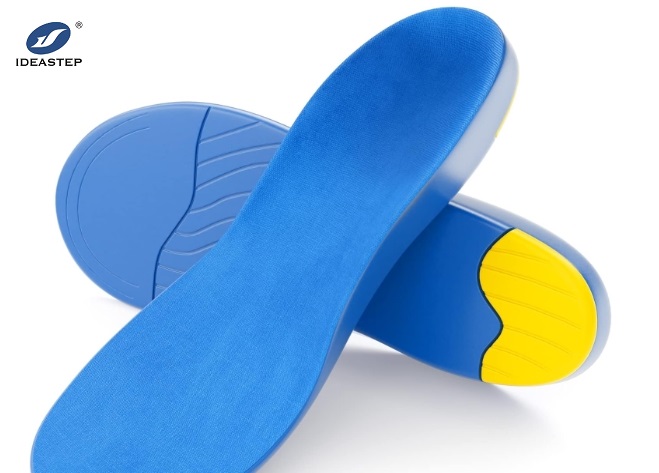
Walking shoes and wide casual styles give you the most flexibility when selecting prefabricated orthotics. Full-length dual-density orthotics work well for this segment, pairing a supportive arch frame with softer top cushioning. These versatile SKUs are recommended by clinics for general fatigue, mild plantar fasciitis and everyday foot strain. They also make a solid entry-level offering for retail and wellness catalogs.
Material and Modification Options For Multi-Channel Catalogs
Many prefabricated orthotic blanks can be adjusted chairside, a feature that adds real value for podiatry partners. Clinicians can trim edges, add heel lifts or attach metatarsal pads to refine fit, without moving patients to custom orthotics. For wholesale catalogs, tier your material grades by sales channel: cost-effective EVA core units for high-volume retail, medical-grade TPU reinforced shells for clinic dispensing, and moisture-wicking cooling topsheets for markets with warm climates. Batch traceability and consistent shell geometry are non-negotiable when supplying medical partners.
Testing Protocol Before Bulk Commitment
Sample validation should replicate the actual footwear your customers sell. Fit trials check heel lock, toe box clearance and whether the orthotic shifts during gait. Track compression performance after repeated loading cycles, especially for SKUs intended for work boots. If you serve EU markets, confirm orthotics marketed for therapeutic use carry the required test records and CE documentation. Skipping this step often leads to inconsistent feedback and compliance delays later in your supply chain.
FAQ
Can one prefabricated orthotic model work across all shoe types?
It rarely works well. A universal design will either fit too tight in slim formal shoes or lack the durability required for heavy-duty safety boots. Structuring your catalog by length, shell stiffness and thickness cuts fit-related returns for your resellers and clinic partners.
Are 3/4 prefabricated orthotics suitable for athletic applications?
They can be used for low-impact activity, but full-length orthotics deliver better control during running and side-to-side movement. 3/4 units lack forefoot stabilisation and are best reserved for tight footwear where full-length options cannot fit.
What prefabricated orthotic features matter most for safety footwear?
Resistance to compression set, stable heel cup geometry and a low-profile build that preserves steel-toe clearance. Antimicrobial and abrasion-resistant topsheets also reduce complaints from workers wearing boots for 8+ hours each day.
Can prefabricated orthotics be trimmed to fit different footwear?
Most medical-grade prefabricated blanks allow trimming along toe and perimeter edges. Share clear trimming guidelines with clinic clients, as over-trimming weakens arch support and disrupts biomechanical function.
How do I separate comfort-only prefabricated insoles from therapeutic orthotics in my catalog?
Use clear labeling and separate product documentation. Therapeutic orthotics require biomechanical test data and compliance paperwork, while comfort inserts follow less restrictive rules for retail sales. This distinction lowers liability for your brand and distribution partners.
Conclusion
Selecting prefabricated orthotics for different footwear comes down to matching orthotic profile, shell stiffness and thickness to each shoe’s internal volume and load requirements. A well-organized catalog with distinct SKUs for formal, athletic, work and casual footwear makes recommendations simpler for clinicians and resellers, while lowering return rates. Reach out to review sample sets, material specs and private label options to build a footwear-compatible orthotic range.
Related Reading: Application of prefabricated orthotics in insoles.