Many clinics and orthotic distributors default to generic unisex prefabricated orthotics for their core inventory. Female feet, however, are not just smaller versions of male feet. Narrower heels, proportionally wider forefeet, higher average arch profiles and greater ligament laxity create distinct biomechanical needs. Combine these traits with common footwear constraints like slim dress shoes, pumps and heeled styles, and it becomes easy to see why a dedicated women’s orthotic range cuts down on patient complaints and opens new dispensing opportunities. This guide draws from our manufacturing and clinical fitting experience to cover design priorities, SKU planning and sourcing considerations for your clinic catalog and private label lines.
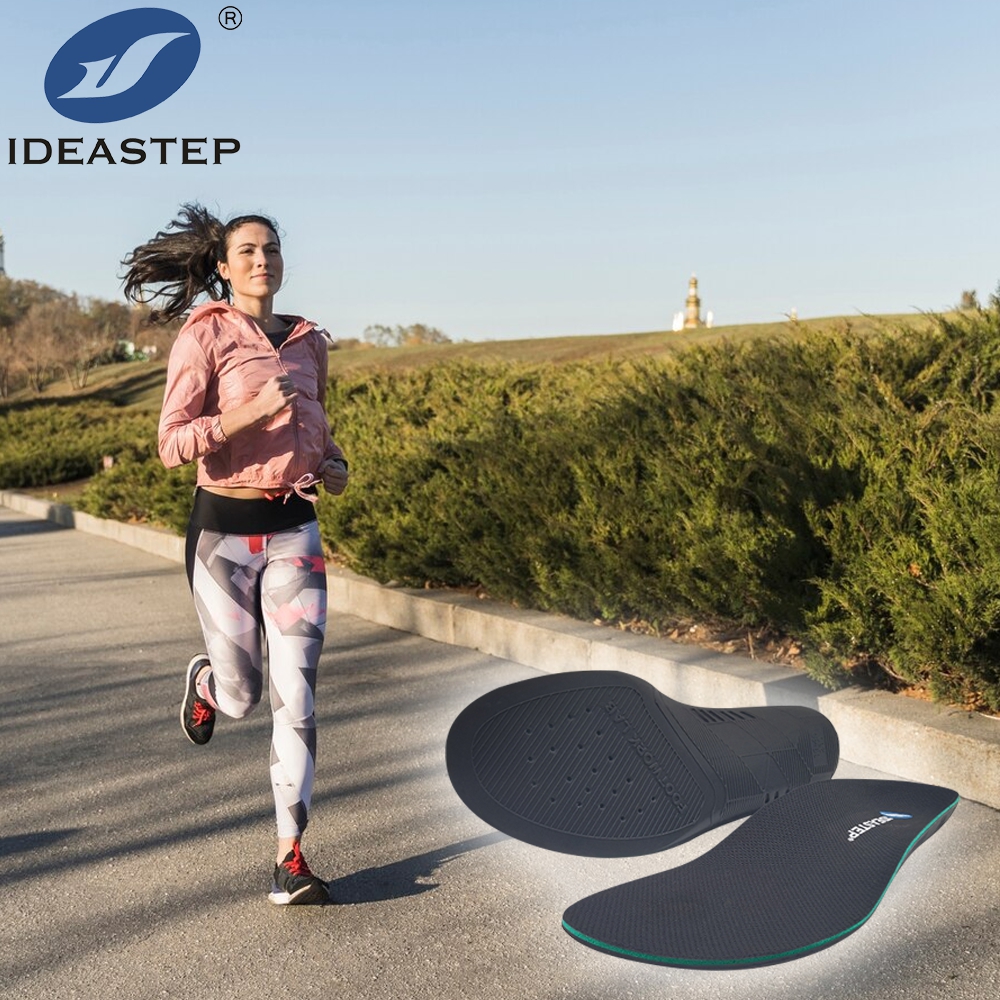
Anatomical Differences That Shape Orthotic Design
The most meaningful distinction lies in heel-to-forefoot proportion. Women often have a narrow heel paired with a relatively wide forefoot. Standard unisex shells frequently slip at the heel or crowd the metatarsal area, even when the length matches the foot size. Higher arch curvature and thinner fat pads also change load distribution. When paired with softer ligaments, these features make female patients more susceptible to bunion strain, metatarsalgia, Morton’s neuroma and arch fatigue, especially with regular heel wear. Orthotics built for this anatomy require a narrower heel cup, carefully calibrated arch contour and precisely positioned metatarsal dome, rather than simply scaling down a standard unisex shell.
Core Product Variants For Clinic Dispensing
Low-profile 3/4 orthotics for heeled and slim footwear
This variant sees the highest demand from clinic partners. Its slim shell, shallow heel cup and compact arch profile fit pumps, wedges and narrow dress shoes where full-length orthotics will not. The metatarsal dome sits low to avoid unwanted forefoot elevation. Clinicians often recommend this option for patients who need reliable support without switching their daily professional footwear.
Full-length women’s orthotics for athletic and everyday wear
Full-length models deliver stable arch control and consistent forefoot offloading for trainers, walking shoes and supportive casual footwear. Shell stiffness is calibrated to account for higher ligament laxity; overly rigid shells tend to create pressure points, while flexible dual-density constructions maintain alignment without discomfort. These work well for active patients and those managing plantar fasciitis or recurring overpronation.
Medical-grade custom women’s orthotics for complex presentations
Prefabricated women’s orthotics handle most routine cases, but patients with progressive bunion deformity, severe arch instability or post-surgical foot changes require scan-based custom units. Chairside adjustments such as trimming, heel lifts and adhesive pads extend the utility of prefabricated stock before custom fabrication becomes necessary. This tiered approach helps clinics manage patient pathways and preserve margins.
Material and Topsheet Selection For Women’s Orthotic Lines
Material choices should align with the shoe styles your clinic clients fit most often. Thin, firm EVA substrates form the base for low-profile orthotics made for heeled footwear. TPU reinforcement adds lasting arch support for high-use athletic and everyday SKUs. Cooling, moisture-wicking or antimicrobial topsheets add practical value for patients prone to sweating, while smooth low-friction fabrics reduce irritation around bunions and sensitive forefoot areas. Private label runs can include custom colour and finish options, though clinical performance remains the primary requirement for medical dispensing.
Structuring Your Clinic Catalog For Better Patient Matching
Group SKUs by footwear compatibility instead of only size. Label variants clearly for slim formal footwear, everyday walking and athletic use so clinicians can quickly select the right option during appointments. Use sizing aligned with standard women’s footwear scales, and offer incremental arch height options instead of one universal arch shape. Keep therapeutic orthotics separate from comfort inserts in all documentation. Therapeutic units require traceability, test records and CE documentation for EU sales, and this clear separation reduces liability for your clinic partners and your brand.
Bulk Sourcing and Validation Checks Before Ordering
When sourcing women’s orthotics, avoid suppliers that only shrink unisex shells without adjusting heel cup width and forefoot geometry. Request fit samples across small, medium and large sizes, and test them inside the shoe styles your customers supply. Verify batch consistency on arch height, heel cup width and compression set. If you offer private label, confirm the supplier can lock these anatomical specs across repeated production runs, not just on initial samples. Small pilot batches let clinic teams gather real feedback before rolling out the full range to all locations.
FAQ
What makes women’s orthotics different from smaller unisex orthotics?
They follow a different heel-to-forefoot ratio, not just a shorter length. Narrower heel cups and adjusted metatarsal dome placement reduce heel slip and forefoot crowding, two common issues when unisex shells are simply downsized.
Can women’s orthotics be used for high heels and dress pumps?
Only low-profile 3/4 variants work for heeled footwear. Thicker full-length orthotics will not fit and can alter foot posture in ways that increase strain. Clinicians should also share practical guidance on safe heel height limits alongside orthotic use.
Which conditions respond best to women’s prefabricated orthotics?
They suit metatarsalgia, mild plantar fasciitis, arch fatigue and forefoot strain triggered by narrow footwear. Complex deformities, severe bunions or post-surgical cases usually require scan-based custom orthotics.
What testing should I ask suppliers to provide for clinic-grade women’s orthotics?
Ask for compression set, shore hardness, lamination durability and biocompatibility reports. If marketed as therapeutic orthotics, secure batch traceability and all relevant compliance documentation for your target markets.
Can I add private label branding to this orthotic range?
Yes. Branding can be applied to shells, topsheets and packaging while keeping the anatomically tuned geometry unchanged. We recommend locking these anatomical specs into your sample approval form to prevent design drift in later production.
Conclusion
A purpose-built women’s orthotic range addresses the unique anatomical traits and footwear challenges female patients face, rather than forcing them into unisex designs. Combining low-profile 3/4 options, full-length everyday variants and scan-based custom orthotics gives clinics a flexible dispensing workflow that lifts patient satisfaction and repeat orders. Reach out to review sample sets, material specs and private label terms to build this specialised segment for your orthotic catalog.
Related Reading:
Developing Orthotics for Women with Customized Support Structures
Best insoles for standing all day Women’s