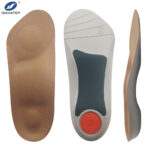
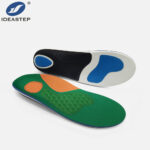
Custom fitted insoles stabilize foot alignment under load, and this function separates clinical orthotics from ordinary comfort inserts. Many clinics and distributors overlook how small structural choices change stability. Two insoles with identical arch height can perform very differently if heel shape, posting and shell stiffness are poorly calibrated. Drawing from our orthotic fabrication and clinical fitting experience, this article breaks down core design principles, validation steps and sourcing considerations for clinic and private label lines.
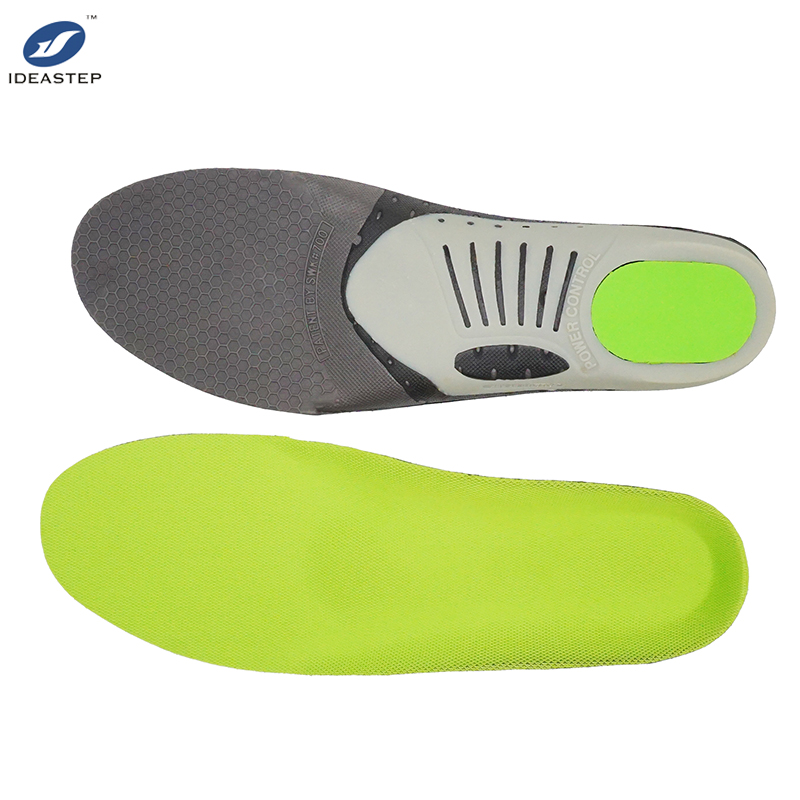
Structural Features That Deliver Reliable Stability
Stability does not depend on arch height alone. These key components work together to control foot motion:
- Heel cup – Holds the calcaneus and limits inversion or eversion. Shallow, loosely contoured cups fail to stabilize the rearfoot, even when the arch profile looks correct.
- Medial arch support – Bears load under the navicular bone, not just filling empty space. Its apex must match the foot’s neutral subtalar position to avoid pressure spikes and gait compensation.
- Posting – Rearfoot or forefoot posts apply gentle corrective force. Angles are set based on gait assessment, foot type and clinical diagnosis, rather than a universal preset.
- Metatarsal relief – Spreads pressure across the forefoot and prevents localized overload, without disrupting natural roll-off during walking.
Material Selection Matched to Clinical Support Needs
Shell stiffness is the primary driver of correction, and material stacks are built around the intended use case:
- Rigid polypropylene / carbon composite shells – Used for firm, consistent correction, ideal for symptomatic flat feet and severe overpronation.
- Semi-rigid EVA blends – The most common clinic option. They hold shape for alignment while absorbing moderate impact and staying comfortable for daily wear.
- Soft topcover foams – Manage pressure distribution and reduce shear. These layers add comfort but cannot replace the structural shell responsible for alignment control.
- Total-contact layered construction – Reserved for diabetic or sensitive feet, with seamless surfaces to remove sharp pressure peaks while preserving stability.
- Lightweight fatigue-resistant composites – Preferred for athletic applications, maintaining shape through repeated stride cycles.
Scanning, Gait Data and CAD Calibration
Static foot scans only capture one snapshot. Stable orthotic design relies on combined inputs:
- 3D foot mapping to capture foot geometry
- Pressure plate data to identify high-load zones
- Gait analysis to observe dynamic movement patterns
Scanning is completed with the foot positioned in neutral alignment, so the digital model reflects the corrected posture the orthotic will maintain. Our team adjusts heel cup depth, post angles, arch length and relief zones in CAD before production. Many wholesale partners use validated parametric templates to cut lead times, while still adjusting parameters for distinct patient groups. This hybrid workflow fits private label programs well, balancing clinical customisation with repeatable bulk manufacturing.
Prototype Testing and Clinical Validation
Before mass production, prototypes go through fit trials to verify three core outcomes:
- Consistent rearfoot control
- No painful pressure points
- Uninterrupted natural gait roll-off
Fit feedback often leads to small refinements: lowering the arch apex, adjusting post angles, smoothing shell edges or reshaping forefoot relief. These tweaks heavily influence long-term wear and stability. Once a prototype passes clinical review, we lock a master sample for QC reference. This prevents design drift across batches. Stability testing also includes accelerated cycle checks to confirm the shell will not soften or deform after thousands of load cycles.
Building Wholesale Custom Insole Lines for Clinic Dispensing
When rolling out a custom fitted insole program for distribution, structure your SKUs by support grade and clinical use case. Clear tiers help clinicians quickly select the right variant:
- Rigid corrective orthotics for severe alignment issues
- Semi-rigid general support for routine foot fatigue and mild overpronation
- Pressure-relief variants for high-risk, sensitive feet
Footwear compatibility is built into each design. Low-profile versions fit dress shoes, while thicker reinforced shells work with trainers and work boots. Private label customisation includes structural adjustments, colour coding, logo printing and custom packaging. We also provide supporting educational materials for clinic fitters, so teams understand how each design feature impacts patient alignment.
FAQ
What makes a custom fitted insole stable, compared to over-the-counter arch supports?
Stable custom orthotics use calibrated heel containment, targeted posting and shell stiffness matched to the patient’s gait. Off-the-shelf inserts mostly add cushion or generic arch fill, without consistent control of rearfoot movement.
Is a rigid shell always better for stable foot support?
No. Rigid shells deliver maximum correction, but they are not suitable for every patient. Semi-rigid designs provide enough stability while allowing controlled foot motion, and they are better tolerated for long daily wear.
Can custom insoles be adjusted after fabrication if stability feels insufficient?
Minor chairside modifications are possible, including grinding posts or adding pad layers. Major changes to arch geometry or heel cup depth require a revised scan and new fabrication.
What documentation should accompany clinical-grade custom fitted insoles?
You should receive material safety data, biocompatibility reports, batch traceability records and relevant CE marking files for therapeutic orthotics sold in regulated markets.
Can we combine custom fitted insoles with our existing brace product range?
Yes. Many clinic partners pair custom insoles with ankle stabilisers and knee orthoses to deliver full lower-limb alignment protocols. We can align specs and packaging for cohesive product lines.
Conclusion
Stable foot support comes from balanced design, not just a high arch. Custom fitted insoles rely on integrated heel control, carefully positioned posting and stiffness matched to clinical goals. With structured scanning, prototype validation and consistent batch QC, these orthotics help clinics manage foot alignment reliably. Reach out to discuss scan workflow, sample validation and private label options for your custom insole program.
Explore More: How to Choose EVA and PP Arch Support Insoles for Sports Footwear Brands.