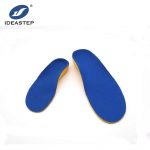
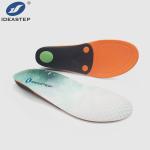
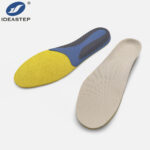
Custom orthotics deliver personalised foot support shaped to individual biomechanics, separating them from generic off-the-shelf inserts. For podiatry clinics, physiotherapy practices and footwear brands, prescription custom orthotics form a high-value service line that addresses unique gait patterns, foot deformities and footwear constraints. Many partners struggle to source manufacturing support that balances clinical precision, material flexibility and scalable production. This article outlines key factors for integrating custom orthotics into your clinic service or branded product portfolio.
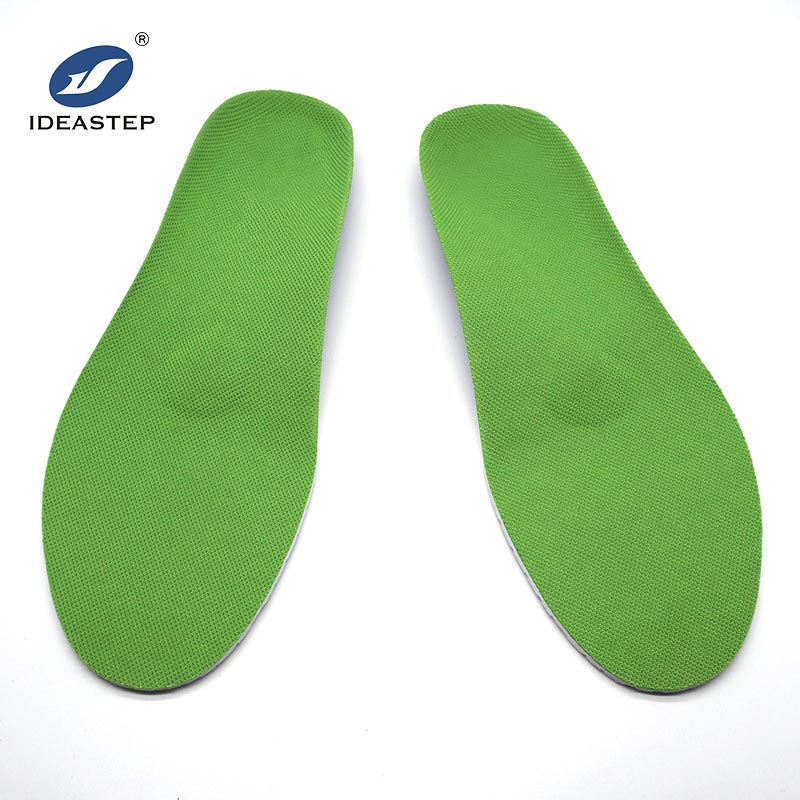
1. Capture Accurate Foot Data to Secure Consistent Clinical Outcomes
Every reliable custom orthotic starts with precise foot measurement. Clinicians commonly use 3D foot scanning, plaster casting or dynamic pressure mapping to capture foot geometry and load distribution. Each method has clear use cases: 3D scanning generates fast, repeatable digital files suited for CNC milling and 3D printing, while plaster casting remains preferred for complex presentations including rigid deformities and high-risk diabetic foot cases.
Raw scan or cast data alone is insufficient. Your manufacturer must interpret measurements alongside podiatric assessment notes, adjusting arch height, heel cup depth and posting angles to match the written prescription. Applying generic templates to custom foot scans compromises correction and increases patient complaints.
2. Select Materials Aligned With Clinical Goals and Footwear Type
Material selection directly determines support stiffness, cushioning and service life. PP shells, carbon fibre, EVA, cork, PU and medical-grade foams each serve distinct clinical needs. Rigid PP or carbon fibre shells provide firm biomechanical control to limit overpronation and stabilise the rearfoot. Semi-rigid dual-density EVA and cork suit sports orthotics and mild correction, balancing stability and shock absorption. Soft accommodative foams are reserved for pressure redistribution, diabetic feet and sensitive soft tissue.
Footwear fit must guide design. Orthotics built for work boots can accommodate thicker substrates, while those for dress shoes require slim, low-profile construction to avoid crowding inside the shoe.
3. Pick a Manufacturing Workflow That Matches Your Business Model
Three established production methods dominate B2B custom orthotic supply: CNC milling, 3D printing and vacuum thermoforming. CNC milling is widely adopted by orthotic labs for consistent shell geometry from digital scan files. 3D printing enables intricate lattice structures, lightweight designs and efficient low-volume prescription runs. Vacuum thermoforming remains cost-effective for semi-custom ranges and heat-adjustable orthotics.
Clinic buyers typically prioritise fast prescription turnaround. Footwear brands need repeatable sampling, private label packaging and stable batch consistency across larger orders. Confirm your supplier accepts your input format, whether you send digital scan files remotely or ship physical casts to their lab.
4. Develop Private Label Custom Orthotic Programmes
Private label custom orthotics help clinics and footwear brands differentiate their offerings. Available options include branded top covers, custom packaging, colour-coded support tiers and layered material builds tailored to your product positioning.
A well-run private label programme lets clinics dispense orthotics under their own brand instead of referring patients to external labs. Footwear brands can bundle custom orthotics with premium trail, safety or outdoor footwear to justify higher pricing. Confirm intellectual property terms, branding rules and minimum order requirements before launch.
5. Control Compliance, Traceability and Regulatory Classification
Orthotics marketed for therapeutic correction fall under medical device regulations across the EU, UK and other regulated markets. CE marking, ISO certification, biocompatibility testing and full batch traceability are mandatory for medical-grade products. Footwear-only custom inserts carry lighter requirements and may only use comfort-focused claims.
Your supplier should provide material datasheets, test reports and batch records for audits. Clear separation between corrective prescription orthotics and comfort accommodative inserts prevents misclassification and reduces regulatory risk for your clinic or brand.
6. Implement Standardised QC and Fitting Protocols
Even well-engineered orthotics can fail without proper fitting and follow-up. A trusted supplier will support post-production trimming, edge finishing and adjustment guidance. Sharp edges, uneven posting and excessive bulk are avoidable issues that often lead to patient rejection.
Establish sample validation for new material stacks, scan workflows and product lines. Test orthotics in your target footwear, review pressure distribution and gather feedback from treating clinicians before rolling out the service to patients or retail customers.
Quick Checklist for Custom Orthotic Partnerships
- Data capture compatibility: 3D scan, plaster cast or pressure mapping workflows
- Material portfolio: rigid shells, semi-rigid substrates and accommodative foams
- Production capability: CNC milling, thermoforming or 3D printing
- Regulatory documentation: CE, ISO, biocompatibility and batch traceability
- Branding options: private label, custom packaging and custom top covers
- Turnaround times, sampling MOQ and technical prescription support
Custom orthotics are clinical devices, not simple shaped foam and plastic. Reliable prescription, precise manufacturing and structured quality systems lower return rates, build clinician trust and create sustainable high-margin revenue.
Final Takeaway
Custom made orthotic insoles deliver tailored foot support for clinics and footwear brands. Successful sourcing relies on accurate foot data, purpose-matched materials, suitable manufacturing processes and robust regulatory controls. The right manufacturer adapts to your workflow, whether you operate an in-house podiatry lab or develop premium footwear with integrated custom orthotic solutions.
If you are launching a custom orthotic programme for your clinic network or footwear brand and require prescription-grade milling blanks, private label orthotics or certified medical material stacks, contact our team to review your workflow and arrange validated samples.
Related Post: Insoles Custom Made to Prescription Brandable Orthotics for Clinics and Distributors.