1. Types of Custom Shoe Inserts
Different applications require different levels of cushioning and structural support. Buyers should select a design based on the intended use rather than treating all shoe inserts as interchangeable.
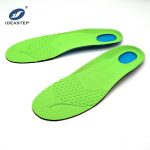
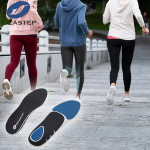
Custom Orthotic Insoles
Custom orthotic insoles are developed around defined foot characteristics and functional requirements. Depending on the project, the design may use foot scans, impressions, reference samples, or technical drawings.
Features may include a shaped arch profile, heel cup, cushioning zones, or a semi-rigid support shell. For clinical applications, the design should follow the relevant professional assessment and intended use.
Cushioning Shoe Inserts
Cushioning inserts focus on underfoot comfort and shock absorption. EVA foam, polyurethane foam, memory foam, and selected gel components are common material options.
These products are used in everyday shoes, work footwear, and general comfort ranges. Their performance depends on material properties, thickness, construction, and available space inside the shoe.
Semi-Rigid and Rigid Inserts
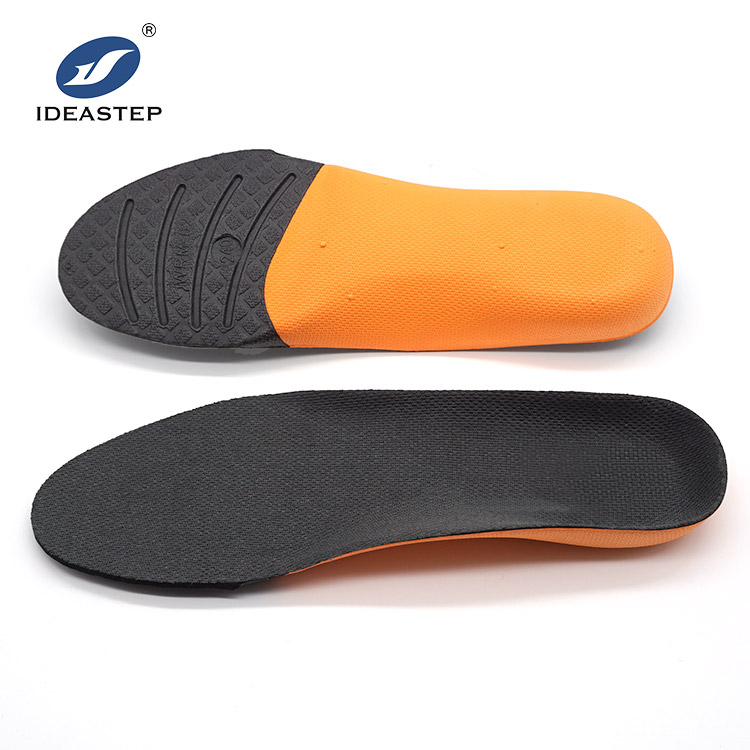
Semi-rigid and rigid inserts use structural materials to provide a more defined shape. Thermoplastic materials such as TPU may be incorporated into the design, depending on the required stiffness and flexibility.
The appropriate structure depends on the application, shoe type, and design requirements. Greater rigidity does not automatically mean better performance.
Inserts for Sports, Work, and Everyday Footwear
Sports insoles may require a balance of cushioning, stability, and secure fit. Work footwear often calls for durable materials, while everyday shoes may need a thinner profile to preserve internal space.
For wholesale buyers, identifying the target footwear early helps narrow material choices and reduces unnecessary sampling.
2. Choosing Materials for Custom Shoe Inserts
Material selection affects weight, cushioning, flexibility, durability, and cost. Buyers should compare materials based on the finished product’s requirements, not just the material name.
EVA Foam
EVA foam is widely used in insole manufacturing because it is lightweight and available in different hardness levels and densities. It can be cut, shaped, or molded into various profiles for cushioning and support applications.
When ordering custom EVA inserts, specify the required hardness, density, thickness, color, and intended use.
Polyurethane Foam
Polyurethane foam offers cushioning options for different insole constructions. Its performance varies with formulation, density, and manufacturing method.
For bulk orders, evaluate samples under comparable conditions and confirm that the selected material meets the product specification.
TPU and Other Structural Materials
TPU and other structural materials can be used in support shells or specific components where a defined shape or greater structural stability is required.
The material’s stiffness, thickness, and shape should be assessed alongside the cushioning layers to ensure that the finished insert fits the intended footwear.
Top Covers and Composite Materials
Top covers made from mesh, textile, microfiber, or other suitable materials affect surface feel, friction, appearance, and moisture management.
Layered constructions can combine cushioning foam, structural components, and a top cover. However, additional layers also affect overall thickness, bonding requirements, and cost.
3. Key Design Requirements
A clear product specification helps manufacturers produce samples accurately and maintain consistency during bulk production.
Arch Profile and Heel Cup
The arch profile and heel cup should match the intended design and application. Buyers can provide drawings, reference samples, scan data, or dimensional specifications to communicate their requirements.
For clinic-related products, avoid assuming that one standardized design suits every patient.
Thickness and Hardness
An insert that is too thick may reduce shoe space or affect heel retention. Material that is too soft or too firm may also fail to meet the intended performance requirements.
Specify thickness and hardness, including acceptable tolerances where necessary. For designs with different cushioning zones, identify the location and required properties of each zone.
Size and Footwear Compatibility
Confirm the size range, dimensions, and whether the insert is designed to be trimmed. Test samples in representative shoes, particularly when developing products for dress shoes, safety footwear, or other styles with limited internal space.
Finish and Bonding
Check the top-cover attachment, edge finishing, logo placement, and surface quality before approving the sample. For multi-layer inserts, bonding consistency is important to product integrity and service life.
4. OEM and ODM Customization Options
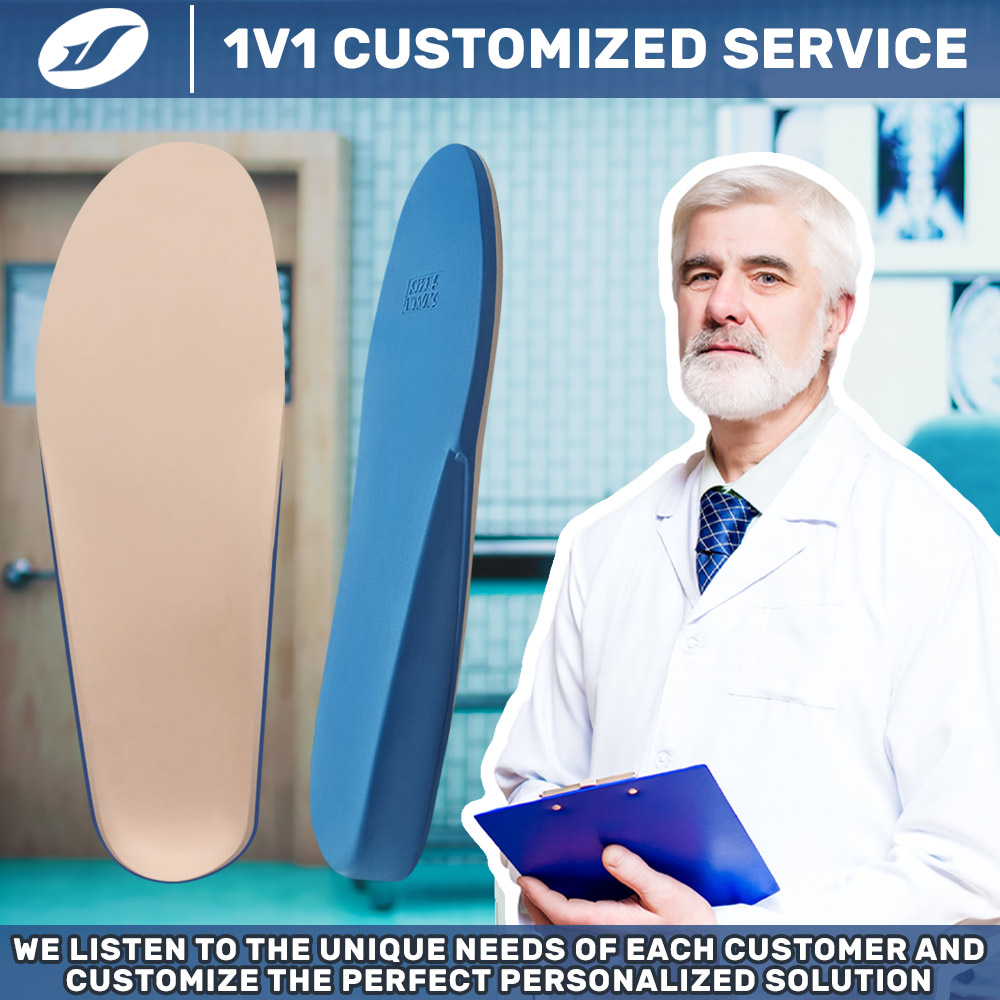
OEM and ODM services allow clinics, distributors, and footwear brands to develop products around their own specifications.
OEM Manufacturing
OEM projects typically follow the buyer’s drawings, reference samples, technical specifications, or agreed product requirements. Custom options may include materials, dimensions, construction, colors, logos, and packaging.
This approach suits buyers who already have a defined product design.
ODM Development
ODM projects use an existing design or the manufacturer’s development capabilities as a starting point. Selected features can be adjusted to suit a target market or footwear application.
Before development begins, agree on the design scope, sample requirements, revision process, and final approval criteria.
Private-Label Branding
Depending on the product and order quantity, customization may include:
- Printed or embossed logos
- Custom colors and top-cover fabrics
- Size labels and product markings
- Retail boxes or bulk packaging
Confirm branding and packaging requirements before production to avoid last-minute changes.
5. Quality Control Before Bulk Production
A sample should be checked against the agreed specification, not just its appearance. Buyers should establish acceptance criteria before placing a bulk order.
- Material and dimensions: Verify material type, hardness, density, thickness, dimensions, and visual consistency where applicable.
- Construction and bonding: Inspect layer alignment, adhesive bonding, edge finishing, surface defects, and logo placement.
- Performance: Depending on the design, checks may include compression recovery, flexibility, bonding strength, or repeated-load testing. Agree on the test method and acceptance criteria in advance.
- Sample approval: Keep a record of the approved sample and final specifications. Any changes to materials or construction should be reviewed before implementation.
For products intended for medical use, additional regulatory and documentation requirements may apply depending on the product and target market. Buyers should verify the applicable requirements before making medical claims or placing an order.
6. MOQ, Pricing, and Lead Time
Custom insole pricing depends on material selection, product dimensions, construction complexity, tooling, branding, packaging, and order quantity. Minimum order quantities vary according to the product and level of customization.
To obtain a useful quotation, provide:
- Product type and intended application
- Target footwear and size range
- Material preferences, thickness, and hardness
- Drawings, reference samples, or product images
- Estimated order quantity
- Logo and packaging requirements
- Destination market and shipping location
Lead time may include sampling, design revisions, tooling, material preparation, production, inspection, and shipping. Confirm the schedule and approval deadlines with the manufacturer before ordering.
7. How to Choose a Custom Shoe Insert Manufacturer
Price matters, but it should not be the only factor in supplier selection. Buyers should assess the manufacturer’s ability to meet product specifications and maintain consistency across repeat orders.
- Product experience: Experience with the required materials, structures, and footwear applications.
- Customization capability: Support for OEM/ODM development, material selection, and sample revisions.
- Quality procedures: Clear inspection standards for materials, dimensions, bonding, and finished products.
- Communication: Written specifications, documented sample approval, and a defined process for handling changes or defects.
- Supply consistency: The ability to reproduce the approved design across future orders.
A supplier that clarifies technical requirements before quoting can help identify potential issues earlier in the development process.
8. Frequently Asked Questions
What Is the Difference Between Custom Shoe Inserts and Standard Insoles?
Standard insoles generally follow predefined designs and sizes. Custom shoe inserts can be adjusted or developed according to specific requirements for dimensions, materials, construction, or branding. The degree of customization depends on the project.
Can Podiatry Clinics Order Private-Label Inserts?
Private-label options may be available depending on the product and order quantity. Buyers should confirm logo placement, packaging, labeling, and minimum order requirements before production.
What Do I Need for a Custom Insole Quotation?
Provide the intended application, target footwear, size range, material preferences, estimated quantity, and customization requirements. A drawing or physical sample can help the manufacturer assess the project.
Can I Customize Materials and Support Structures?
Depending on the design, options may include EVA or PU foam, top-cover fabrics, thickness, arch profiles, heel cup shapes, and structural components. Material compatibility and shoe fit should be confirmed during sampling.
How Can I Reduce Bulk Order Risks?
Use a written specification, approve a representative sample, agree on quality standards, and document any design or material changes. These steps help reduce misunderstandings between sampling and production.
Conclusion
Custom shoe inserts require the right combination of materials, structure, footwear compatibility, and quality control. For podiatry clinics and wholesale partners, defining these requirements before sampling makes product development and bulk purchasing more manageable.
Ideastep supports B2B customers with custom orthotic insole development, OEM/ODM manufacturing, and wholesale supply.
To discuss a project, share your target footwear, material preferences, size requirements, estimated quantity, and any available drawings or samples. This information provides a practical starting point for evaluating feasibility and preparing a quotation.
Related Post: Wholesale custom shoe inserts company for shoes maker.