EVA and TPR are two popular materials used in shoe sole manufacturing. EVA is known for lightweight cushioning and comfort, while TPR offers better durability and grip. The right choice depends on the footwear design, usage environment, and required performance.
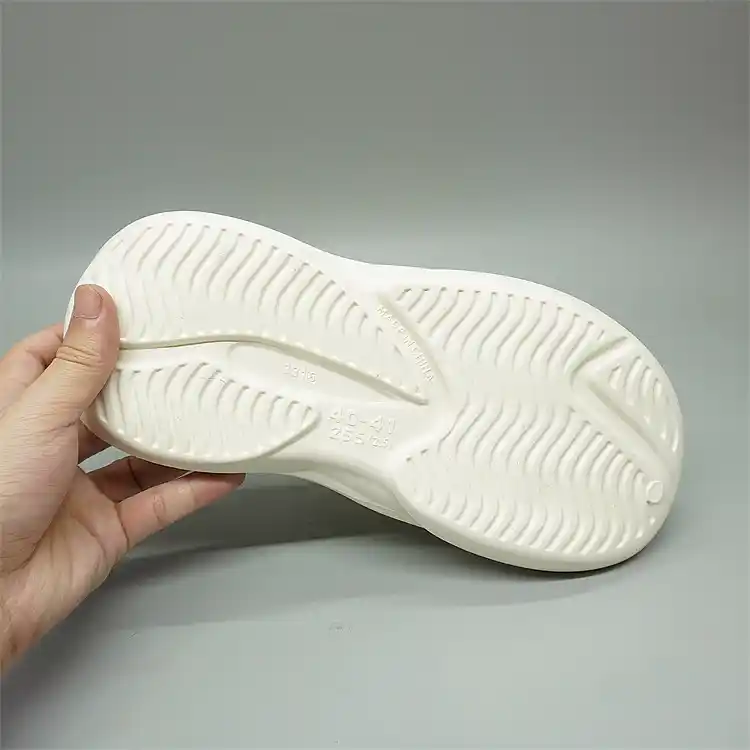
What Is an EVA Sole?
EVA sole is made from Ethylene Vinyl Acetate, a lightweight foam material known for cushioning, flexibility, and shock absorption.
The foam structure of EVA helps reduce weight while providing a softer underfoot feel, making it widely used in footwear where comfort is a priority.
Common applications include:
- Running shoes
- Walking shoes
- Casual footwear
- Sports shoes
- Comfort footwear
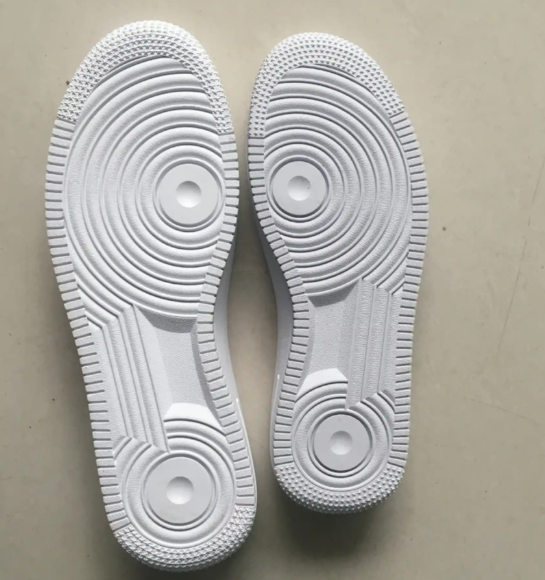
What Is a TPR Sole?
TPR sole is made from Thermoplastic Rubber, a material that combines flexibility with good durability and wear resistance.
Compared with EVA, TPR has a denser structure and is often selected for footwear that requires stronger traction and longer service life.
Common applications include:
- Outdoor footwear
- Work shoes
- Children’s shoes
- Fashion footwear
EVA Sole vs TPR Sole: Key Differences
Weight and Comfort
EVA soles are lighter because of their foam structure, making them suitable for footwear where comfort and reduced weight are important.
TPR soles are generally denser and provide a firmer feel, which can improve stability and durability.
Cushioning Performance
EVA provides excellent cushioning due to its cellular structure, which helps absorb impact during walking, running, and daily activities.
TPR offers good flexibility but usually provides a firmer underfoot experience compared with EVA foam.
Durability and Wear Resistance
TPR soles often have better wear resistance because of their rubber-like properties, making them suitable for frequent outdoor use.
EVA focuses more on lightweight comfort. Over long periods of compression, its cushioning performance may gradually change depending on material density and formulation.
Grip and Slip Resistance
TPR soles generally provide better traction because their surface characteristics allow stronger contact with the ground.
EVA soles can provide good grip for casual and indoor applications, while outsole patterns or additional materials may be used when higher traction is needed.
EVA Sole vs TPR Sole Comparison Table
| Feature | EVA Sole | TPR Sole |
|---|---|---|
| Material | Ethylene Vinyl Acetate foam | Thermoplastic Rubber |
| Weight | Lightweight | Generally heavier |
| Cushioning | Excellent shock absorption | Good, firmer feel |
| Durability | Good for comfort applications | Higher wear resistance |
| Grip | Good | Usually better traction |
| Best Choice | Comfort and lightweight footwear | Durable and outdoor footwear |
Which Sole Material Should You Choose?
The choice between EVA and TPR depends on the purpose of the footwear.
Choose EVA sole when:
- Lightweight comfort is the main priority
- Soft cushioning is required
- The footwear is designed for walking, running, or daily wear
Choose TPR sole when:
- Better durability is needed
- Higher grip and wear resistance are important
- The footwear is used outdoors or in demanding environments
Can EVA and TPR Be Used Together?
Yes. Many footwear designs combine EVA and TPR to balance comfort and durability.
For example, EVA can be used in the midsole to provide lightweight cushioning, while TPR can be used in the outsole to improve wear resistance and grip.
Conclusion
EVA and TPR soles each have their own advantages. EVA is ideal for lightweight comfort and cushioning, while TPR is better suited for durability, traction, and long-term wear.
The best sole material depends on the footwear application, design requirements, and expected performance.
Related Articles: EVA Sole vs Rubber Sole: A Complete Guide to Shoe Sole Materials.