Flat foot orthotics require careful attention to arch geometry, support structure, and material selection. Although these products share a common design focus, manufacturers can create substantial differences through construction. Arch height, heel cup shape, material hardness, and overall thickness all influence the final design.
For orthotic suppliers and footwear distributors, the challenge lies in building a product range with clear structural differences. A well-planned range should offer more than several models with minor cosmetic changes. Instead, it should include distinct support profiles, material combinations, and construction options that address different market requirements.
1. Understanding Different Flat Foot Orthotic Designs
Flat feet generally refer to a foot structure with a reduced or less defined medial longitudinal arch. The degree of arch lowering varies, and the underlying structure may remain flexible or become more rigid.
This variation directly influences orthotic design. Flexible arch support insoles and semi-rigid orthotic shells serve different design purposes. They differ in material selection, structural stability, and intended applications.
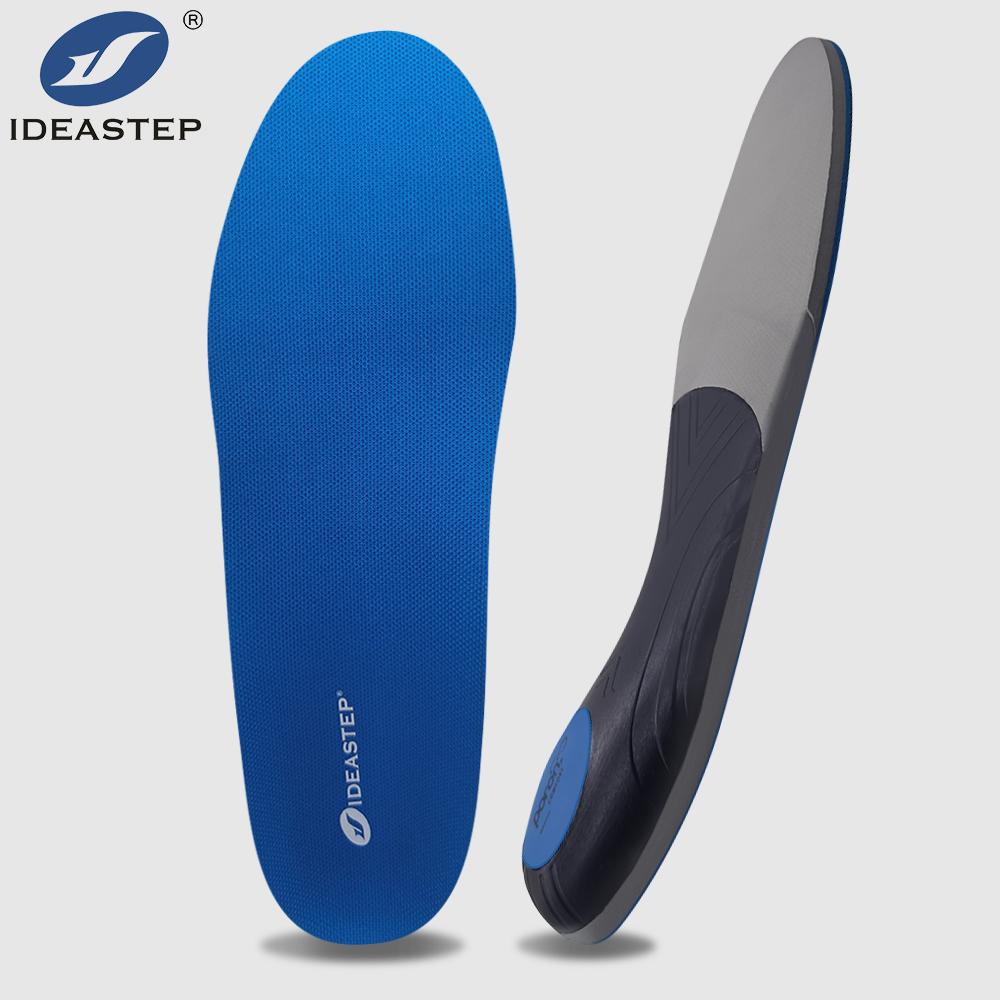
From a product development perspective, flat foot orthotics generally fall into four main categories:
- Flexible arch support insoles: Manufacturers typically use flexible EVA or foam-based materials with a defined arch contour.
- Semi-rigid orthotics: These designs combine a supportive base with cushioning layers to create a balanced structure.
- Rigid support designs: Firmer shells or structural components help these models maintain a more defined shape.
- Heat-moldable orthotics: These products use materials that manufacturers can heat and reshape under specified processing conditions.
These categories provide a practical starting point for product planning. However, each design still needs its own technical specifications. One arch profile or material combination cannot cover every flat foot application.
2. Arch Geometry and Structural Design
The arch defines much of an orthotic insole’s structure, but its design involves more than simply increasing insole height. Arch position, length, contour, and firmness all contribute to the finished construction.
Arch Height and Contour
Manufacturers should develop arch height in relation to the overall insole geometry. A higher profile does not automatically create a better design. The arch position and contour also need to match the intended product specifications.
Manufacturers can develop several arch profiles with different heights and shapes to create a more differentiated product range. Consistent measurements also help production teams transfer approved designs from samples to mass production.
Arch Length and Position
The length and position of the arch section determine how it connects with the heel and forefoot areas. Abrupt contour changes can disrupt the overall shape and complicate production.
Technical drawings should specify the arch’s starting point, ending point, height, and main contour. These details give production teams a clear reference for tooling, sample development, and inspection.
Heel Cup and Rearfoot Structure
The heel cup contributes to the overall geometry and stability of the insole. Its depth, width, and sidewall shape need to work alongside the arch profile.
Some designs feature a deeper heel cup and a firmer base, while others use a lower-profile structure to fit footwear with limited internal space. Manufacturers should confirm the final dimensions against the target shoe specifications.
Transitions Between Support Areas
The arch, heel, and forefoot sections should form a consistent structure. Sudden changes in thickness or material hardness can create uneven transitions and make production more difficult.
Well-defined contours and controlled material thickness help manufacturers reproduce the design consistently across production batches.
3. Material Options for Flat Foot Orthotics
Material selection should follow the required support structure and product specifications. Density, hardness, compression behavior, flexibility, and dimensional stability all deserve attention during material evaluation.
EVA for Flexible and Multi-Density Designs
EVA plays a major role in orthotic insole production because manufacturers can choose from different densities, hardness levels, and thicknesses. Depending on the design, EVA can serve as a cushioning layer, base material, or part of a multi-density construction.
Different EVA specifications create noticeable differences in product firmness and structural response. Manufacturers can also combine materials with different hardness levels to develop more defined support and cushioning zones.
When sourcing EVA components, buyers should confirm the following specifications:
- Density and hardness
- Thickness and dimensional tolerance
- Compression and rebound properties
- Color and surface finish
- Consistency between production batches
PP and TPU for Structural Components
Manufacturers commonly use polypropylene (PP) in rigid and semi-rigid orthotic shells. Its structural properties make it suitable for components that need to retain a defined shape.
Thermoplastic polyurethane (TPU) offers a different balance of flexibility and support. Depending on the formulation and component design, manufacturers can use it in selected reinforcement structures.
Both materials work with EVA or foam layers in multi-component constructions. Manufacturers should determine shell thickness, length, and contour as part of the complete insole design rather than specifying each feature independently.
PU and Foam for Cushioning Layers
Manufacturers use PU and other foam materials in cushioning sections. Their performance varies according to formulation and density, so buyers should evaluate compression and recovery properties before finalizing the material combination.
In layered constructions, the cushioning material must complement the supporting base. A softer layer alone cannot compensate for an unsuitable structural design.
Top Cover Materials
Microfiber, polyester fabric, and suede-like materials offer common options for insole top covers. Each option affects surface appearance, abrasion resistance, bonding compatibility, and product positioning.
Buyers should confirm top cover specifications before production starts. Changes in fabric type, thickness, or bonding method can affect the finished appearance and consistency between batches.
4. Three Product Development Directions for Wholesale Ranges
A well-organized product range should distinguish models through their construction and material properties. The following three directions provide a practical framework for developing different flat foot orthotic products.
Flexible Arch Support
Flexible designs generally use EVA or foam-based constructions with a defined but less rigid arch profile. Their main design variables include material hardness, overall thickness, arch contour, and top cover selection.
Manufacturers can develop these models in different density options and size ranges while keeping the core construction consistent. This approach suits product lines that need several variations under a shared design platform.
Semi-Rigid Orthotic Construction
Semi-rigid designs combine a structural component with cushioning layers. A PP or TPU shell can provide the main support structure, while EVA or foam forms the surrounding layers.
Shell length, thickness, contour, and bonding position all affect the finished construction. Development teams should define these details early to maintain consistency between approved samples and production orders.
Rigid and Heat-Moldable Designs
Some orthotic ranges require a firmer support structure or materials that manufacturers can reshape through a controlled molding process. These products need clear material specifications and well-defined processing conditions.
For heat-moldable designs, manufacturers should follow the material supplier’s technical requirements for forming temperature, heating time, molding method, and cooling procedure. Importantly, not every rigid material supports heat molding.
5. Footwear Compatibility and Product Dimensions
Footwear dimensions directly influence insole design. A structure developed for a sports shoe may not fit a work boot or a low-volume casual shoe without adjustments.
During product development, manufacturers and buyers should review several key measurements:
- Internal shoe volume: Determines the available space for the insole and its structural components.
- Heel depth: Influences compatibility with different heel cup designs.
- Toe-box dimensions: Affect the forefoot outline and insole width.
- Original insole thickness: Helps establish the available space for replacement or additional components.
- Footwear construction: Influences the required flexibility, shape, and thickness of the orthotic insert.
Each product model needs a defined footwear application and dimensional specification. This approach reduces unnecessary overlap between models and gives both parties a more reliable basis for sample approval.
6. Manufacturing Methods and Production Control
Manufacturers select production methods according to the material, product geometry, order volume, and required dimensional accuracy. They may also combine several methods within one production line.
Compression Molding and Forming
Manufacturers can use controlled molding processes to shape suitable materials into defined contours and thickness profiles. Temperature, pressure, forming time, and cooling conditions all influence the final dimensions.
Stable process parameters help production teams limit variation between batches, particularly when a design includes complex arch and heel contours.
CNC Milling
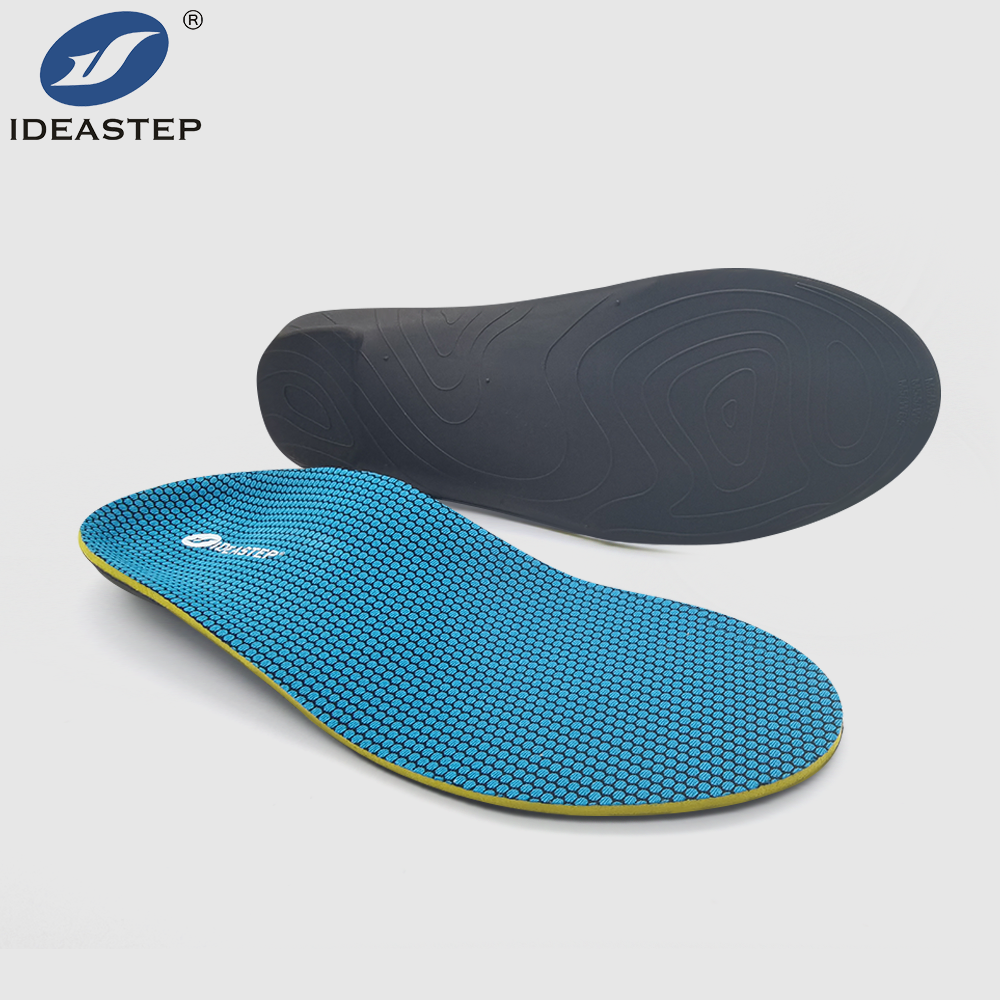
CNC milling uses digital design files to shape suitable foam materials. This method allows manufacturers to produce customized arch profiles, heel contours, and thickness variations with controlled dimensions.
Digital files also give production teams a repeatable reference when a project requires several structural versions or adjustments to an existing design.
Die Cutting and Layer Assembly
Manufacturers commonly use die cutting to produce repeatable outlines and individual material components. Production teams can then bond and assemble the cut layers into multi-layer orthotic constructions.
During assembly, manufacturers need to control component positioning, adhesive application, bonding strength, and edge finishing. These details directly affect finished product consistency.
7. Technical Specifications to Confirm Before Bulk Orders
Incomplete specifications often lead to repeated sample revisions and delays before mass production. A clear technical brief helps both parties define the project scope and maintain a consistent reference throughout production.
For flat foot orthotics, buyers and manufacturers should confirm the following details:
| Specification | Details to Confirm |
|---|---|
| Product structure | Flexible, semi-rigid, rigid, or heat-moldable |
| Arch design | Height, length, contour, and support position |
| Heel construction | Heel cup depth, width, and material |
| Material | EVA, PU, PP, TPU, foam, and top cover options |
| Dimensions | Length, width, thickness, and size range |
| Footwear application | Sports shoes, casual shoes, work boots, or other specified footwear |
| Branding and packaging | Logo, color, labeling, and packaging format |
| Order requirements | MOQ, sample approval, lead time, and batch quantity |
Technical drawings, reference samples, and material specifications help both parties reduce uncertainty during development. Before mass production begins, the buyer and manufacturer should check the approved sample against the final technical brief.
Both parties should also document and approve any later changes to material hardness, shell dimensions, thickness, or top cover. This step helps prevent differences between the approved sample and the delivered products.
8. Common Sourcing Issues in Flat Foot Orthotics
Buyers can avoid several common sourcing problems by reviewing the technical details behind each product rather than relying only on product descriptions or quoted prices.
Comparing Models by Arch Height Alone
Arch height represents only one design parameter. Arch length, heel cup geometry, material hardness, and overall thickness also influence the finished structure. A comparison based on a single measurement therefore gives an incomplete picture.
Choosing Materials Without Technical Data
Two EVA materials may look similar but differ in density, hardness, and compression behavior. Buyers should review relevant specifications and physical samples rather than judge material quality by appearance alone.
Overlooking Footwear Dimensions
A support structure that suits one shoe category may not fit another. Buyers can avoid problems with thickness, heel depth, and overall shape by confirming internal footwear dimensions during development.
Changing Specifications After Sample Approval
Changes to material hardness, shell dimensions, top cover, or thickness can affect the finished construction. Buyers and manufacturers should record and approve each revision before production continues.
Discuss Your Flat Foot Orthotics Project
Developing a flat foot orthotics range involves more than selecting an arch support profile. Material density, shell flexibility, heel cup geometry, and overall dimensions all influence the final product specification.
If you are planning a new product line or reviewing an existing orthotic range, share your target specifications with our team. We can discuss suitable material combinations, structural options, and manufacturing requirements based on your project needs.
Contact Ideastep to discuss your flat foot orthotics requirements, sample development, and bulk production plans.
Related Reading: Foot Orthotics for Flat Feet: The Ultimate Guide.