Functional footwear continues to gain traction across work, outdoor and premium casual markets. Many footwear brands turn to OEM arch support insoles to add biomechanical value to their shoe lines without building in-house manufacturing capacity. However, sourcing failures often stem from vague technical requirements rather than production delays or pricing disputes. Brands need clear, measurable sourcing specifications to align with OEM partners, reduce batch variation and keep new product development on track.
Core Goals And Hidden Risks When Sourcing OEM Arch Support Insoles
Brands integrate OEM arch support insoles to quickly roll out differentiated footwear and capture buyers seeking foot support. A common misstep is evaluating suppliers based only on sample appearance and quoted unit price. Without documented specs, production runs can deliver inconsistent arch stiffness, poor fit inside the shoe cavity or material downgrades after sampling. The purpose of formal sourcing specifications is to define measurable quality benchmarks, lock in performance standards and mitigate risks throughout product development.
Biomechanical Specifications: The Core Technical Parameters
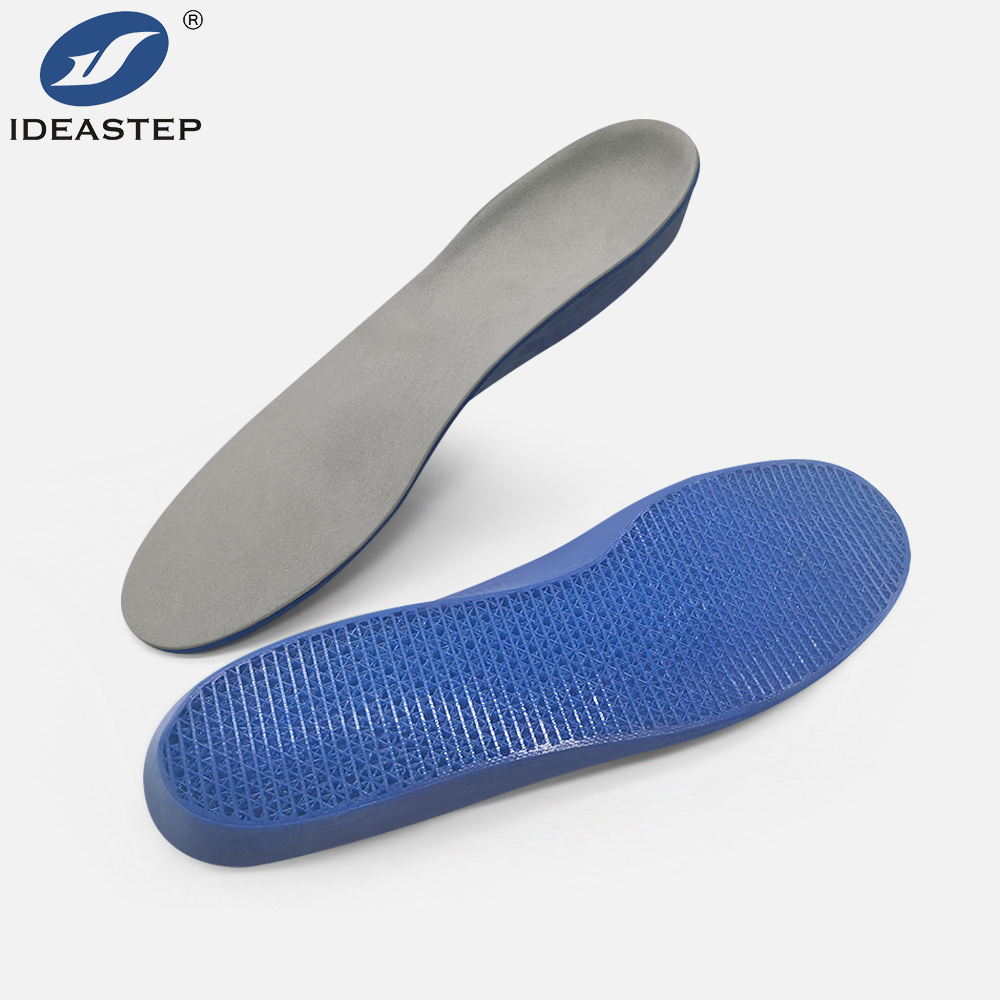
Biomechanical properties form the foundation of your spec sheet. Define arch height, support firmness and the coverage area of the arch structure, tailored for your target user profile such as low arch or high arch applications. Secondary structural parameters include heel cup depth and metatarsal pad thickness, plus the overall contour geometry of the insole.
Long-term performance metrics cannot be overlooked. Compression set and repeated flex fatigue testing quantify how quickly the support structure degrades under load. All biomechanical values, along with acceptable tolerance ranges, should be formalised within your OEM technical agreement and used to approve pre-production samples and bulk shipments.
Substrate And Top Cover Material Specifications
Substrate selection directly impacts weight, rigidity and compression resistance. Common options include EVA, PU foam and carbon fiber composite sheets, each suited for different load requirements in work boots, outdoor footwear and casual shoes.
Top fabric specs cover antimicrobial treatment, slip resistance and wear performance. You will also need defined standards for colour fastness and pilling resistance. Raw material incoming inspection ensures bulk production uses identical substrates to the approved samples. Always match material choices to your footwear category and end-use load conditions.
Customisation Specifications For OEM Production
Contour cutting is customised to your shoe last with agreed dimensional tolerances, so inserts fit neatly without crowding toe space. Brand customisation options include embossed or printed logos, custom colour matching and fine adjustment of overall insole thickness.
Edge finishing standards matter too. Proper sanding and sealing prevent fraying and cracking over repeated use. Establish clear milestones for sampling: hand prototype, pre-production sample and sign-off criteria before mass production starts.
Supply Chain And Mass Production Control Specifications
Batch consistency is enforced through scheduled in-line inspection, checking dimension, firmness and thickness against your tolerance limits. Production schedules and phased delivery plans should align with your brand’s new product launch timeline.
Flexible MOQ arrangements support small trial batches before full scale-up, with guarantees that core material and performance specs remain unchanged from trial to bulk orders. Mandatory batch retention lets both sides trace quality issues and resolve complaints efficiently if they arise after shipment.
Cross-Border Compliance Documentation Specifications For EU And North America
Chemical compliance forms the baseline for export shipments. All foam and fabric materials must meet REACH and RoHS requirements, with batch test reports available for customs clearance and retail partner audits.
Mechanical durability and ageing test records are often required by large retail buyers. Marketing and packaging language must be carefully controlled. Keep product messaging framed around comfort accessories unless your product completes full medical device certification. All compliance documents should be delivered before shipment to avoid delays at border checks.
Step-by-Step Specification Validation Workflow For Brand Sourcing
- Compile a complete technical specification sheet and share it for supplier feasibility review
- Complete pre-production sample validation including biomechanical testing and shoe last fit checks
- Run small batch trial production and inspect samples to verify batch stability
- Sign off on first article inspection before releasing full mass production
- Carry out final random sampling before goods leave the factory
Common Issues Caused By Undefined OEM Specifications
When tolerance ranges for arch firmness are missing, bulk orders can show wide swings in support performance. Leaving compression durability untested leads to early collapse of the arch structure once products reach end users. Poorly defined cutting tolerances create inserts that fail to fit inside your shoe cavity. Another frequent risk is undocumented raw material standards, allowing suppliers to substitute cheaper lower-grade substrates for mass production.
FAQ
What core parameters must be included in the technical spec sheet for OEM arch support insoles?
Key items include arch height, support firmness, heel cup depth, metatarsal pad dimensions, substrate material grade, compression set limits, dimensional tolerances and material compliance requirements.
What is the difference in mechanical durability between common substrates for OEM arch support insoles?
EVA balances low cost and lightweight performance. PU foam delivers softer cushioning but carries higher risk of hydrolysis over time. Carbon fiber composite substrates offer superior rigidity and fatigue resistance for heavy-load industrial footwear.
What validation tests should be finished at the sampling stage before mass production?
Pre-production samples should pass biomechanical performance testing and shoe last fit testing. Additional checks include material inspection, edge quality review and verification of any branded customisation features.
What compliance documents are required for exporting OEM arch support insoles to EU and North America?
REACH and RoHS batch test reports are essential. Mechanical durability and material ageing test reports are recommended for retail buyer audits. Avoid medical orthotic claims unless your product holds valid medical certifications.
Can OEM arch support insoles be custom contoured based on our existing shoe lasts?
Yes. Experienced OEM manufacturers can develop insole contours matched to your shoe last geometry, with controlled cutting tolerances to ensure consistent fit within your shoe cavity.
Conclusion
Sourcing OEM arch support insoles relies on well-defined, quantifiable technical specifications. A rigorous specification review process helps footwear brands eliminate quality fluctuations, prevent material substitutions and keep new product development on schedule. Combined with pre-production validation and proper compliance documentation, clear sourcing specs turn OEM insole procurement into a reliable competitive advantage for your footwear line.
Get in touch with our team to receive a standard technical specification template for OEM arch support insoles, and arrange sample development plus performance testing with your shoe lasts.
Explore More:
Custom Arch Support from Design Specifications to Scalable Insole Manufacturing
How Arch Support Insoles Are Designed and Manufactured