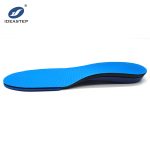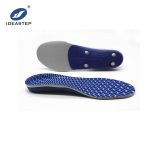
In recent years, more footwear brands have started paying closer attention to insoles.
The reason is simple. Consumers today care not only about shoe design, but also about real wearing comfort. Especially in sports footwear, orthopedic shoes, and comfort footwear, users can clearly feel the difference created by insole structure, cushioning performance, and arch support.
For footwear brands, insoles are no longer just an internal component. They are becoming an important part of product performance and customer experience.
As a result, OEM custom insoles are increasingly becoming a preferred solution for orthopedic and footwear brands.

Why More Footwear Brands Are Choosing OEM Custom Insoles
At the early stage of product development, many brands choose standard insole solutions because they are faster to source and easier to manage in terms of cost.
However, as product lines grow, limitations often become more obvious.
- Standard insoles cannot fully meet different user needs
- Comfort performance becomes difficult to differentiate
- Long-term wearing feedback may become inconsistent
- It is harder for brands to build a professional product image
Especially in the mid-to-high-end footwear market, consumers are increasingly sensitive to comfort, support, and walking stability.
Whether a shoe feels supportive, reduces fatigue, or remains comfortable after long hours of wear can directly influence customer satisfaction and repeat purchases.
This is one of the main reasons why more brands are moving toward OEM custom insole development.
What Are OEM Custom Insoles?
OEM custom insoles are insoles developed and manufactured based on specific brand and product requirements.
In actual OEM projects, brands usually focus on more than just the insole itself. They also care about:
- Material selection
- Support structure design
- Cushioning performance
- Top cover materials
- Logo and packaging customization
- Production consistency for mass manufacturing
For footwear brands, custom insoles are often part of a complete comfort and support solution rather than a standalone accessory.
The Real Value of OEM Custom Insoles
1. Product Differentiation
Today, many footwear products look increasingly similar in appearance. Real differentiation often comes from wearing experience.
In categories such as sports shoes, orthopedic footwear, work shoes, and comfort shoes, consumers can clearly notice the difference created by insole support and cushioning.
As a result, many brands now treat insoles as part of their core product value rather than just an additional component.
2. Better Adaptation to Target Users
Different types of footwear require different insole performance.
- Running shoes focus more on cushioning and rebound
- Orthopedic shoes require better arch support and stability
- Work shoes prioritize durability and fatigue reduction
During OEM development, manufacturers typically adjust:
- Density
- Hardness
- Support areas
- Cushioning structure
The goal is not to make insoles more complicated, but to create a better match between product positioning and user comfort expectations.
Why Insole Materials Matter
From a manufacturing perspective, insole materials directly affect comfort, durability, and long-term product performance.
Common materials used in OEM insoles include:
- EVA Foam
- PU Foam
- Gel Materials
- Ortholite Materials
Among them, EVA foam remains one of the most widely used solutions because of its practical advantages:
- Lightweight structure
- Stable cushioning performance
- Strong processing flexibility
- Better balance between cost and mass production stability
In large-scale manufacturing, material consistency is often more important than theoretical specifications. Uneven performance between production batches can directly affect user experience.
Applications of OEM Custom Insoles
OEM custom insoles are now used across multiple footwear categories and functional applications.
Orthopedic Footwear
Designed for arch support, pressure distribution, and walking stability.
Sports Footwear
Improves cushioning performance and athletic comfort.
Work Safety Shoes
Helps reduce foot fatigue during long hours of standing or walking.
Diabetic Footwear
Reduces localized pressure and friction risks.
Comfort Shoes
Enhances daily wearing comfort for long-term use.
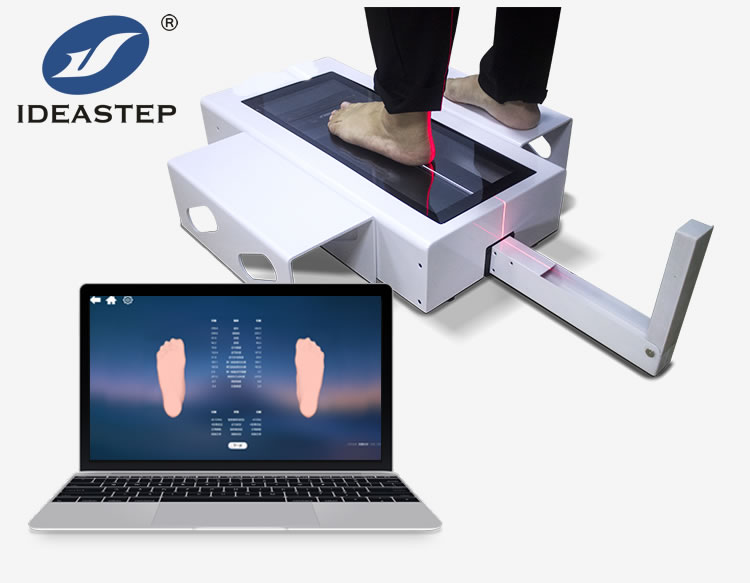
How OEM Insole Development Typically Works
For footwear brands, a smooth OEM project often depends on a stable and professional development process.
A typical OEM custom insole project usually includes:
1. Requirement Discussion
Defining target market, footwear category, and user needs.
2. Material & Structure Selection
Selecting EVA, PU, or composite material structures based on performance requirements.
3. Sampling & Wear Testing
Testing comfort, support, and cushioning performance in real wearing conditions.
4. Sample Optimization
Adjusting structure and details based on testing feedback.
5. Mass Production
Moving into large-scale production after final approval.
Why Brands Are Paying More Attention to OEM Supply Chain Capability
Today, footwear brands are no longer choosing suppliers based on price alone.
More attention is being given to:
- Production consistency
- Mass manufacturing stability
- Functional development capability
- Long-term supply chain support
For brands, insole comfort directly affects:
- Customer reviews
- Repeat purchases
- After-sales issues
- Brand reputation
Especially in the mid-to-high-end market, stable quality is often more important than low pricing.
Custom Insoles Are Becoming Part of Brand Competitiveness
From an industry perspective, insoles are no longer viewed as a simple internal layer inside the shoe.
For many comfort footwear, orthopedic footwear, and functional footwear brands, insoles are becoming an important part of overall product performance and customer experience.
Consumers are increasingly sensitive to comfort, support, and walking feel, especially in footwear designed for long-term wear.
This is why more brands are investing in OEM custom insole development instead of relying on standard insole solutions.
Partner with Ideastep
Ideastep specializes in OEM custom insoles and EVA foam material solutions for orthopedic and footwear brands, offering flexible customization for support structures, materials, and private label requirements.
If you are developing comfort footwear, orthopedic shoes, or functional footwear products, feel free to contact us for samples or further project discussion.
Related Post: