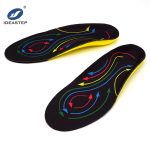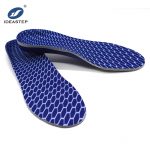
For many men, comfort inside a shoe is usually something they only notice when it’s missing. A shoe may look fine from the outside, but after a few hours of walking or standing, discomfort often starts to build up from the ground up.
This is where EVA insoles come in. They don’t change the shoe completely, but they quietly improve how the shoe feels in daily use—especially when the goal is basic cushioning and all-day comfort rather than performance enhancement.
Soft cushioning breathable EVA insoles are designed exactly for this type of everyday need.
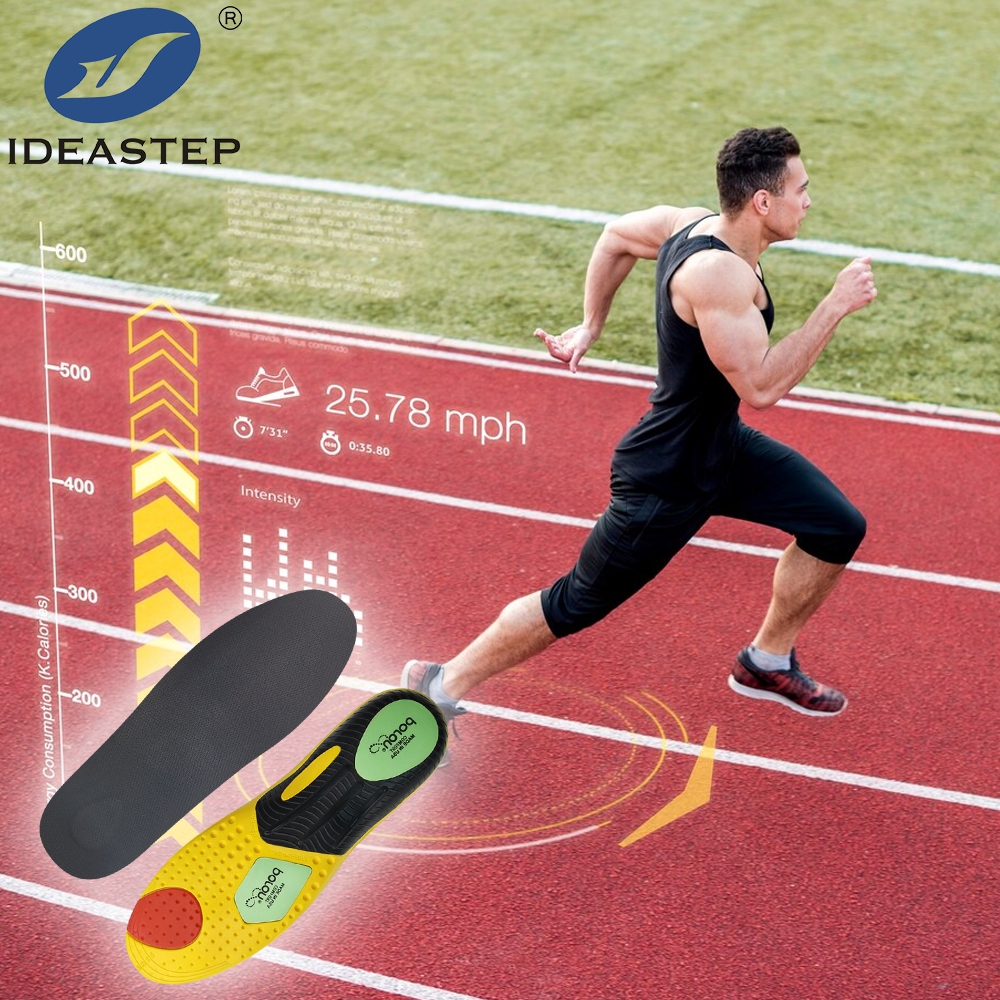
What Is a Soft Cushioning EVA Insole for Men?
In simple terms, this type of insole uses EVA foam as the core material to create a softer layer between the foot and the shoe structure.
EVA is a lightweight foam that compresses under pressure and then slowly rebounds. When used in insoles, it helps reduce the direct impact from walking and standing.
For men’s footwear, it is often used as a practical upgrade rather than a medical or performance device—mainly to improve comfort in daily shoes like sneakers, casual shoes, and work footwear.
Why Men Rely on Soft Cushioning and Breathable Insoles
In real-world use, most footwear is not designed around long-hour comfort. It is built for structure, durability, or appearance first. Comfort is often secondary.
Long hours change how shoes feel
A shoe that feels fine in the morning can feel completely different after a full day of standing or walking. Pressure gradually builds up in the heel and forefoot areas.
Internal cushioning is usually limited
Many standard shoes don’t include enough built-in shock absorption. Over time, this makes every step feel slightly harder than it should.
Heat and moisture are part of the problem
Comfort is not only about softness. When heat builds up inside the shoe, even a well-cushioned shoe can feel uncomfortable. That’s why breathability matters in daily wear insoles.
What Makes EVA a Practical Insole Material
Lightweight by nature
EVA is noticeably lighter than rubber-based materials. In practice, this helps reduce the feeling of heaviness during long walking periods.
Soft but controlled cushioning
Instead of being extremely soft, EVA provides a balanced cushioning effect. It absorbs part of the impact but still maintains enough structure for stable walking.
Easy to adapt across shoe types
One of the practical advantages of EVA is that it can be trimmed or adjusted without affecting performance, which makes it suitable for a wide range of men’s footwear.
Breathability in EVA Insoles: What It Really Means
Breathability is often misunderstood as a material feature, but in practice it is more about structure and design.
Why shoes feel warm during the day
Inside a closed shoe, airflow is limited. As a result, heat and moisture gradually accumulate during movement.
How EVA design helps
Depending on the structure, EVA foam can allow better air movement through micro-porous or open-cell designs. This doesn’t make the shoe fully “cool,” but it helps reduce heat buildup during long wear.
Soft Cushioning Structure in Real Use
Single-density EVA
This is the most common structure. It provides uniform softness and is typically used for general comfort improvement.
Multi-density design
More advanced versions use different firmness levels in different zones. In real applications, this helps balance heel cushioning with arch stability, especially for users who walk a lot during the day.
Where These Insoles Are Commonly Used
In practice, soft EVA insoles are mostly found in everyday footwear categories:
- Casual sneakers
- Work shoes for long standing
- Walking shoes
- Daily lifestyle footwear
- Light activity or gym use
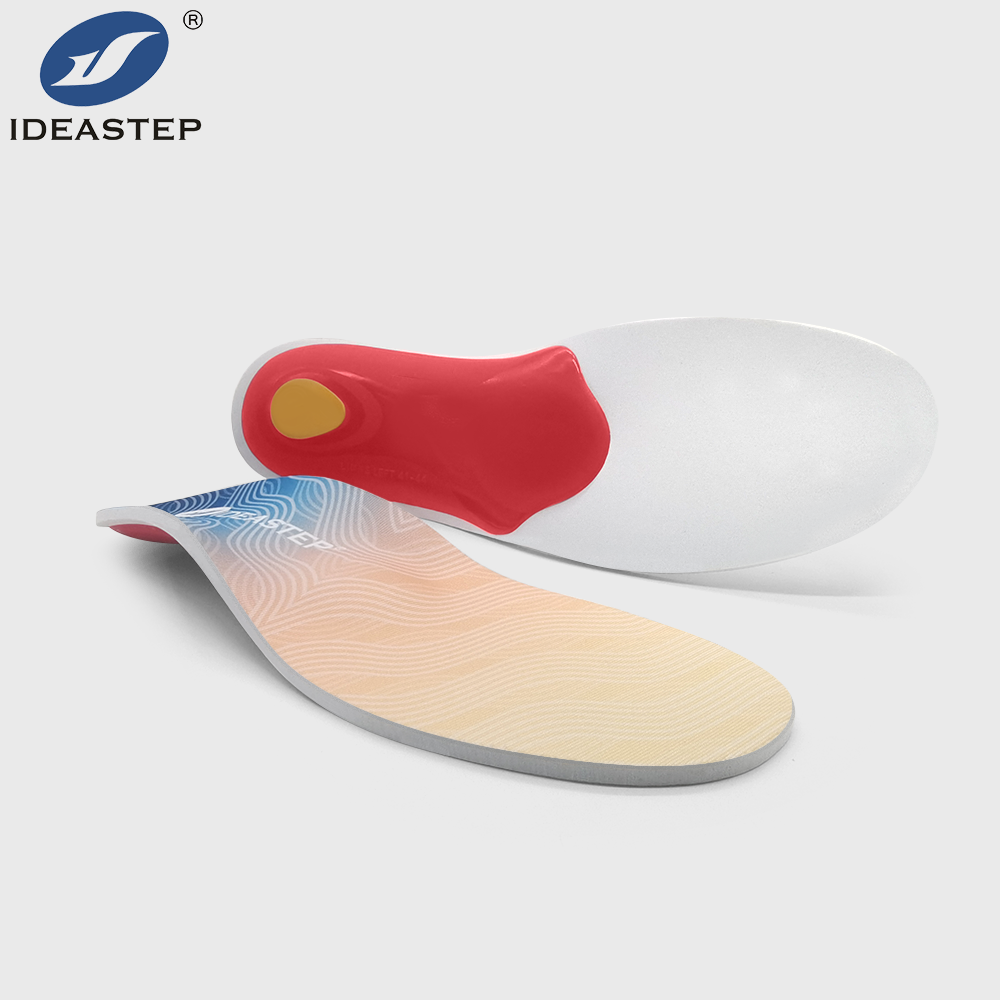
EVA Insoles vs Standard Insoles
| Feature | EVA Insole | Standard Insole |
|---|---|---|
| Weight | Light and easy to wear | Depends on material type |
| Cushioning | Balanced soft comfort | Often minimal or inconsistent |
| Breathability | Moderate, structure dependent | Usually limited |
| Daily Comfort | Stable for long wear | Varies widely |
OEM and Custom Development
In footwear manufacturing, EVA insoles are also widely used in OEM and private label production.
Depending on the market, manufacturers can adjust density, thickness, and surface materials to match different comfort expectations.
For brands, this flexibility is often more important than the material itself, because it allows the same base structure to serve different product lines.
How to Choose the Right EVA Insole
Start with usage, not features
The right insole depends more on how the shoe is used than on technical specifications alone.
Match cushioning level to activity
Long standing usually requires softer cushioning, while daily walking benefits from more balanced support.
Don’t ignore stability
Too much softness without structure can actually reduce walking stability over time.
Conclusion
Soft cushioning breathable EVA insoles are not a high-performance component, but they solve a very practical problem—making everyday shoes more comfortable to wear for longer periods.
In most cases, their value comes from balance rather than extremes: light weight, basic cushioning, and adaptable structure that fits different types of men’s footwear.
Related product: Bulk Breathable Orthotic Insoles w/Silicone Gel Pads – Sports Correction & Sweat Control.