EVA Gel Adults Sport Running Insoles are designed for real running conditions where repetitive impact, long-distance fatigue, and pressure imbalance continuously affect foot performance. In many cases, standard foam insoles cannot maintain stable cushioning behavior after extended use, especially on hard surfaces such as asphalt or treadmill belts.
This is where EVA and gel hybrid structure becomes meaningful. Instead of relying on a single cushioning material, the system separates structural support and impact absorption into two functional zones, improving overall stability during motion.
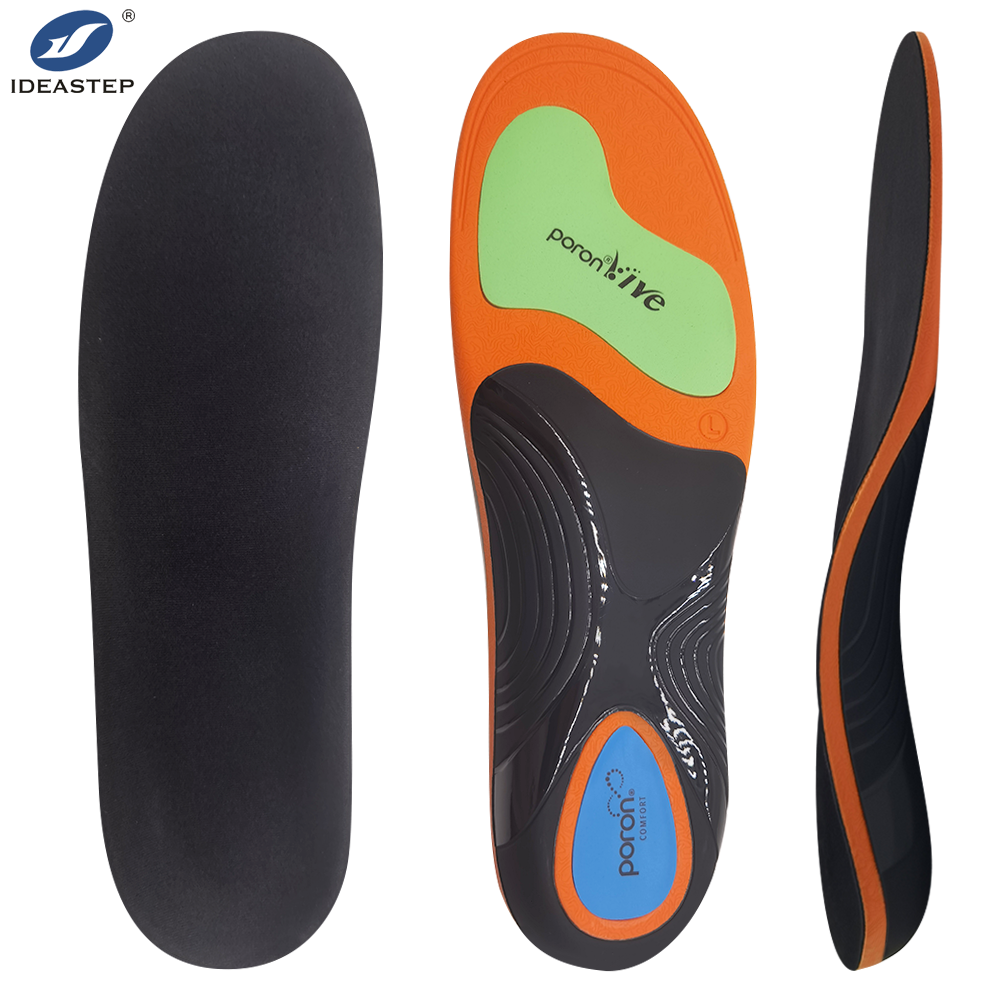
What Are EVA Gel Sport Running Insoles?
EVA Gel sport running insoles combine two materials with different mechanical behaviors:
- EVA foam as the structural base layer
- Gel inserts placed in high-impact zones (heel and forefoot)
In practical use conditions, EVA controls deformation and maintains shape stability under load, while gel focuses on absorbing sudden impact forces.
This separation of function allows the insole to perform more consistently during repetitive running cycles, especially under long-distance training conditions.
Why EVA + Gel Structure Works in Real Running Conditions
During running, the foot does not experience a single uniform force. Instead, pressure shifts continuously through different phases of the gait cycle.
A hybrid EVA + gel system responds to this pattern more effectively than single-material designs:
- EVA manages overall load distribution across the footbed
- Gel absorbs peak pressure at localized impact points
In most running conditions, this improves comfort consistency and reduces the feeling of “bottoming out” that often occurs in softer foam insoles.
Enhanced Cushioning for High-Impact Sports
Running generates repeated impact forces that are several times higher than body weight, especially during heel strike. EVA Gel insoles reduce this impact by combining controlled compression with localized shock absorption.
In real-world sports use, this helps:
- Reduce heel impact stress on hard surfaces
- Lower joint load on knees and ankles
- Improve comfort during continuous running sessions
Rather than simply feeling soft at first step-in, the cushioning effect remains more stable over time due to the structural support provided by EVA.
Long-Distance Comfort Support
Long-distance running introduces a different challenge: material fatigue over time. Many soft insoles gradually compress and lose rebound after continuous use.
EVA Gel Adults Sport Running Insoles are designed to address this by separating structural and cushioning roles.
In extended use conditions, the EVA base maintains its shape integrity, while gel zones continue to handle localized impact stress.
Common benefits during long-distance use include:
- More stable pressure distribution over time
- Reduced fatigue buildup in heel and forefoot
- More consistent comfort during extended running sessions
Stability During Dynamic Movement
Comfort alone is not sufficient for sports performance. Stability during movement is equally important, especially when speed, direction changes, or uneven force distribution are involved.
EVA provides a stable structural framework that limits excessive internal foot movement inside the shoe. This helps maintain alignment during running without restricting natural motion.
In real use scenarios, this leads to:
- Better arch stability during midstance
- Reduced unwanted foot rotation inside footwear
- More controlled movement during acceleration and deceleration
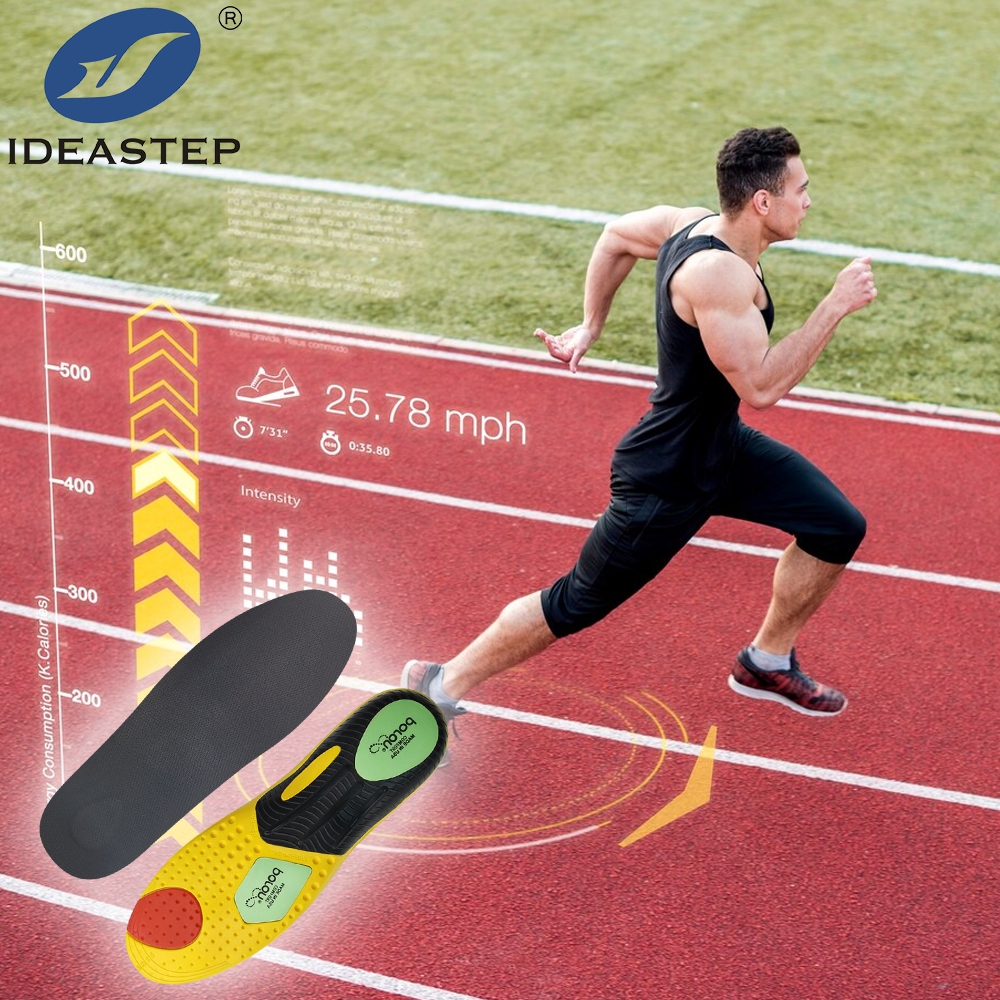
How EVA Gel Insoles Improve Running Mechanics
Shock absorption during heel strike
During heel strike, impact force is concentrated in a small contact area. The gel layer absorbs this peak pressure by dispersing force outward, while EVA controls how deeply the structure compresses.
Controlled transition through the gait cycle
Running efficiency depends on smooth transitions between gait phases: heel strike, midstance, and toe-off.
- Heel strike: gel absorbs impact
- Midstance: EVA stabilizes load distribution
- Toe-off: EVA provides controlled rebound
Energy efficiency during repetitive motion
Consistent rebound behavior helps maintain more efficient movement timing between steps. Over long-distance running, this contributes to reduced energy loss and improved endurance consistency.
Pressure Distribution Optimization
One of the key advantages of EVA Gel insoles is improved pressure distribution across the entire footbed.
Instead of concentrating force at isolated points, the structure spreads load more evenly across:
- Heel zone
- Midfoot support area
- Forefoot push-off region
This reduces localized pressure build-up, which is often associated with discomfort during longer training sessions.
EVA vs Gel vs Traditional Running Insoles
Traditional running insoles often rely on a single material system, which limits performance balance.
- EVA-only insoles: stable but limited in high-impact cushioning
- Gel-only insoles: soft but less stable under long-distance load
- EVA Gel hybrid insoles: balanced structure combining support and shock absorption
The hybrid system is widely used in sports footwear because it maintains performance consistency under repeated impact conditions.
Ideal Users for EVA Gel Adults Sport Running Insoles
Adult runners and athletes
Users training on asphalt roads, treadmill surfaces, or mixed terrain benefit from improved shock control and stability.
Long-standing or fatigue-prone users
People who experience heel pressure or foot fatigue during prolonged walking or standing can benefit from improved load distribution.
Sports footwear brands and OEM buyers
For footwear brands, EVA Gel structures allow flexible performance tuning without changing the overall production system.
- Adjusting EVA density for different performance levels
- Positioning gel inserts for targeted impact zones
- Customizing arch support geometry for specific markets
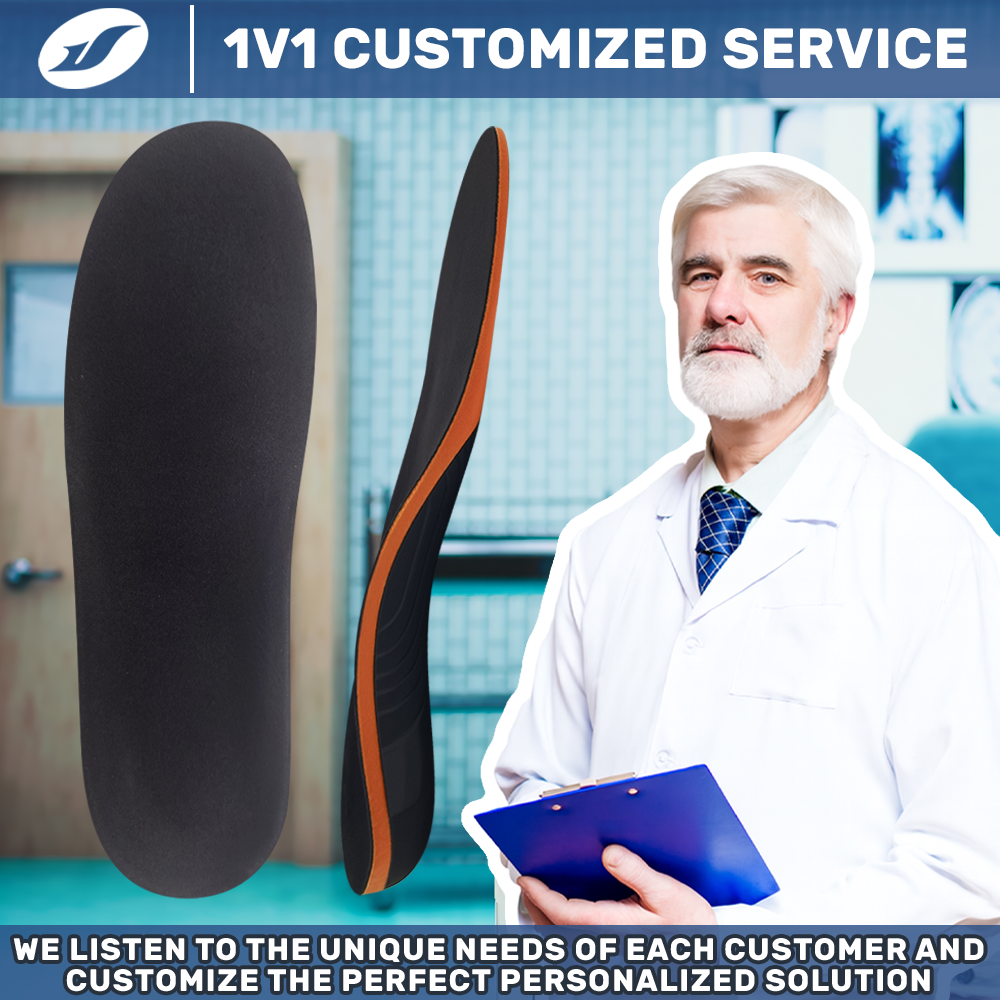
OEM and Custom Production Capability
From a manufacturing perspective, EVA Gel insoles offer strong flexibility in product development.
Manufacturers can adjust:
- EVA density for different support levels
- Gel thickness and placement zones
- Structural stiffness across foot regions
- Overall insole thickness and flexibility
This makes the system suitable for both entry-level sports insoles and performance-grade running products.
For brands, this flexibility is important because it allows differentiation without significantly changing production workflows.
Quality and Performance Testing
To ensure consistent performance in mass production, EVA Gel insoles typically undergo several types of testing:
- Compression and rebound performance testing
- Long-distance wear simulation
- Gel durability under repeated impact cycles
- Batch consistency evaluation
These tests help ensure that performance remains stable from initial use through extended wear conditions.
Conclusion
EVA Gel Adults Sport Running Insoles are designed to solve a practical problem in sports footwear: maintaining stable cushioning and support under continuous impact.
By combining EVA structural stability with gel-based shock absorption, the system delivers balanced performance across different phases of running, from heel strike to toe-off.
In real-world use conditions, this hybrid structure helps improve comfort consistency, reduce fatigue buildup, and support long-distance running efficiency.
For both individual runners and OEM footwear brands, EVA Gel technology provides a practical and adaptable solution for modern sports insole development.
Related product links: https://www.aideastep.com/product/jf-322-5-orthotic-insoles/.