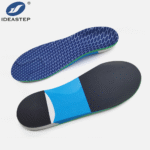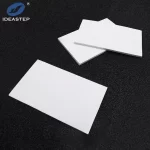
As demand grows for personalized foot care solutions, heat moldable insoles have become an important product category for footwear brands, healthcare suppliers, and professional foot care providers. Unlike standard shoe inserts with a fixed shape, these heat-responsive footbeds can be adjusted through controlled heating to create a more personalized fit based on individual foot characteristics.
For consumers, the main questions are usually simple: Do these customized inserts really improve comfort? How long do they last? Are they better than traditional shoe inserts? For businesses, the considerations are broader, including material performance, manufacturing consistency, customization options, and supplier reliability.
This guide explains how this type of footwear insert works, its advantages and limitations, user feedback, and the key factors to consider before purchasing or sourcing these products.
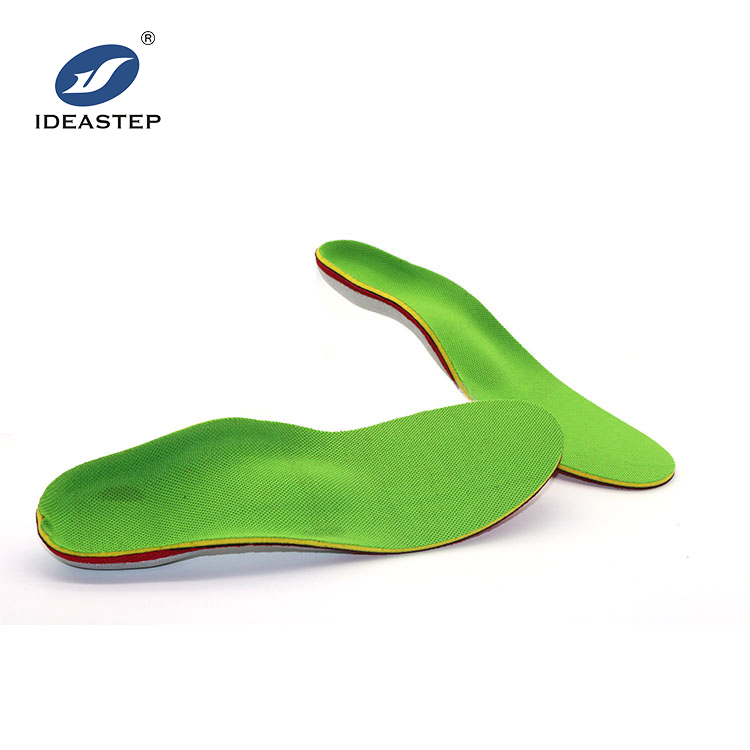
What Are Heat Moldable Insoles?
These specialized shoe inserts are made from heat-responsive materials that become flexible when heated and maintain a customized shape after cooling.
During the molding process, the insert can be adjusted according to factors such as:
- Foot arch structure
- Foot shape and size
- Pressure distribution characteristics
- Required support level
Unlike conventional insoles produced with a universal shape, these moldable shoe inserts provide greater flexibility in fitting and customization. They are commonly used in sports footwear, work boots, orthopedic footwear, and foot care products.
How Do Heat Moldable Insoles Work?
The working principle of these products is based on the thermal properties of specific foam and thermoplastic materials. When exposed to controlled heat, the material softens and becomes easier to shape. After cooling, it returns to a stable structure while maintaining the customized form.
The molding process usually involves three steps:
- Heating: The insert is heated within a recommended temperature range to soften the material.
- Fitting: The softened insert is positioned inside footwear or a molding system to match the desired foot shape.
- Cooling: The material gradually stabilizes and retains the customized structure.
Temperature control is an important factor during molding. Excessive heat may affect material performance, while insufficient heating may prevent proper shaping. For professional applications, consistent molding conditions help ensure reliable fitting results.
Key Factors to Consider Before Buying Heat Moldable Insoles
Not all moldable shoe inserts provide the same level of performance. Material selection, manufacturing quality, and intended application all influence the final product experience.
1. Material Selection and Performance
The material used in customizable inserts determines important characteristics such as cushioning, support, durability, and molding stability.
| Material | Performance Characteristics | Common Applications |
|---|---|---|
| EVA Foam | Lightweight, flexible, shock absorbing, easy to customize | Comfort insoles, sports footwear, everyday applications |
| TPU | Higher structural support, excellent resilience, strong durability | Functional orthotic insoles and performance footwear |
| PU Foam | Soft cushioning and comfortable underfoot feeling | Comfort-focused footwear products |
For EVA-based thermoformable inserts, foam density and hardness are especially important. Softer EVA can provide a more comfortable feel, while higher-density EVA generally offers stronger support and better long-term durability.
2. Molding Accuracy and Manufacturing Consistency
For individual users, molding accuracy affects comfort and fit. For businesses, manufacturing consistency becomes even more important because every production batch needs to maintain stable performance.
Professional suppliers typically focus on:
- Material consistency
- Hardness control
- Foam recovery performance
- Bonding quality between different layers
- Production quality inspection
3. Intended Application and Support Requirements
Choosing the right personalized footbed depends on how it will be used.
- Daily footwear: prioritize lightweight construction and comfort.
- Sports footwear: focus on rebound, stability, and durability.
- Work boots: consider long-term cushioning and pressure distribution.
- Orthopedic applications: require more attention to support structure and customization capability.
Benefits of Heat Moldable Insoles
More Personalized Foot Support
One of the main advantages of this type of personalized footwear insert is its ability to provide a more individualized fit compared with standard flat insoles.
Because the insert can be shaped according to foot characteristics, it can offer more targeted support and improve overall wearing comfort for different users.
Improved Cushioning and Pressure Distribution
A well-designed customized footbed helps distribute pressure more evenly across the foot during standing, walking, or sports activities.
When combined with suitable foam materials such as EVA, these inserts can provide cushioning performance while maintaining necessary support.
Flexible Customization Options for Brands
For footwear companies and distributors, customizable footbeds provide opportunities for product differentiation.
Common customization options include:
- Foam material selection
- Hardness adjustment
- Top cover fabric customization
- Logo and private label services
- Packaging solutions
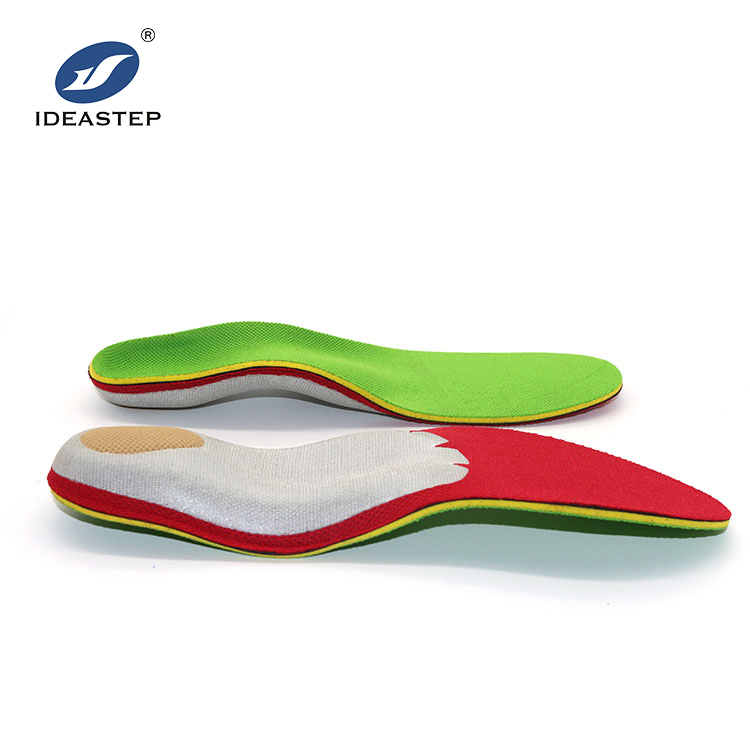
Heat Moldable Insoles Reviews: What Users and Professionals Notice
User feedback provides valuable insight into how these personalized inserts perform in daily use. While individual experiences vary, several common points appear frequently.
Positive Feedback
Many users report that these customized inserts feel more personalized than traditional shoe inserts because the shape better follows their foot structure.
Commonly mentioned benefits include:
- A closer fit inside footwear
- Improved comfort during extended standing or walking
- More noticeable support compared with basic foam inserts
- Better adaptation to different footwear types
Common Concerns
Although these products provide customization advantages, buyers should also understand their limitations.
- Proper molding matters: Incorrect heating or fitting procedures may reduce the expected result.
- Material quality varies: Low-quality foam may lose cushioning performance faster.
- Not every foot condition requires heat molding: Some users may benefit more from professionally designed custom orthotic solutions.
Heat Moldable Insoles vs Custom Orthotics: Key Differences Explained
| Comparison | Thermoformable Inserts | Custom Orthotics |
|---|---|---|
| Customization Level | Moderate customization through molding | Highly personalized design based on professional assessment |
| Production Process | Faster fitting and adjustment | More complex design and manufacturing process |
| Cost | Generally more affordable | Usually higher due to advanced customization |
| Applications | Comfort, sports, footwear products | Specific biomechanical support requirements |
Both options have their own advantages. Thermoformable inserts are suitable for users who need a personalized fit with a faster adjustment process, while custom orthotics are designed for more specific foot support requirements.
Why Are Heat Moldable Insoles Popular Among Footwear Companies?
For footwear brands, medical distributors, and retailers, these customizable inserts provide a balance between personalization and scalable production.
A reliable supplier should be able to support:
- OEM and ODM development
- Material customization
- Bulk production capability
- Private label manufacturing
- Quality control management
From a manufacturing perspective, producing consistent personalized footbeds requires experience in foam formulation, material selection, molding performance, and multi-layer construction.
How to Choose a Reliable Heat Moldable Insoles Manufacturer?
Choosing a supplier is not only about product price. Businesses should evaluate the manufacturer’s technical capability and long-term cooperation potential.
Important factors include:
- Experience in orthotic insole manufacturing
- Ability to customize materials and designs
- Stable production capacity
- Quality inspection procedures
- OEM/ODM support
Ideastep specializes in custom orthotic insoles and thermoformable insole solutions for footwear brands, healthcare suppliers, and professional foot care companies. With experience in EVA foam technology and customized insole manufacturing, Ideastep supports partners from product development to bulk production.
If you are looking for customized footbed solutions or OEM manufacturing support,contact usto discuss your project requirements and request samples.
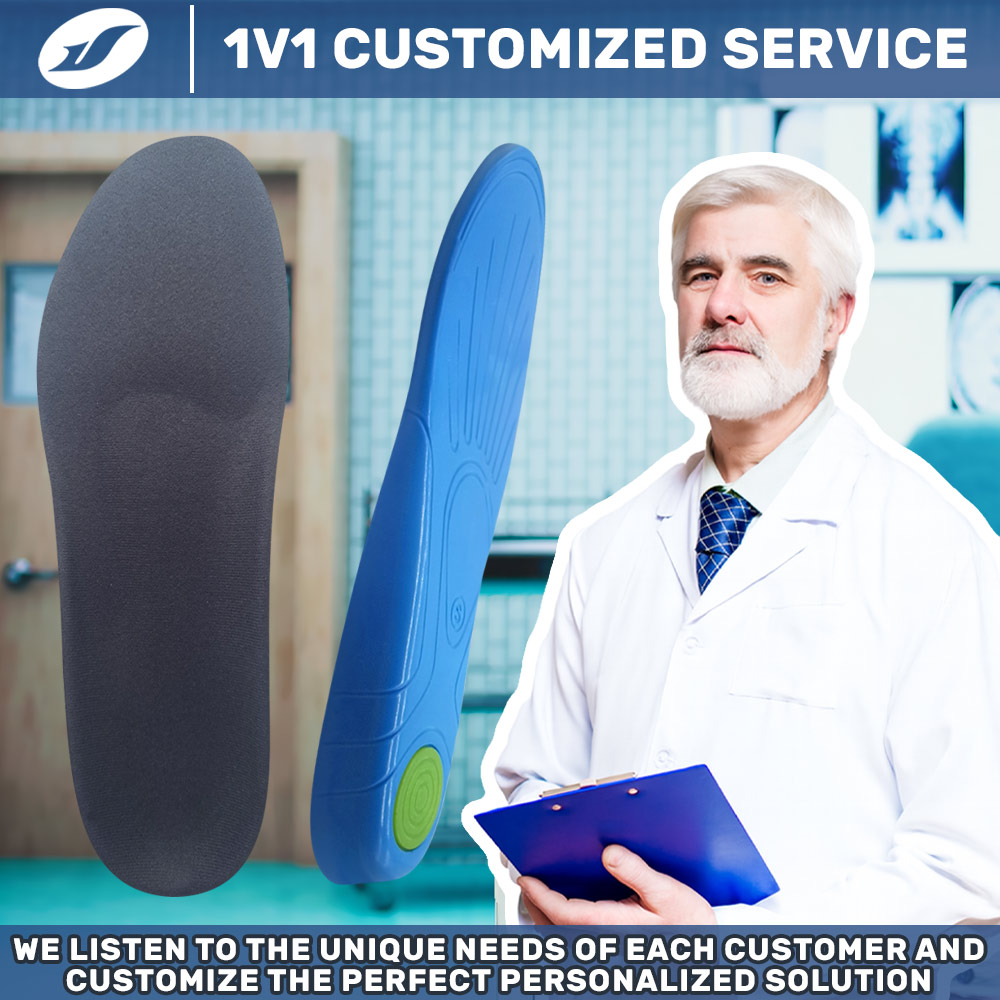
Frequently Asked Questions About Heat Moldable Insoles
How long do heat moldable insoles last?
The lifespan depends on material quality, usage frequency, body weight, and activity level. Higher-quality materials with better compression resistance generally provide longer service life.
Are EVA heat moldable insoles durable?
EVA-based inserts can provide good durability when the correct foam density and hardness are selected. Performance depends on material formulation, compression resistance, and manufacturing quality.
Can heat moldable insoles be remolded?
Some heat-responsive materials allow limited remolding, but repeated heating may affect material properties over time. Users should always follow the manufacturer’s recommended molding process.
Are heat moldable insoles the same as custom orthotic insoles?
No. Heat moldable insoles provide a more personalized fit compared with standard inserts, while custom orthotic insoles are designed for specific support requirements and professional applications.
Conclusion
Heat moldable insoles offer a practical solution for users and businesses looking for a balance between customization, comfort, and production flexibility. By using heat-responsive materials, these inserts can adapt more closely to individual foot shapes compared with traditional flat insoles.
For consumers, factors such as material quality, molding process, and intended application should be considered before making a purchase. For footwear brands, healthcare suppliers, and distributors, working with an experienced manufacturer is essential to ensure consistent quality, customization capability, and reliable supply.
With expertise in EVA foam technology and orthotic insole manufacturing, Ideastep provides OEM and ODM solutions for partners seeking customized footwear insert products. From material selection and design development to bulk production, professional support can help create products that meet different market requirements.