
Every step creates changing pressure patterns across the foot. The forefoot, especially the metatarsal area, plays an important role in weight transfer and push-off during walking, running, and standing.
When pressure is not distributed properly, the forefoot may experience excessive loading during daily activities. This is why many footwear brands and foot care companies use metatarsal pad insoles as a functional solution to improve support, balance pressure distribution, and enhance wearing comfort.
Unlike standard cushioning insoles that mainly focus on softness, metatarsal pad insoles combine structural design, material technology, and foot mechanics to provide targeted support for different footwear applications.
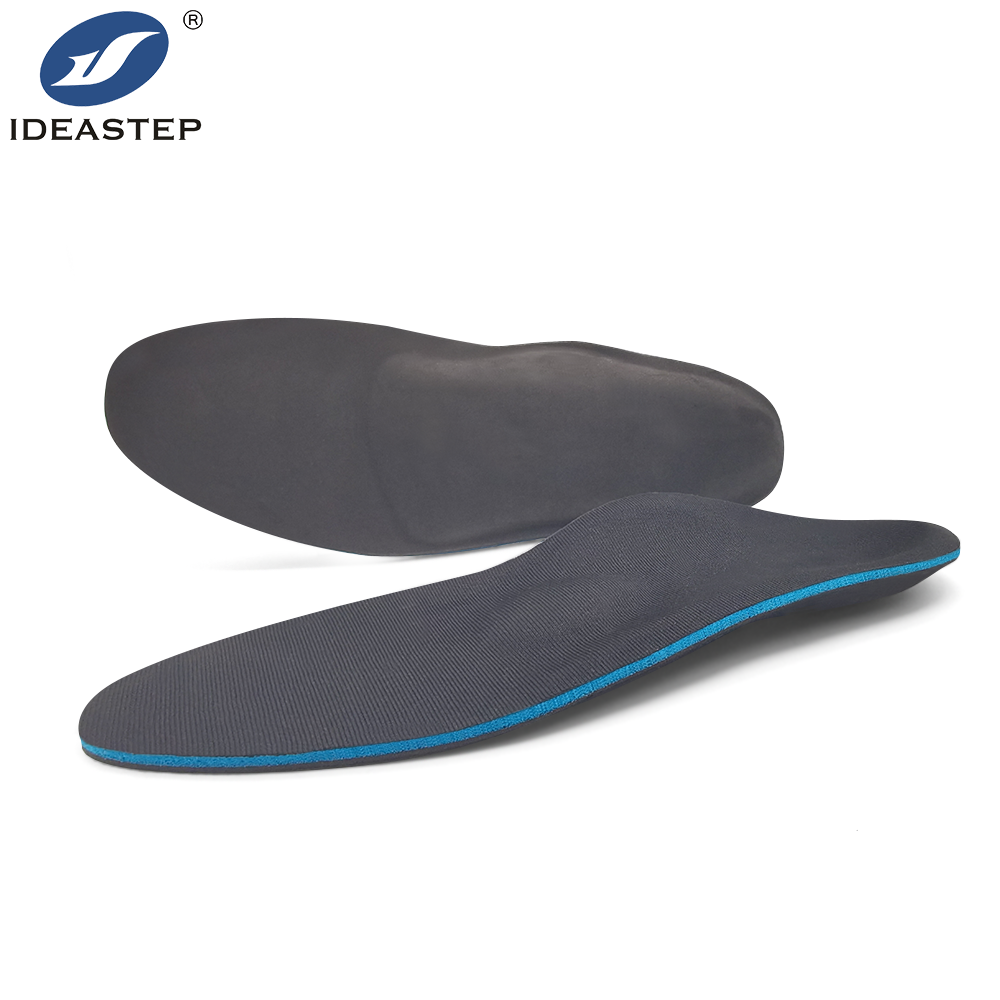
What Are Metatarsal Pad Insoles?
Metatarsal pad insoles are specially designed insoles that include a raised support area positioned around the metatarsal region of the foot.
The metatarsals are the long bones located between the toes and the middle part of the foot. They are responsible for:
- Supporting body weight during standing
- Transferring pressure during walking
- Assisting the push-off phase of movement
A metatarsal pad is generally positioned slightly behind the metatarsal heads rather than directly under the pressure point. Its purpose is not simply to add extra cushioning but to help create a more balanced pressure pattern across the forefoot.
In professional insole design, factors such as foot structure, footwear type, activity level, and material properties all influence the final pad design.
How Does a Metatarsal Pad Work?
Improving Forefoot Pressure Distribution
During normal movement, pressure continuously shifts between different areas of the foot. However, prolonged standing, repetitive activity, or unsuitable footwear may increase stress concentration in the forefoot.
A properly designed metatarsal pad helps by:
- Supporting the metatarsal area
- Improving load distribution
- Reducing concentrated pressure zones
A common misunderstanding is that the pad should be placed directly under the uncomfortable area. In professional orthotic design, the metatarsal pad is usually positioned behind the metatarsal heads to encourage better weight transfer and support natural foot mechanics.
The Importance of Position, Height, and Firmness
The performance of a metatarsal pad depends on three key design factors:
Position
The location of the pad affects how pressure moves through the forefoot. Even a small position change can influence comfort and support performance.
Height
The height of the pad needs to match the user’s foot structure and application. A pad that is too high may feel uncomfortable, while insufficient height may not provide effective support.
Firmness
Material firmness determines the balance between stability and cushioning. Different footwear applications require different firmness levels.
For example:
- Sports insoles may prioritize flexibility and shock absorption.
- Work boot insoles may require stronger support and durability.
- Professional foot care products may focus on precise structural design.
Key Design Features of Quality Metatarsal Pad Insoles
Functional Support Structure
A high-quality insole is not just a foam layer. It combines multiple functional areas, including:
- Metatarsal support structure
- Arch support design
- Heel stabilization features
These components work together to improve overall foot stability and create a balanced support system.
The best insole design is not the one with the most aggressive support, but the one that matches the user’s foot structure, footwear design, and intended application.
Material Selection and EVA Technology
Material selection directly affects insole performance.
EVA (Ethylene Vinyl Acetate) is widely used in orthotic insoles because it provides:
- Lightweight construction
- Flexible cushioning
- Shock absorption
- Adjustable hardness
In professional manufacturing, EVA is selected based on specific requirements such as:
- Density
- Hardness
- Rebound performance
- Compression resistance
Different EVA formulations allow manufacturers to develop products ranging from soft comfort insoles to more structured orthotic solutions.
Balanced Cushioning Performance
Cushioning is important, but excessive softness does not always provide better results.
A well-designed metatarsal pad insole needs to balance:
- Impact absorption
- Structural stability
- Long-term durability
The combination of material performance and support geometry determines how effectively the insole performs during daily use.
Benefits of Metatarsal Pad Insoles
Enhanced Forefoot Comfort
By improving pressure distribution around the metatarsal area, these insoles can provide a more comfortable experience during walking, standing, and active movement.
They are commonly used for footwear where users require additional forefoot support.
Better Pressure Management
The main purpose of a metatarsal pad is to optimize how forces are transferred through the foot.
Compared with regular cushioning insoles, metatarsal pad designs provide more targeted support instead of only adding additional softness.
Suitable for Long-Term Wear
Metatarsal pad insoles are widely used in applications where footwear is worn for extended periods, including:
- Work boots
- Safety shoes
- Walking shoes
- Sports footwear

Common Applications of Metatarsal Pad Insoles
Work Boots and Safety Footwear
Industrial workers often spend many hours standing or walking. For these applications, insoles need to provide a combination of durability, cushioning, and structural support.
Manufacturers typically adjust EVA density and support design according to different working environments.
Sports and Performance Footwear
Sports activities involve repeated impact and movement changes.
Metatarsal support insoles are commonly integrated into:
- Running shoes
- Training footwear
- Walking shoes
Key design priorities include lightweight construction, flexibility, and shock absorption.
Medical and Foot Care Products
Foot care brands and healthcare distributors often require customized insole solutions with specific support structures.
Important factors include:
- Accurate design positioning
- Consistent material performance
- Reliable production quality
Custom Metatarsal Pad Insoles for OEM and ODM Projects
For footwear brands, distributors, and private-label companies, customized metatarsal pad insoles offer greater flexibility for different markets.
Professional manufacturers can customize:
- Metatarsal pad position
- EVA hardness and density
- Insole thickness
- Top cover materials
- Logo and packaging
For bulk projects, stable material performance, production consistency, and quality control are critical when selecting an insole supplier.
At Ideastep, we provide customized orthotic insole solutions with advanced design experience and EVA material expertise. Our OEM and ODM capabilities help global partners develop functional insoles for footwear, healthcare, and private-label markets.
Frequently Asked Questions
What are metatarsal pad insoles used for?
Metatarsal pad insoles are designed to provide targeted forefoot support and improve pressure distribution during movement.
Where should a metatarsal pad be placed?
A metatarsal pad is usually positioned behind the metatarsal heads to support natural foot mechanics and improve weight transfer.
Can metatarsal pad insoles be customized?
Yes. Manufacturers can customize the support structure, EVA materials, thickness, surface fabrics, and branding according to customer requirements.
Conclusion
Metatarsal pad insoles combine foot mechanics, structural support, and material technology to create a more balanced footwear solution.
The most effective design is not simply the softest or thickest option, but the one that matches foot structure, footwear requirements, and intended use.
For brands and distributors looking for customized solutions, Ideastep provides professional OEM and ODM insole manufacturing services with expertise in orthotic design and EVA material development.
Related product links: https://www.aideastep.com/product/ideastep-8001-metatarsal-pad-insole/.