Running puts continuous stress on the feet, especially during long-distance training and frequent workouts. For runners with high arches, the foot structure naturally affects how pressure is distributed, which means standard flat insoles may not always provide enough support and cushioning.
Running insoles for high arches are designed to improve this experience by combining proper arch support, impact cushioning, and stable foot positioning.
However, developing a good high arch running insole is not simply about making the product softer. The challenge is finding the right balance between support, flexibility, and shock absorption so the insole works naturally with the runner’s movement.
For sports footwear brands and foot care companies, this balance is also the key to creating products that perform well in real-world use.
What Makes a Good High Arch Running Insole?
Supporting the Arch Without Limiting Movement
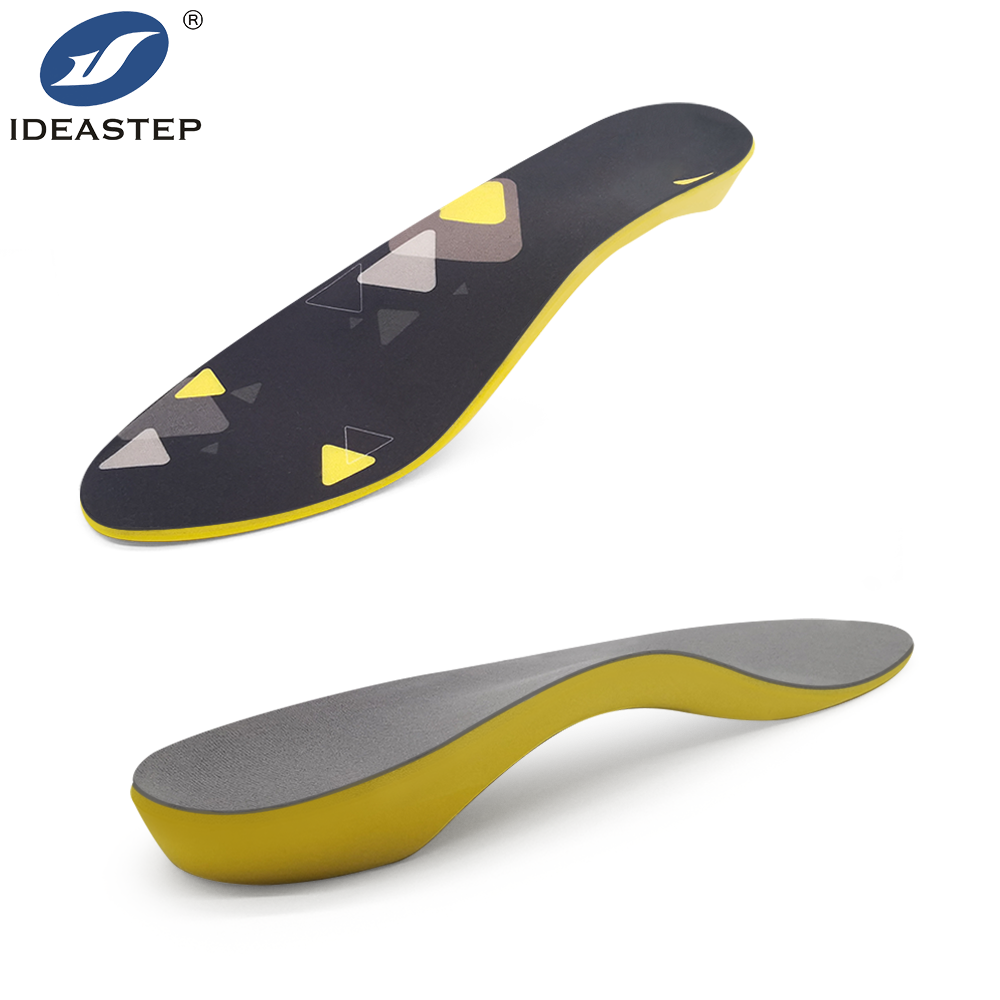
High arch runners usually need more structured support because their feet may have less natural contact area with the ground.
A well-designed running insole should support the arch while still allowing natural movement.
During product development, manufacturers usually consider:
- Arch height and contour
- Support area placement
- Flexibility around the forefoot
- Overall foot-to-shoe compatibility
The goal is not to create a rigid support system, but to provide comfortable guidance during each running step.
Using the Right Cushioning Materials
Cushioning performance depends heavily on material selection and combination.
For running insoles, common material solutions include:
- EVA foam for lightweight cushioning and flexibility
- PU foam for durability and long-term resilience
- Gel components for additional impact absorption
Different runners and footwear categories may require different material structures. For example, a lightweight racing shoe may focus on responsiveness, while a daily training shoe may require more durability and cushioning.
Improving Stability During Running
Comfort alone is not enough for performance footwear. The insole also needs to help maintain a stable fit inside the shoe.
Design elements such as:
- Deep heel cups
- Supportive base layers
- Anti-slip top fabrics
can help reduce unnecessary movement and improve overall shoe comfort.
This is especially important for runners who spend more time training or participate in longer-distance activities.
Applications of High Arch Running Insoles
Running Shoe Brands
Many running shoe brands develop specialized insoles to improve the comfort and performance of their footwear lines.
High arch running insoles can be used in:
- Daily running shoes
- Training footwear
- Performance running shoes
The focus is usually on balancing lightweight construction with reliable support.
Outdoor and Trail Footwear
Trail running creates additional demands because of uneven surfaces and changing terrain.
For outdoor footwear applications, manufacturers may focus on:
- Stronger support structures
- Durable cushioning materials
- Better foot control
A well-designed insole can improve comfort while helping footwear handle more demanding environments.
Foot Care and Sports Product Lines
High arch support is also an important category for foot care brands and sports accessory companies.
Customized running insoles can be developed for users looking for:
- Better arch support
- Additional cushioning
- Improved daily comfort
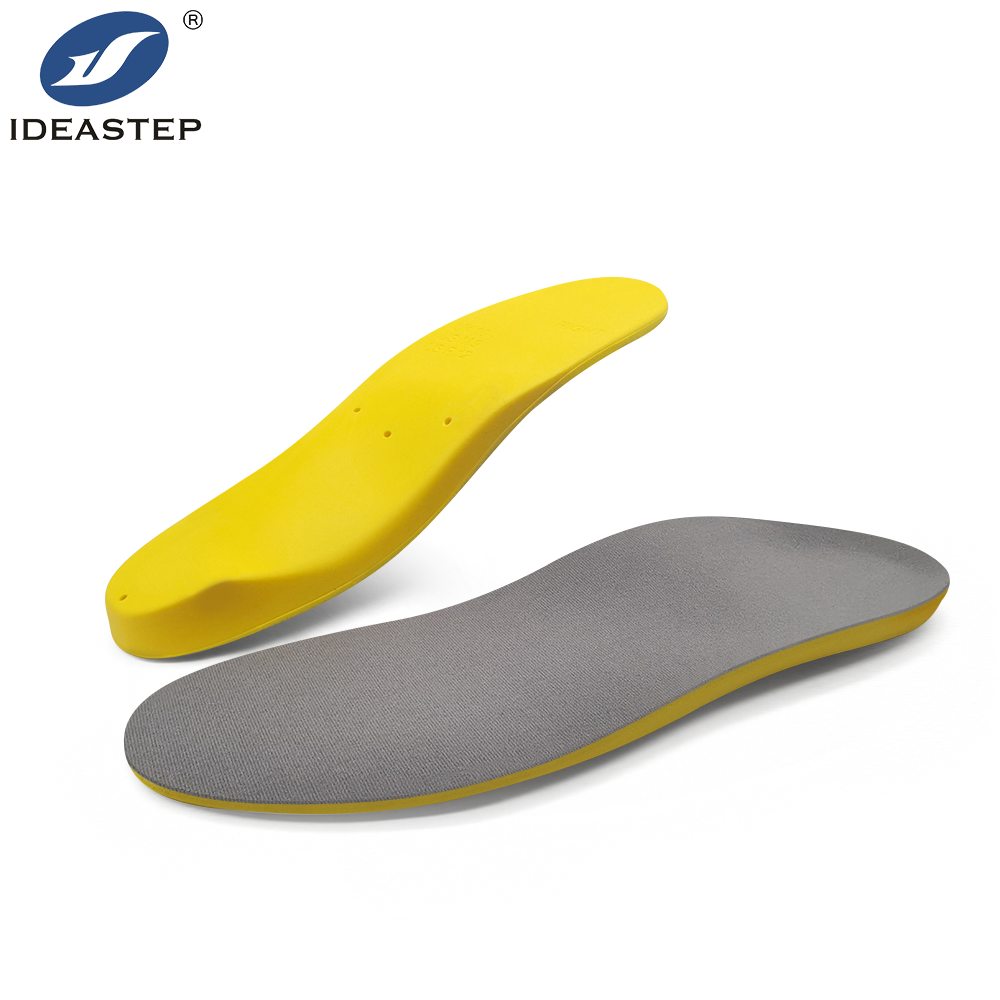
Custom Running Insole Development for Brands
For B2B buyers, customization is often more valuable than standard products. Different brands have different target users, price points, and performance requirements.
A custom running insole project may involve:
Material Selection
Manufacturers can adjust:
- EVA hardness and density
- Foam combinations
- Cushioning layers
- Top cover materials
The right material combination helps achieve the desired balance between comfort, durability, and cost.
Structural Adjustment
The same insole design may not work for every shoe model.
During development, adjustments may include:
- Arch support height
- Heel design
- Overall thickness
- Flexibility zones
These details help ensure the final insole fits properly and performs as expected inside different footwear structures.
OEM Running Insole Manufacturing Support
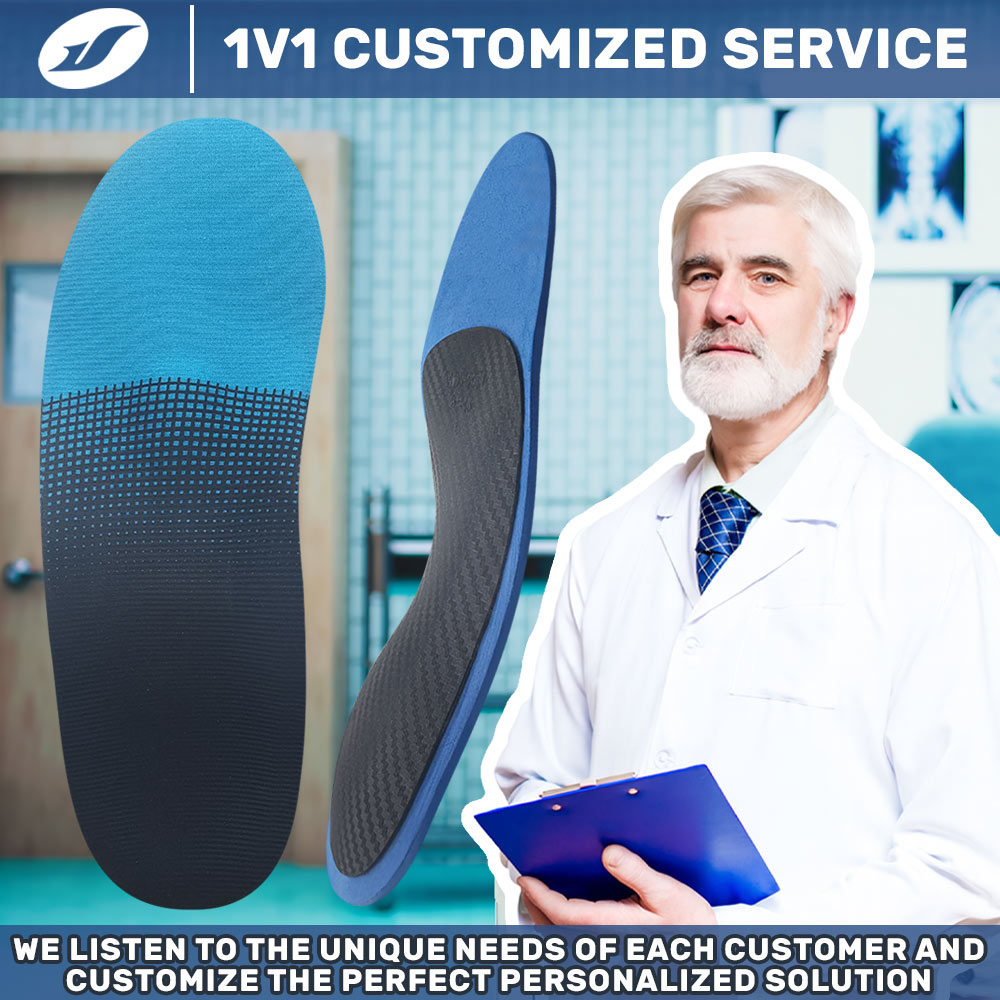
For sports brands, distributors, and foot care companies, OEM manufacturing provides a practical way to develop customized running insoles without building an internal production system.
An experienced manufacturer can support the complete development process, including:
- Product design
- Material recommendations
- Prototype samples
- Design improvements
- Bulk production
This cooperation model allows brands to focus on their market strategy while relying on professional manufacturing experience.
Choosing a Running Insole Supplier
When selecting a supplier for running insoles for high arches, businesses should look beyond product samples.
Product Development Experience
Manufacturers familiar with sports and orthotic insoles can better understand the relationship between materials, structure, and comfort.
Material Knowledge
Experience with EVA, PU, gel, and other cushioning materials helps suppliers recommend suitable solutions for different applications.
Customization Capability
Flexible development options allow brands to create products that match their own positioning.
Production Reliability
Consistent quality control and stable manufacturing processes are essential for long-term cooperation.
Creating Better Running Insole Solutions
Developing effective running insoles for high arches requires a combination of design experience, material knowledge, and manufacturing capability.
For footwear brands and foot care companies, the right supplier can provide support from early product concepts through final production.
By focusing on practical design, suitable materials, and reliable manufacturing, businesses can create running insole products that deliver better comfort and performance for different markets.
Related Reading:
How Long Do Running Insoles Last?
Running Insoles for Knee Pain: The Ultimate Guide