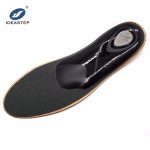
For footwear brands, shoe factories and wholesale distributors, insole material choices directly shape end‑user experience and product market performance. Many B2B buyers run into real trade‑offs when sourcing orthopedic insoles: balancing solid support, reasonable durability and viable unit cost can feel tricky. This practical guide cuts through generic marketing talk. It covers real‑world performance metrics and EVA material nuances, to help you source orthopedic EVA insoles suited for casual footwear, work shoes and supportive product ranges.
What Makes Solid‑Performing Orthopedic EVA Insoles
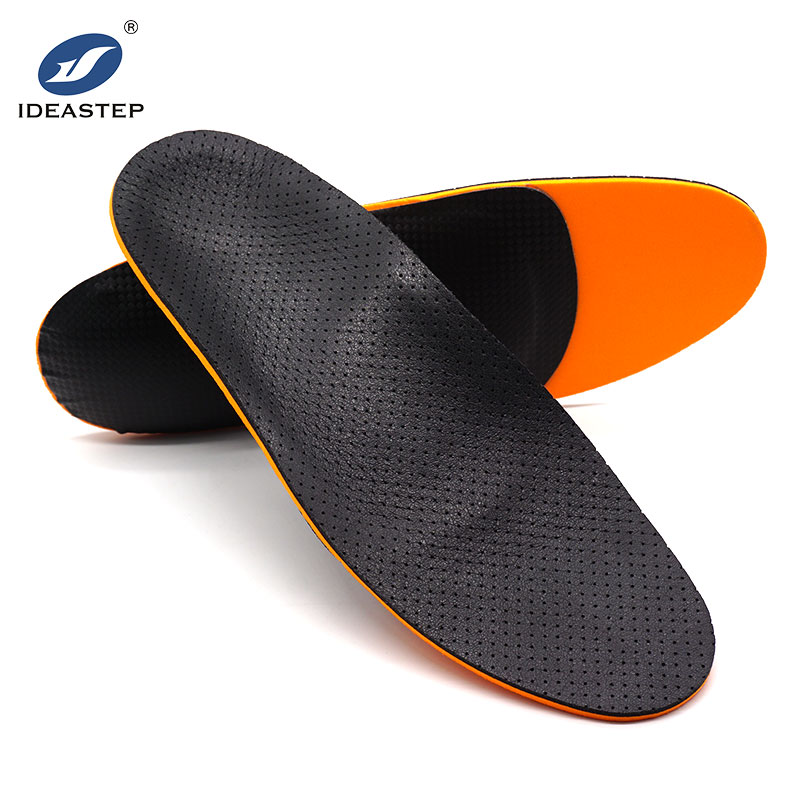
Orthopedic EVA insoles are not just softer versions of standard shoe inserts. Good units prioritize biomechanical support, not plush cushioning alone. Three practical traits separate reliable stock from low‑grade alternatives.
First is consistent arch support. Well‑formed contours ease strain on foot ligaments for users with flat feet or low arches. For people standing or walking throughout their day, this reduces recurring arch ache and general foot tiredness.
Second is controlled pressure distribution. A deep, shaped heel cup holds the foot securely and softens impact with every step. Thoughtfully shaped forefoot areas avoid sharp pressure points, which makes these insoles well‑suited for work‑wear and everyday commuter footwear.
Third is resistance to permanent compression. Quality orthopedic EVA keeps its shape and supportive properties after heavy repeated use. Insoles that flatten quickly drive higher customer complaints and product returns, something wholesale brands want to avoid.
Why EVA Remains Go‑To Material For Commercial Orthopedic Insoles
EVA stays the dominant material for mass‑produced orthopedic insoles, and there are practical manufacturing‑side reasons behind this trend. Compared to pure rubber, open‑cell foam or multi‑layer composite builds, EVA strikes a useful middle ground: light weight, workable structure and scalable bulk manufacturing.
Its low base weight adds functional support without making shoes feel heavy. Natural built‑in elasticity absorbs shock during walking and standing. That versatility lets orthopedic EVA insoles fit across casual styles, light sports and safety‑focused work footwear.
Material stability is another major plus for B2B buyers. Properly formulated industrial EVA holds up against sweat and regular wear. Unlike low‑density foams that collapse after short use, good‑grade EVA retains its geometry over months of everyday use. It also molds, cuts and trims cleanly, which simplifies custom sizing and OEM adjustments for varied shoe models.
Matching EVA Density Grades To Your Target Market
Picking the right EVA grade ties closely to your price point and target audience. One single material formula will not work for every product line. Below are the real‑world options we see most often for B2B projects.
Standard‑density EVA works for entry‑level everyday footwear. It delivers baseline orthopedic support plus comfortable cushioning. This is a cost‑effective pick for mass‑market casual shoe collections.
High‑density reinforced EVA is built for work‑oriented functional shoes. It resists compression far better and maintains firm arch support through long shifts. This grade fits safety and industrial footwear lines where all‑day performance matters most.
Premium super‑elastic EVA caters to mid‑to‑upper tier shoe brands. It delivers a softer surface feel without sacrificing structural support. This refined blend improves rebound and surface comfort for higher‑priced retail product lines.
B2B Customization And Bulk Supply Realities
Our business operates purely on B2B wholesale and OEM production; we do not serve retail end customers. Every part of our workflow is built around bulk‑order partner needs.
Material tweaks are fully possible. You can adjust EVA hardness, overall thickness and surface finish to match your product brief. Brand‑focused options include printed logos, embossed details and custom retail packaging to help your line stand out against competitors.
Small trial batches are welcome when you are testing new concepts. We also scale up for large, ongoing production runs for established footwear ranges. Each completed batch goes through hands‑on checks covering compression recovery, elasticity and dimensional consistency. Clear wholesale pricing and stable output support steady growth for your product portfolio.
Make Smarter Sourcing Decisions For Orthopedic EVA Insoles
Knowing how EVA grades translate to real‑world insole performance removes plenty of guesswork from your sourcing process. Whether you are refreshing an existing footwear range or launching brand‑new supportive shoe products, well‑selected orthopedic EVA insoles lift overall product quality and buyer satisfaction.
Reach out to our B2B team if you would like material recommendations, performance sample sets or formal bulk quotes. We can build orthopedic EVA insole solutions aligned to your exact project requirements.
Explore More: Orthopedic EVA Insole Key Buying Factors For Wholesale Footwear Partners.