Choosing the right insole material affects footwear comfort, product cost, durability, and overall quality. For footwear brands and wholesale distributors, polyurethane (PU) insoles offer a range of cushioning characteristics and design options for different shoe styles.
Working with an experienced OEM manufacturer allows buyers to customize insole thickness, shape, firmness, top-cover materials, and branding to meet specific product requirements.
This guide covers PU insole materials, OEM customization options, quality control, and key considerations for bulk purchasing.
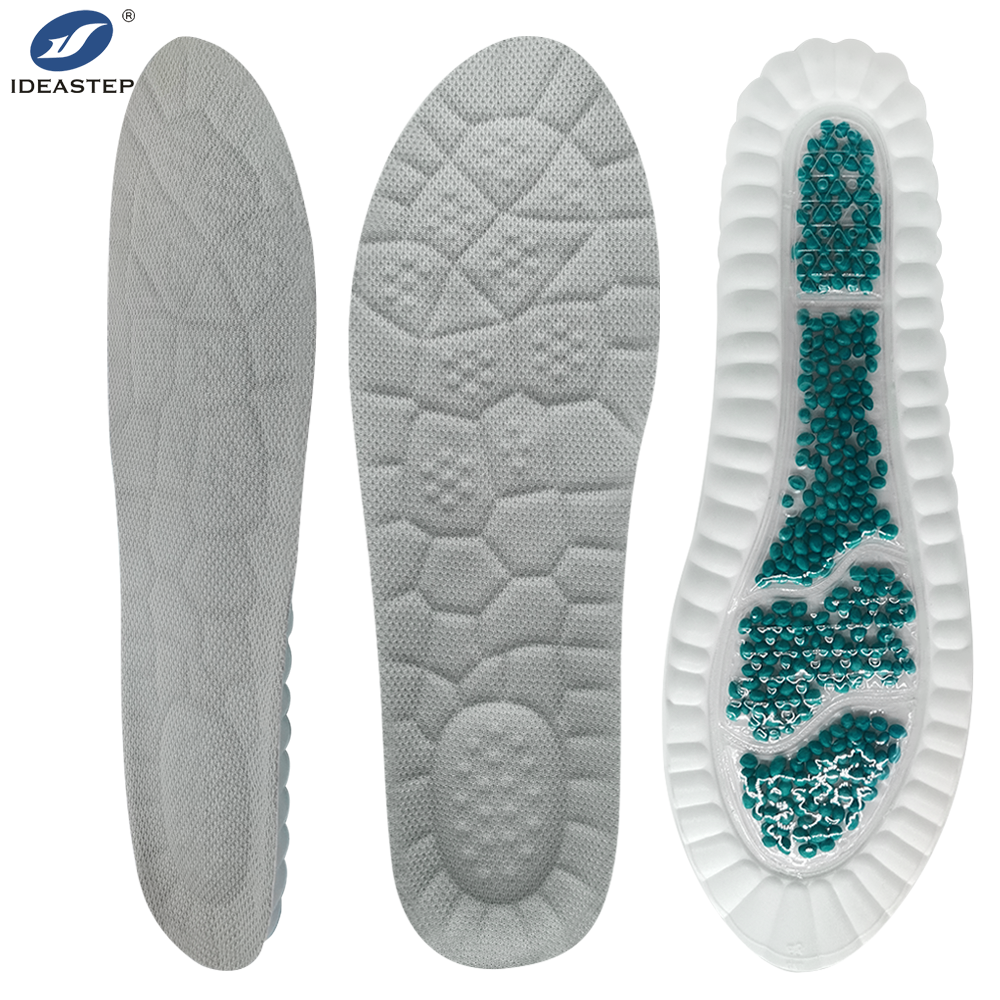
What Are Polyurethane Insoles?
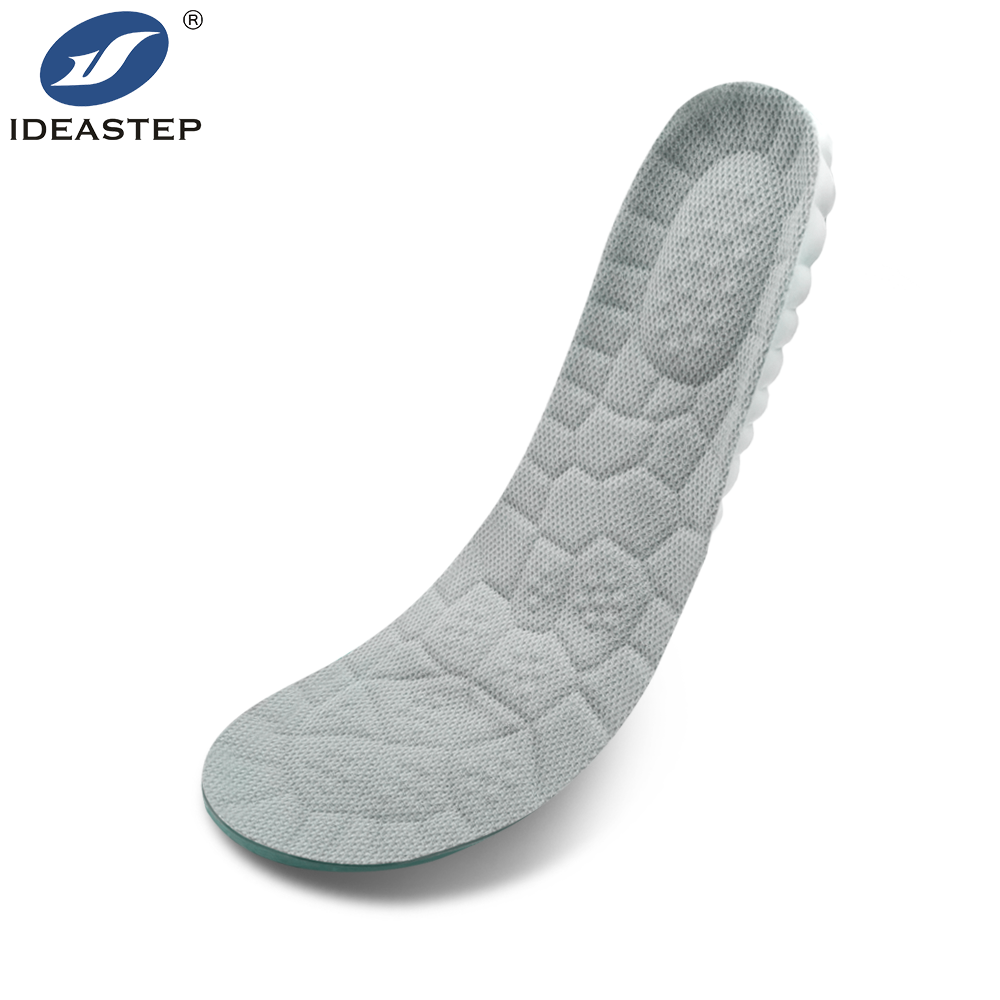
Polyurethane insoles are footwear inserts made from PU-based materials. Depending on the formulation and manufacturing process, PU foam can provide different levels of softness, firmness, cushioning, and compression recovery.
Common design considerations include:
- Density and firmness: Influence material weight, underfoot feel, and deformation behavior.
- Thickness and profile: Affect cushioning space, shoe fit, and overall insole geometry.
- Foam structure: Determines how the material responds to compression and repeated use.
- Top-cover materials: Influence surface feel, appearance, abrasion resistance, and moisture management.
- Construction: May include molded contours, layered materials, or other application-specific features.
PU is not a single material grade. Its performance varies with formulation, density, foam structure, and finished construction. Buyers should evaluate the actual product rather than relying on the material name alone.
Benefits of PU Insoles for Wholesale Footwear Brands
Cushioning and Material Flexibility
PU foam can be formulated for different cushioning requirements, making it suitable for selected casual shoes, sneakers, work footwear, and other applications.
The right firmness depends on the shoe design and intended use. A soft insole may provide an appealing initial feel, but buyers should also evaluate compression recovery and shape retention after repeated use.
Custom Shapes and Construction
OEM PU insoles can be developed in different thicknesses, profiles, and surface finishes, depending on the manufacturer’s capabilities.
Common options include:
- Flat or contoured insole profiles
- Customized heel and forefoot thicknesses
- Fabric-covered surfaces
- Molded shapes and selected layered constructions
- Custom logos, colors, and packaging
The finished design must fit the target shoe and remain consistent with its intended use.
Private-Label Product Development
For footwear brands, customized insoles provide another way to differentiate a product line. Brands can specify the cushioning feel, insole profile, surface material, and visual details to match their footwear collections.
Before finalizing a design, buyers should balance appearance, fit, performance requirements, and target production cost.
Suitable Footwear Applications
PU insoles may be considered for:
- Casual and everyday footwear
- Selected sneakers and sports-inspired shoes
- Work shoes and boots
- Dress shoes with specific insole profile requirements
- Private-label footwear collections
Material selection should reflect the actual application. Work footwear, for example, may require additional evaluation of compression behavior, wear resistance, or other relevant properties.
PU Insoles vs. EVA Insoles
PU and EVA are both widely used in footwear, but their suitability depends on the formulation, construction, and product requirements.
| Comparison Factor | PU Insoles | EVA Insoles |
|---|---|---|
| Cushioning | Available in different softness and firmness levels | Available in different softness and firmness levels |
| Weight | Depends on foam density and construction | Often selected for lightweight applications |
| Processing | Suitable for selected molded and shaped designs | Suitable for cutting, shaping, and molding, depending on the foam |
| Customization | Foam characteristics, contours, and layered constructions | Density, hardness, thickness, and profile |
| Selection Priorities | Cushioning response, foam structure, and geometry | Weight, firmness, fabrication, and cost |
Neither material is universally better. PU may suit a particular cushioning profile or molded construction, while EVA may be preferred when low weight or specific fabrication requirements are priorities.
For OEM projects, compare samples made for the same footwear application. Evaluate fit, weight, compression response, durability, and unit cost before choosing a material.
PU Insole OEM Customization Options
1. Density and Firmness
Density measures mass per unit volume, while firmness describes how a material responds to an applied load. These properties are related but not interchangeable.
Buyers should specify the desired underfoot feel and performance requirements, then work with the manufacturer to identify a suitable material grade. Where necessary, confirm the selection through documented specifications and testing.
2. Thickness and Shape
Insole thickness affects cushioning and the space available inside the shoe. Changes to heel height, forefoot thickness, or arch contour can also influence fit.
OEM specifications may include:
- Overall thickness and size range
- Heel and forefoot profiles
- Arch contour and heel cup geometry
- Edge shape and trimming requirements
- Length and width tolerances
Whenever possible, test samples inside the actual footwear model before approving the design.
3. Top-Cover Materials
Depending on the construction, PU insoles can be combined with mesh, textile, synthetic leather, or other compatible cover materials.
Consider abrasion resistance, surface feel, color consistency, bonding compatibility, and moisture management when selecting a top cover. Claims about breathability or moisture control should be supported by evidence relevant to the finished product.
4. Logo and Packaging
Private-label customization may include printed logos, brand colors, size markings, labels, barcodes, and individual or bulk packaging.
Approve the artwork, logo placement, packaging specifications, and carton markings before mass production. Documenting these requirements helps prevent inconsistencies between approved samples and finished orders.
How to Develop a Custom PU Insole OEM Project
A defined development process helps reduce design changes and production issues.
Step 1: Define Product Requirements
Provide the manufacturer with the intended footwear application, target market, size range, preferred cushioning feel, thickness, color, and estimated order quantity.
Drawings, reference samples, or existing insole specifications can help clarify the requirements.
Step 2: Confirm Material and Construction
Discuss suitable PU formulations, foam characteristics, manufacturing methods, and top-cover options.
Review the trade-offs between cushioning, weight, fit, tooling requirements, and target cost before confirming the design.
Step 3: Evaluate Samples
Check samples for dimensions, thickness, surface finish, edge quality, and fit inside the intended footwear.
Depending on the application, additional testing may cover compression recovery, compression set, dimensional stability, abrasion resistance, or bonding strength.
Record the approved specifications for production reference.
Step 4: Confirm MOQ, Tooling, and Lead Time
Custom molds, special materials, and packaging can affect minimum order quantities and production schedules.
Confirm the following before placing an order:
- MOQ by design, color, and size
- Existing tooling availability or new mold requirements
- Sample and tooling charges
- Production lead time after sample approval
- Packaging and shipping arrangements
MOQ and lead time vary by construction, order volume, and material availability. Request project-specific terms rather than relying on general estimates.
Step 5: Approve the Pre-Production Sample
The pre-production sample should match the agreed material, dimensions, color, construction, and branding requirements.
Document any changes and approve them before mass production. Changes to foam grade, thickness, or top-cover material may affect fit, performance, and cost.
Step 6: Establish Quality-Control Standards
Agree on measurable specifications and inspection criteria before production starts.
A quality-control plan may include dimensional checks, visual inspection, material verification, bonding checks, performance testing, and packaging inspection.
Quality Control for Bulk PU Insole Orders
Consistent production matters as much as the quality of the initial sample. Variations in foam properties, dimensions, or assembly can affect the fit and feel of the finished footwear.
Material Consistency
Specify the relevant foam grade and measurable properties. Depending on the application, these may include density, hardness or indentation response, compression set, and dimensional stability.
Always identify the test method when comparing material results.
Dimensional Accuracy
Check length, width, thickness, heel geometry, and other critical dimensions against approved drawings or samples.
For multi-size orders, verify the specifications for each size rather than assuming that one sample represents the entire range.
Bonding and Surface Quality
For layered insoles, inspect the bond between the PU foam and the top cover or other components.
Look for peeling edges, wrinkles, uneven bonding, contamination, and inconsistent trimming. Use appropriate tests where the product requirements justify them.
Performance Testing
Testing should reflect the intended application and agreed product specifications. Different footwear categories may require different evaluations.
ISO/TS 20955:2024 addresses performance requirements and test methods for footwear insole components. Buyers should confirm which provisions apply to their product and market rather than assuming that one standard covers every requirement.
How to Choose a Reliable PU Insole OEM Manufacturer
Manufacturing Capabilities
Confirm that the supplier can produce the required shapes, size range, material combinations, and order volume.
For custom-molded products, ask about tooling capabilities, design revisions, and sample development. Request relevant product samples and technical information to support your evaluation.
Sample and Production Consistency
Ask how approved samples, material specifications, dimensional tolerances, and production changes are documented.
A clear approval process is especially important for repeat orders, when consistency between batches is a priority.
Quality Documentation
Depending on the project, relevant documents may include material specifications, inspection records, test reports, and applicable compliance documents.
Verify certification and compliance claims against supporting documents. A factory-level certification does not automatically establish that every product meets every performance requirement.
Total Purchasing Cost
Compare the full project cost, not just the unit price. Consider tooling, sampling, packaging, inspection, freight, and potential costs associated with defects or production delays.
A supplier’s value should be assessed through its actual manufacturing capabilities, quality controls, delivery terms, and documented performance.
Common Mistakes When Buying PU Insoles in Bulk
- Choosing by material name alone: Different PU formulations can have significantly different properties. Confirm the material specifications and evaluate samples.
- Approving samples without checking fit: Test the insole in the intended shoe rather than assessing it separately.
- Using vague quality requirements: Replace descriptions such as “soft” or “durable” with measurable specifications and appropriate tests.
- Changing specifications after approval: Document and review changes to materials, dimensions, cover fabrics, and tooling before production.
- Overlooking packaging requirements: Confirm size labels, barcodes, carton markings, and private-label artwork before ordering.
- Selecting a supplier based only on price: Compare total cost, product consistency, production capabilities, and quality-control procedures.
Frequently Asked Questions About PU Insole OEM
Are PU insoles suitable for wholesale footwear brands?
PU insoles can suit brands seeking specific cushioning characteristics, shaped profiles, and customized constructions. The appropriate material depends on the footwear design, intended use, and target cost.
Can PU insoles be customized with a private label?
Depending on the manufacturer’s capabilities, customization may include dimensions, shape, top-cover materials, colors, logos, and packaging. Confirm available options, MOQ, and tooling requirements before ordering.
What information is needed for a PU insole quotation?
Provide the footwear application, size range, preferred material and firmness, thickness, drawings or reference samples, top-cover requirements, branding details, estimated quantity, and destination market.
If the design is not finalized, describe the intended application and target cost so the manufacturer can recommend options.
What is the MOQ for custom PU insoles?
There is no universal MOQ. It depends on the manufacturing process, tooling, materials, size assortment, packaging, and supplier requirements. Request a quotation based on the actual project specifications.
How can I check PU insole quality before mass production?
Evaluate a representative sample inside the intended footwear, verify dimensions and material specifications, and agree on appropriate performance tests and inspection criteria. Establish these requirements before production begins.
Are PU insoles better than EVA insoles?
Neither material is best for every application. PU may suit certain cushioning profiles and constructions, while EVA may be preferred for weight, fabrication, or cost considerations. Compare finished samples against the actual product requirements.
Discuss Your PU Insole OEM Project with Ideastep
Ideastep works with footwear and insole buyers to explore material options, product designs, and customization requirements.
When requesting a quotation, provide your footwear application, target specifications, estimated order quantity, and branding requirements. These details help establish the appropriate material, construction, and production plan for your project.
Contact Ideastep to discuss your custom polyurethane insole requirements for wholesale footwear production.
Explore More: Ideastep New orthotic foot inserts manufacturers for Shoemaker.