1. Types of Heel Support Inserts
Heel support inserts vary in shape and function. Choosing the right type depends on the intended application and the space available inside the shoe.
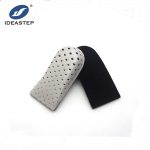
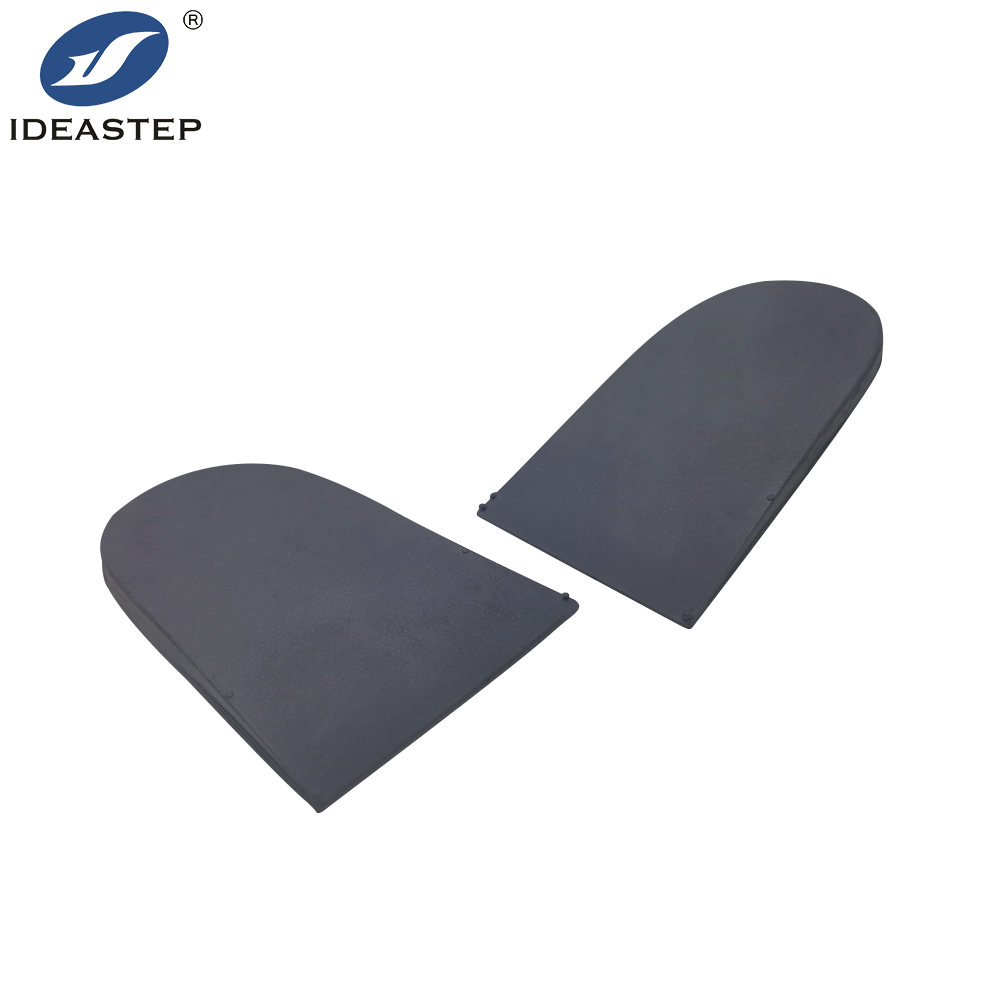
- Heel pads: Provide cushioning beneath the heel and are often used in everyday footwear.
- Heel cups: Surround part of the heel to provide a more structured fit.
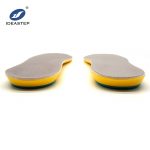
- Orthotic insoles with heel support: Combine heel cushioning with other features, such as arch support, in a full-length or partial-length design.
These products are not interchangeable. A heel pad primarily adds cushioning, while a heel cup has a shaped structure. An orthotic insole may incorporate additional features to address specific foot and footwear requirements.
For brands developing a new product, define its intended function and target footwear before selecting the design.
2. Why Choose Custom Heel Support Inserts?
Standard inserts may not fit every shoe design or market requirement. Custom development gives brands greater control over product specifications and presentation.
- Footwear compatibility: Adjust dimensions and thickness to suit different shoe styles.
- Material selection: Choose materials according to cushioning, support, durability, and cost requirements.
- Private labeling: Add brand colors, logos, labels, and retail packaging where supported by the production process.
- Product differentiation: Develop specifications that match a particular customer group or product line.
For wholesale buyers, a clearly defined design also makes it easier to compare supplier quotations, approve samples, and reorder the same product.
3. Choosing Materials for Heel Support Inserts
The right material depends on the desired cushioning, structural support, weight, durability, and target price. Material performance also varies with formulation, density, hardness, and product construction.
EVA Foam
EVA foam is widely used in footwear components because it is lightweight and available in different hardness levels and densities. Depending on the specification, it can provide cushioning or a firmer base for a heel insert.
It is worth considering when weight, shape, processing requirements, and cost need to be balanced.
PU Foam
Polyurethane foam is available in a range of formulations, including soft cushioning grades. It may suit heel inserts where a softer underfoot feel is a priority.
Buyers should evaluate compression recovery and durability on the finished product rather than assuming all PU foams perform alike.
Gel and Silicone
Gel and silicone-based materials are used in selected heel pads and cushioning zones. They can provide localized cushioning but may add weight, thickness, or cost.
A combination of gel and foam may be suitable when the design needs both a cushioning layer and a supporting base.
TPU and Other Structural Materials
TPU and other structural components may be used when the design requires a more defined shape or additional rigidity. Their suitability depends on the component geometry, stiffness, and intended application.
The best material should be selected through product specifications and sample testing, not material names alone.
4. Key Design Factors
Material selection is only one part of the development process. The insert must also fit the shoe without taking up excessive internal space.
Heel Cup Shape and Depth
A heel cup surrounds part of the heel, so its depth, width, and contour affect fit and stability. A deeper design may provide more structure but can be unsuitable for shoes with a shallow heel area.
Whenever possible, test the insert in the actual footwear before approving the design.
Thickness and Cushioning
A thicker insert does not automatically provide a better result. Excessive thickness may lift the heel, reduce available shoe space, or affect the fit.
Choose dimensions according to the shoe construction and the intended product function.
Footwear Compatibility
Different shoe types have different design constraints:
- Dress shoes: Usually require a slim profile.
- Casual shoes: May allow more flexibility in thickness and surface materials.
- Work boots: May accommodate a more substantial insert, depending on internal space.
- Sports shoes: Require attention to fit, cushioning, and stability during movement.
These are general considerations. Testing representative shoe models is the most reliable way to identify fit problems.
Top Cover and Anti-Slip Design
The top cover affects surface feel, appearance, and contact with the foot. Textile and microfiber are possible options, depending on the product.
The underside should also be evaluated to determine whether the insert stays in position. Adhesives and anti-slip features must be compatible with the shoe’s footbed and lining.
5. OEM and ODM Customization Options
Foot care brands can use OEM or ODM arrangements depending on how much of the product design they want to control.
ODM development may start with an existing design that can be adapted through selected changes to size, color, surface material, branding, or packaging.
OEM development may begin with the buyer’s drawing, physical sample, or technical specification. Depending on feasibility, customization can involve dimensions, material combinations, and structural components.
Common options include:
- Insert shape, dimensions, and thickness
- Material type and hardness
- Cushioning layers or support components
- Top-cover fabric and color
- Logo placement and branding
- Labels, barcodes, and retail packaging
When requesting a quotation, provide the target footwear, intended function, size range, estimated quantity, target price, and branding requirements. A reference sample or technical drawing can help the manufacturer assess feasibility.
6. Quality Control Before Bulk Production
Before approving a bulk order, agree on inspection criteria and document the product specifications.
- Dimensions: Verify length, width, thickness, and contour.
- Material consistency: Confirm that production materials match the approved specification.
- Compression recovery: Assess how the material responds after repeated compression.
- Bonding strength: Check for separation in multi-layer constructions.
- Surface quality: Look for uneven edges, wrinkles, and visible defects.
- Footwear fit: Check internal clearance, heel positioning, and the potential for slipping.
- Batch consistency: Compare finished products with the approved sample.
For larger orders, buyers can agree on a sampling plan and pre-shipment inspection before production starts.
If the product is marketed for a specific medical application, assess applicable testing, documentation, and regulatory requirements for the target market. Product design alone does not establish a therapeutic benefit.
7. MOQ, Pricing, and Lead Time
The cost of custom heel support inserts depends on material selection, dimensions, construction, tooling, branding, packaging, and order quantity.
When requesting a quotation, ask about:
- Sample development and tooling charges
- Unit prices at different order quantities
- Custom material and color costs
- Logo and packaging charges
- Production lead time
- Inspection and shipping arrangements
Minimum order quantity (MOQ) varies by supplier and production method. Designs using standard materials and existing tooling may have different requirements from products that need new molds or specialized components.
Confirm whether the quoted lead time includes sampling, sample approval, material preparation, bulk production, inspection, and shipment. Comparing suppliers against the same specifications gives a more reliable view of overall value.
8. How to Choose a Custom Heel Insert Manufacturer
When evaluating a supplier, focus on its ability to develop the product, maintain quality, and reproduce the approved specifications.
- Product experience: Ask about experience with heel pads, heel cups, or similar footwear components.
- Material knowledge: Check whether the supplier can explain material differences and their practical trade-offs.
- Sampling capability: Confirm how samples, revisions, and final approval are handled.
- Quality management: Ask how incoming materials and finished products are inspected.
- Customization options: Verify available sizes, thicknesses, materials, branding, and packaging.
- Repeat-order consistency: Confirm how approved samples and specifications are recorded for future production.
Changes to material hardness, dimensions, or construction should be documented and approved before they are introduced into production.
9. Common Mistakes to Avoid
Several sourcing mistakes can increase costs or cause avoidable quality issues:
- Choosing materials before defining the application: Establish the product’s intended function and footwear requirements first.
- Ignoring internal shoe space: An insert that is too thick may affect fit.
- Relying on photos alone: Images cannot confirm material firmness, dimensions, or fit.
- Skipping sample approval: Test the product before committing to bulk quantities.
- Comparing incomplete quotations: Check that materials, branding, packaging, and inspection requirements match.
- Leaving quality standards undefined: Record dimensions, material details, appearance requirements, and acceptance criteria before production.
A written specification gives both the buyer and manufacturer a clear reference throughout the order.
10. Frequently Asked Questions
Can custom heel support inserts be developed for different shoe types?
Yes. Designs can be developed for dress shoes, casual shoes, work boots, and sports footwear. Dimensions, thickness, and materials should be selected according to the shoe’s internal space and intended use.
Which material is best for custom heel support inserts?
There is no single best material for every application. EVA, PU foam, gel, silicone, and TPU have different characteristics. Selection depends on cushioning, structural requirements, durability, weight, manufacturing method, and target price.
Can foot care brands add their own logo and packaging?
Depending on the product and manufacturing process, options may include logos, colors, surface materials, labels, barcodes, and retail packaging. Confirm available options and minimum order requirements before sampling.
What information is needed for a wholesale quotation?
Provide the product dimensions, intended application, material preferences, quantity, branding requirements, packaging details, and target delivery date. A reference sample or technical drawing can clarify the design.
Should I approve a sample before bulk production?
Yes. Sample approval allows you to check dimensions, fit, material feel, workmanship, and branding before placing a larger order. Keep the approved sample and written specifications as references for repeat production.
Develop Custom Heel Support Inserts for Your Brand
Successful product development starts with a clear application, suitable materials, and dimensions that work with the intended footwear. For foot care brands and wholesale buyers, sample approval and documented quality standards are essential to maintaining consistency across bulk orders.
Ideastep provides custom orthotic insole development, OEM/ODM manufacturing, and wholesale support for foot care brands, distributors, and footwear companies.
To discuss a custom heel support project, prepare your target footwear, design requirements, estimated quantity, and material preferences. These details help establish the scope of development and support a more accurate quotation.
Related Post: Heel Support Inserts for Shoes Wholesale OEM ODM Solutions.