Developing custom made shoe orthotics starts with understanding the footwear they are designed for. A running shoe, work boot and dress shoe have different internal dimensions, sole structures and fitting requirements. These differences affect the orthotic’s thickness, shape, flexibility and support components.
For orthotic manufacturers and footwear brands, the challenge is to develop an insert that fits the shoe without compromising its intended function. Several design factors need to be considered before selecting materials or finalizing the product structure.
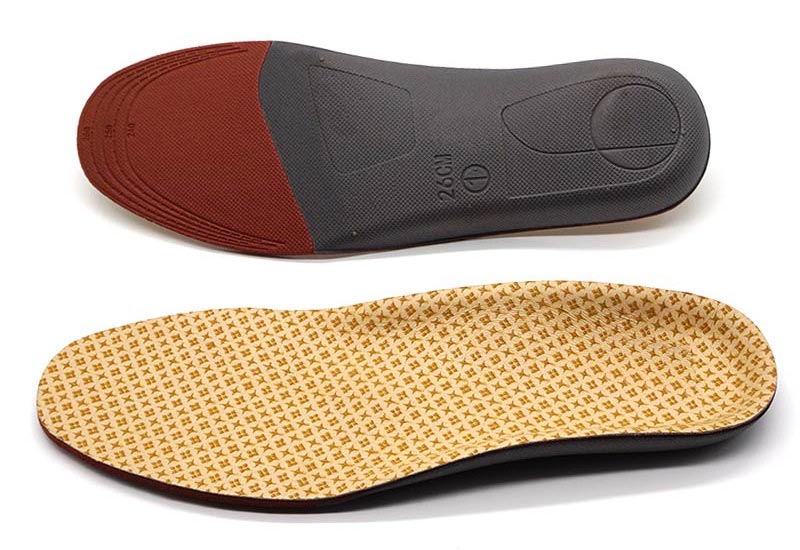
1. Understand the Footwear Before Designing the Orthotic
The shoe determines how much space is available and where the orthotic can provide support. Key details include:
- Internal volume: Available space around the heel, arch and toe box.
- Heel height: Influences foot position and the required heel profile.
- Sole flexibility: Affects how the orthotic should bend with the shoe.
- Footbed shape: Determines the insert’s length, width and contour.
- Upper construction: Narrow or low-volume footwear may limit insert thickness.
Whenever possible, development should use the actual shoe model or a physical reference sample. Shoes within the same category can have substantially different internal dimensions, so category-based assumptions are not enough.
2. Design Requirements Across Different Footwear Types
Running and Sports Shoes
Sports footwear needs to accommodate repeated movement and sole flexing. The orthotic should provide the required support without making the shoe unnecessarily heavy or restricting its natural movement.
Common design priorities include:
- Lightweight base construction.
- Appropriate heel positioning and stability.
- Forefoot flexibility that matches the shoe’s flex point.
- Cushioning without excessive thickness.
- A secure fit that prevents the insert from shifting.
Running shoes, court shoes and training shoes should not automatically use the same orthotic design. Their sole structures and movement requirements differ.
Work Boots and Safety Shoes
Work boots often have thicker soles and more substantial uppers. Safety footwear may also contain protective toe caps and other components that reduce internal space.
Orthotic development should account for:
- Resistance to repeated compression.
- Durable cushioning materials.
- Compatibility with protective footwear components.
- Suitable heel and midfoot support.
- Sufficient internal clearance after installation.
The finished insert must not interfere with the footwear’s protective construction or alter its intended fit.
Casual and Everyday Shoes
Casual footwear covers a wide range of designs, including sneakers, slip-ons and low-profile shoes. Internal space can vary considerably.
For these products, overall thickness and edge shape are particularly important. An insert that is too thick may lift the heel or make a slip-on shoe less secure. A balanced construction should provide the required support while preserving the shoe’s original fit.
Dress Shoes
Dress shoes generally offer less internal volume, especially around the forefoot. Thick cushioning layers and bulky support shells may not fit comfortably.
Design considerations include:
- Slim overall thickness.
- Narrower forefoot profiles where required.
- A heel shape compatible with the shoe.
- Minimal interference with the original fit.
- A suitable surface finish.
Three-quarter-length orthotics may be considered when a full-length design takes up too much forefoot space. The decision should depend on the shoe’s dimensions and the required support structure.
Orthopedic and Specialty Footwear
Some orthopedic shoes have removable footbeds or additional internal volume, allowing more flexibility in orthotic design.
Depending on the application, the insert may require a defined support base, a deeper heel cup or specific accommodation features. Manufacturers should work from clear dimensional specifications and relevant professional design instructions rather than relying on a standard insert profile.
3. Adapt the Orthotic Profile to the Shoe
The heel, arch and forefoot should be designed as connected parts of the same structure. Changing one area can affect the fit of the entire insert.
Heel Cup
Heel cup depth, width and contour should match the shoe’s heel seat. A deep profile may work in one shoe but take up too much space in another.
The transition from the heel into the midfoot should also be considered. Abrupt changes in height can affect fit and create unwanted pressure points.
Arch Position and Height
Arch height and length should be matched to the intended design and the shoe’s internal geometry. A profile that extends too far forward or sits too high may interfere with the fit.
For products supplied in multiple sizes, arch position should be checked across the size range. Simply enlarging one profile proportionally may not produce the correct geometry for every size.
Forefoot Shape and Flex Point
The forefoot should follow the shoe’s toe shape and natural bending area. A rigid component extending across a flexible section may restrict movement, while an overly flexible structure may not maintain the intended profile.
The shoe’s flex point is therefore an important reference when positioning support components.
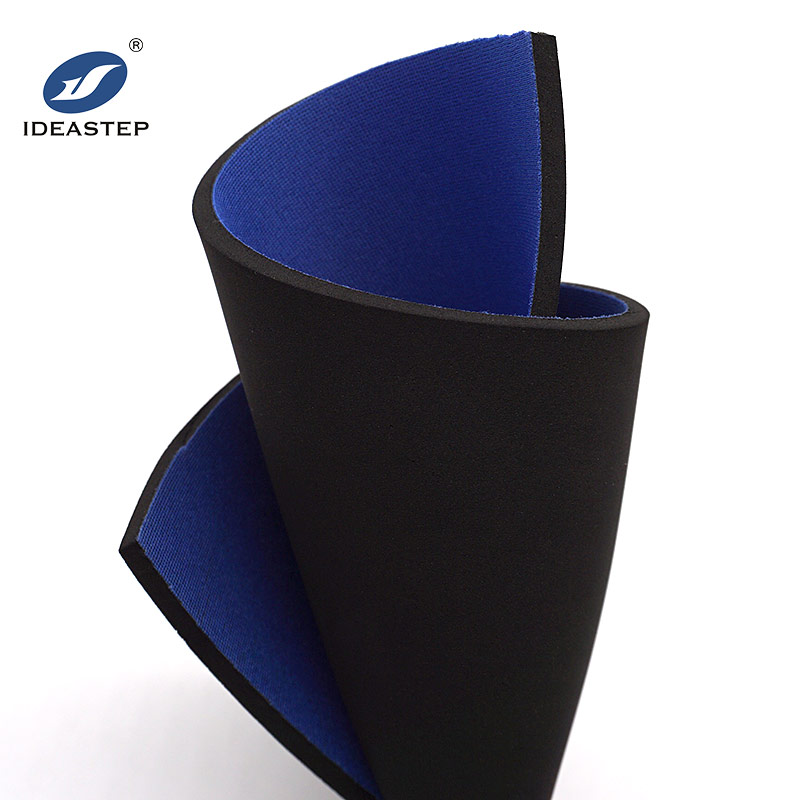
4. Select Materials for the Intended Application
Material selection should reflect the footwear requirements and the role of each component.
| Material | Common Application | Main Consideration |
|---|---|---|
| EVA | Base layers and cushioning components | Hardness and thickness affect flexibility and compression |
| PU | Foam cushioning and heel components | Formulation influences resilience and compression behavior |
| PP | Structured support shells | Thickness and geometry affect stiffness |
| TPU | Molded support and reinforcement components | Grade and shape determine flexibility and durability |
| Poron | Localized cushioning | Thickness and placement affect the finished profile |
| Cork | Firm footbed and support constructions | Weight and flexibility need to be considered |
| Fabric | Top covers and surface finishing | Texture, abrasion resistance and bonding compatibility |
Different materials can be combined to meet specific requirements. For example, a structured PP shell with an EVA or PU covering can provide a defined base with a cushioning surface.
However, additional layers also increase thickness and assembly complexity. The material combination should fit the shoe’s available space rather than add components without a clear purpose.
5. Evaluate Samples Inside the Actual Footwear
A prototype should be tested in the shoe it is intended for. Reviewing the insert separately will not reveal every fitting issue.
During sample evaluation, check:
- Overall length, width and thickness.
- Heel cup alignment with the shoe’s heel seat.
- Arch position and contour.
- Forefoot movement during shoe flexing.
- Toe-box clearance and heel positioning.
- Transitions between different materials and thicknesses.
- Bonding and edge finish.
When a sample does not fit as expected, identify the source of the problem before changing the design. For example, excessive heel lift may result from overall thickness rather than the heel cup itself. A forefoot fitting issue may come from the insert width or toe shape.
Specific feedback helps manufacturers make targeted adjustments instead of repeatedly changing the entire construction.
6. Account for Size Grading and Production Consistency
An approved sample in one size does not guarantee a suitable fit across the complete range. Heel dimensions, arch position, forefoot width and shoe volume change with size.
Before production, manufacturers should establish:
- Dimensions for each size or size group.
- Arch and heel profile specifications.
- Material thickness and component positions.
- Acceptable dimensional tolerances.
- Reference samples for production inspection.
These details are particularly important for wholesale and private label orders, where the same design may need to be reproduced across several sizes and repeat orders.
7. Information Needed Before Bulk Production
Clear product information helps manufacturers assess feasibility and avoid unnecessary sample revisions.
Buyers should provide:
- Target footwear category and shoe model.
- Physical shoe samples or reliable dimensional references.
- Required insert length, width and thickness.
- Heel, arch and forefoot design requirements.
- Material preferences and component specifications.
- Size range and grading requirements.
- Branding and packaging details.
- Approved sample, MOQ and production schedule.
The footwear reference is especially important. An orthotic may match a technical drawing but still fail to fit the actual shoe because of differences in internal volume or construction.
Conclusion
Custom made shoe orthotics need to be developed around the footwear they will be used in. Heel geometry, arch position, forefoot flexibility and available internal space all influence the final design.
For manufacturers and wholesale buyers, evaluating the insert inside the target shoe and documenting size-specific specifications are essential steps. This approach helps reduce fitting problems and makes the approved design easier to reproduce in bulk production.
Related Post: Custom Made Shoe Orthotics: How Material and Shell Design Shape the Final Product.