Prefabricated Orthotics as a Scalable Private Label Asset for Clinics, Distributors and Footwear Brands
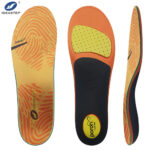
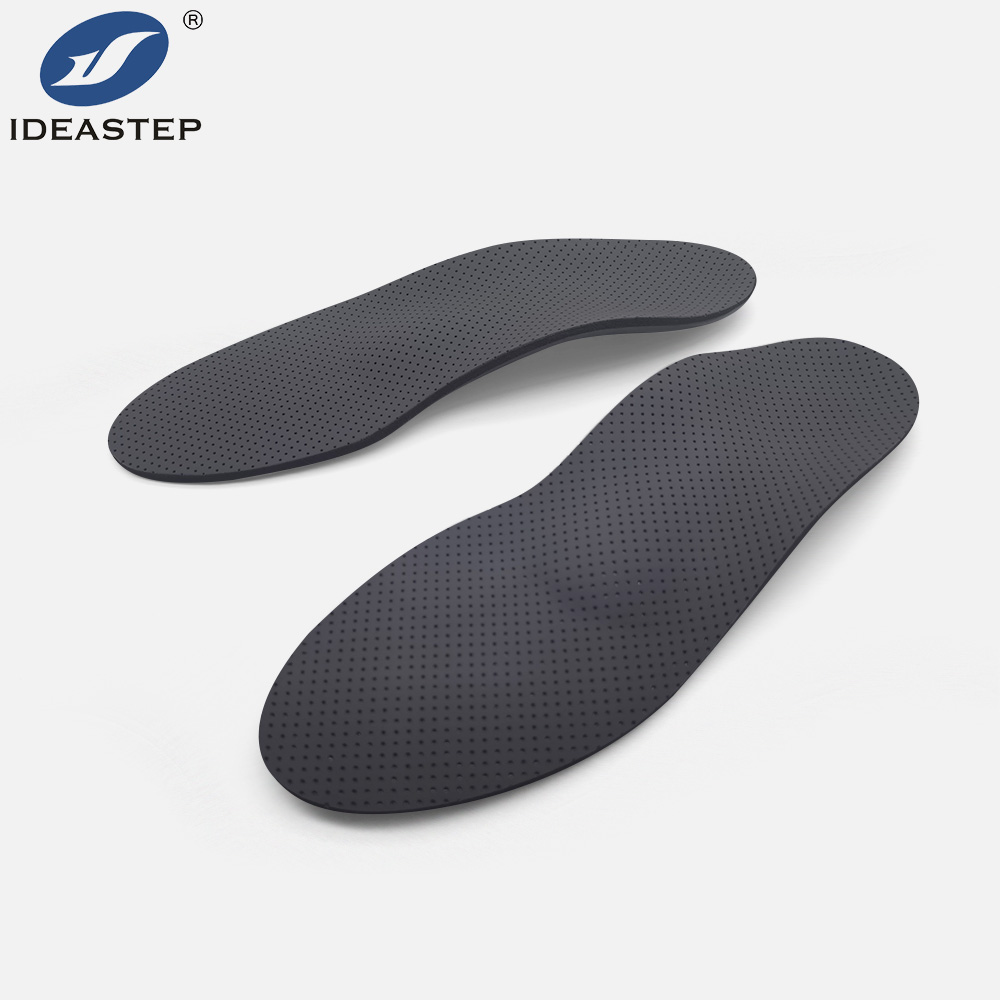
Prefabricated orthotic insoles sit between basic comfort inserts and fully custom prescription orthotics. They serve podiatry clinics, medical distributors, athletic footwear brands and foot care wholesale partners. Private label prefabricated orthotics remove the burden of in-house fabrication. They let businesses own their product identity, clinical messaging and pricing strategy. Experienced orthotic suppliers follow a biomechanics-driven workflow. This process turns a brand brief into market-ready, compliant prefabricated orthotics with stable performance across production runs.
Step 1: Align Specifications, Clinical Indications and Target Market Requirements
The development process starts with a discovery session. Manufacturers collaborate with B2B partners to lock in core product parameters. This step separates generic white-label insoles from differentiated private label orthotics. Teams define which foot conditions the insert will support. Common targets include overpronation, plantar fasciitis, metatarsal pressure overload and mild high arch instability. They also confirm shoe compatibility, sizing ranges and rigidity grades. Teams set price positioning and regional regulatory rules. These rules cover CE marking, ISO 13485 documentation and MDR technical file packages.
Manufacturers translate these needs into clear biomechanical targets. These targets include arch height, heel cup depth and rearfoot posting angle. They also note metatarsal pad placement and weight-bearing pressure zones. This avoids a common mistake: selling one single-profile insert for every foot issue. That mistake weakens clinical credibility and raises return rates for clinic partners.
Step 2: Material Stack Selection and Structural Design Validation
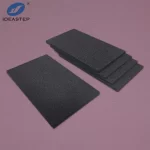
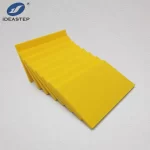
Once the performance brief is signed off, material engineers build multi-layer constructions. Each build fits its intended use case. Popular base materials include graded-density EVA for lightweight support. PU delivers reliable compression resistance. TPU adds rigid arch reinforcement. PORON provides targeted shock absorption. Breathable top fabrics control moisture.
Engineers document each layer’s thickness, shore hardness and bonding method. This preserves batch-to-batch consistency. Prefabricated orthotics use reusable moulds or precision die-cut profiles. They do not rely on patient-specific casting. Manufacturers test geometry with plantar pressure testing and gait reference data. The goal is predictable load redistribution without ruining shoe fit. Designers adjust shapes to match standard shoe last volumes. This cuts trimming work for clinics and simplifies inventory planning for wholesale buyers.
Step 3: Prototyping, Sampling and Clinical Review Cycles
Prototyping acts as the key quality checkpoint before mass production. The manufacturer creates physical samples matching the approved material stack and geometry. It also shares branding proofs for logo placement, printing and colour matching. Samples go through two separate evaluation streams. One stream covers lab durability testing. The other includes hands-on review by the partner’s clinical or product team.
Most private label projects go through two or three revision rounds. Adjustments usually focus on arch stiffness, edge finishing or top-sheet texture. Some teams tweak overall thickness. For medical-focused lines, partners may run small field trials. Podiatrists and physical therapists provide feedback on fit and symptom relief. Sample sign-off locks the master specification. This spec becomes the benchmark for all future production batches.
Step 4: Tooling, Mould Preparation and Production Setup
Production setup begins after sample approval. Molded prefabricated orthotics use CNC machined moulds to hold the orthotic contour. Simpler profiles rely on precision cutting dies. Tooling choices directly affect MOQ, unit cost and lead time. Trustworthy suppliers state tool ownership, revision fees and mould maintenance terms upfront for private label clients.
Factories pre-qualify raw material batches against the approved spec. Workers then cut, heat form and laminate layers. They trim and grind edges afterward. Operators follow controlled thermal cycles. These cycles prevent foam shrinkage, delamination or permanent support loss. Those defects hurt product performance once goods reach clinics and retailers.
Step 5: Quality Assurance, Regulatory Documentation and Compliance Checks
Quality control runs through every stage of production. In-line checks verify dimensions, hardness, bonding integrity and visual finish. Finished batches complete pull testing, compression fatigue testing and visual inspection before packing. For orthotics classified as medical devices, the manufacturer compiles full technical documentation. This pack includes risk assessment records and batch traceability logs. Partners need these files for audits and market access.
This step matters most for B2B buyers serving European healthcare markets. Incomplete compliance records block medical device marketing. That restriction locks partners out of podiatry clinics and medical supply networks.
Step 6: Private Label Branding, Packaging and Order Fulfilment
Branding is applied only after quality inspection. This protects logos from damage during forming or trimming. Custom options include screen printing, laser marking and embossed brand marks. Suppliers also add custom size labels, barcodes and multilingual instruction inserts. Packaging ranges from bulk polybags for clinic stock to retail blister packs and branded display boxes.
Manufacturers ship finished goods under the buyer’s brand name. No supplier branding appears unless the partner requests it. This protects patient and customer relationships. All referrals flow back to the partner instead of the original manufacturer.
Key Differences Between Private Label Prefabricated Orthotics and Custom Orthotics
Many new B2B sourcing buyers mix up prefabricated private label lines with fully custom orthotics. Prefabricated orthotics use fixed, validated profiles grouped by foot type and clinical indication. They scale easily with lower MOQs and faster lead times. Custom orthotics start from individual foot scans or casts for single patients. They carry higher unit costs and slower turnaround. Most foot care operators run both product lines. Prefabricated private label inserts handle high-volume first-line care. Custom orthotics serve complex biomechanical cases.
What B2B Partners Should Evaluate When Selecting an Orthotic Manufacturer
Not all insole suppliers hold the biomechanical expertise for clinically sound prefabricated orthotics. Buyers should check for in-house orthotist or podiatry technical support. They should review material testing capacity and medical device certification history. It also helps to confirm ODM design services are separate from simple logo printing. Flexible MOQ structures benefit clinic groups. Most start with small trial SKUs before launching a full private label line.
Transparent sampling costs, clear revision limits and stable mould retention policies reduce unexpected expenses over the product lifecycle. Strong suppliers act as an extension of the buyer’s product team. They do not merely print logos on generic foam inserts.
Conclusion
Developing private label prefabricated insoles balances biomechanical engineering, material science and quality control. It also includes brand customisation. A skilled orthotic manufacturer turns a product concept into a repeatable, compliant insert. It lets clinics and distributors build their own foot care portfolio. They avoid heavy investments in moulding labs or dedicated fabrication staff. For brands ready to expand orthotic catalogues, prefabricated private label lines deliver a practical path. They drive better margins, product differentiation and stronger loyalty with clinical customers.
Share your product brief with us. We can discuss prefabricated orthotic development, material stack options and private label packaging for your clinic or wholesale brand.
Related Articles:
Full-Length vs. Three-Quarter Length Orthotics: Design Considerations
What Makes a Good Wholesale Prefabricated Orthotic Insole?