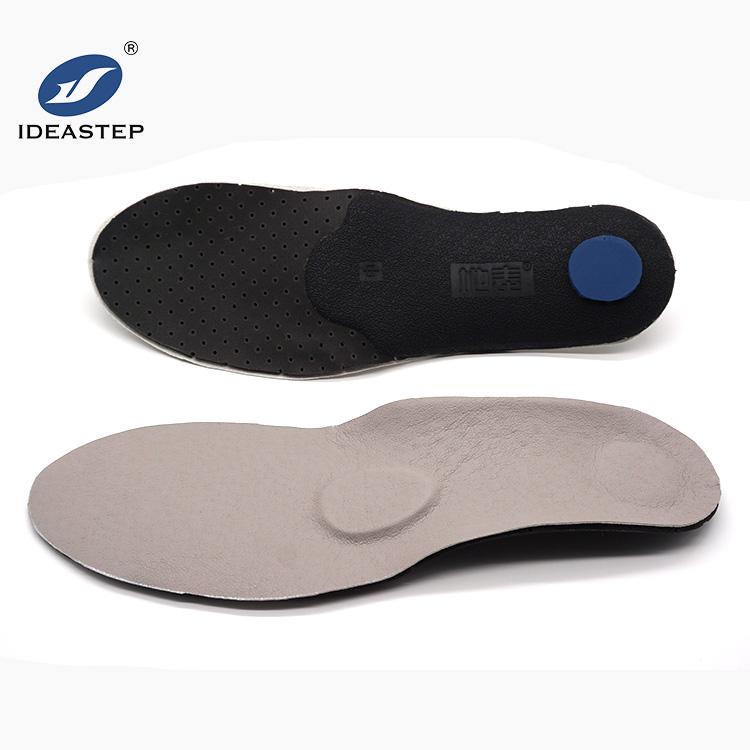
Leather remains an important material in premium footwear, particularly in products where surface quality and material coordination matter. When used in orthotic insoles, it needs to work with the underlying foam and support structure rather than serve as a decorative layer alone.
For footwear brands and orthotic insole manufacturers, developing leather orthotics involves several decisions: which leather to use, how thick the top cover should be, what backing material to select, and how to integrate cushioning and support components. Each choice affects the finished insole and its compatibility with the target shoe.
Choosing Leather for Orthotic Insoles
The leather top cover has a direct influence on an insole’s appearance and surface finish. Different leather types offer different textures and processing characteristics, so material selection should reflect the footwear category and product specifications.
Genuine Leather
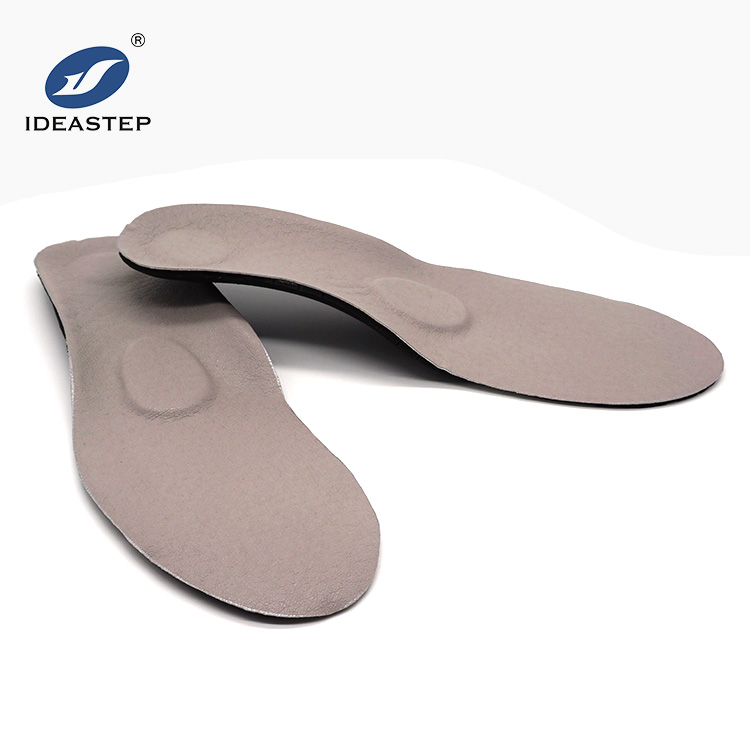
Genuine leather is a common choice for premium insole top covers. Its natural grain and appearance work well with dress shoes and other footwear collections that use leather uppers or refined interior finishes.
Before selecting a leather material, manufacturers should check:
- Grain and surface consistency
- Color and finish requirements
- Thickness and flexibility
- Batch-to-batch material variation
- Compatibility with adhesives and backing materials
Leather can vary in texture and quality between suppliers. Reviewing samples before production helps buyers confirm the material’s appearance and suitability for the intended construction.
Suede and Textured Leather
Suede and other textured finishes offer alternatives to smooth leather. Their surface characteristics can complement particular footwear styles and product collections.
The choice should account for the complete shoe design, not just the insole itself. Manufacturers also need to consider how the material bonds with its backing and how it fits into the finished layer structure.
Leather Thickness and Backing Materials
Leather thickness affects the overall insole profile. A thicker top cover may require adjustments to the foam layer or support base, particularly when the target shoe has limited internal space.
Backing materials also influence how leather integrates with the rest of the construction. Flexibility, bonding compatibility, and dimensional consistency should all be considered during material selection.
Common Construction Options for Leather Orthotics
The construction of a leather orthotic depends on its intended use and the internal dimensions of the footwear. Some designs use a simple leather-and-foam combination, while others include a semi-rigid support shell.
Leather Top Cover with Foam
Combining a leather top cover with EVA or PU foam provides a straightforward multi-layer construction.
Leather forms the visible upper surface, while the foam sits underneath as the cushioning layer. Manufacturers can select the foam type and thickness according to the product specifications and available shoe space.
This arrangement is suitable for projects that require a leather finish without relying on a single-material insole base.
Leather with a Semi-Rigid Support Shell
For designs that require a defined support structure, manufacturers can combine leather with a semi-rigid component such as a PP shell.
The shell forms part of the insole base, while the leather covers the upper surface. Its shape, coverage, and position need to match the footwear dimensions and overall insole profile.
The main design challenge is coordinating the shell with the surrounding foam and top-cover layers. Poorly matched dimensions can affect the finished thickness and fit.
Full-Length Leather Construction
Some premium insoles use leather across most or all of the footbed. Depending on the design, manufacturers may add foam, a supporting base, or other materials beneath it.
In this type of construction, leather thickness and edge finishing deserve particular attention. The underlying layers must also maintain a consistent profile across the length of the insole.
Combining Leather with Other Insole Materials
Leather does not need to form the entire insole. Combining it with foam and structural materials gives manufacturers more flexibility when developing products for different footwear categories.
EVA can serve as the insole base or as a cushioning layer beneath leather. Its hardness, density, and thickness should follow the project specifications. This combination offers a practical approach to multi-layer insole production.
PU Foam
PU foam provides another option for the cushioning layer. Manufacturers can place it beneath the leather cover or combine it with other materials, depending on the required construction. The foam specifications should remain compatible with the leather and bonding process.
PP Support Components
PP shells can form part of the structural base in selected orthotic designs. Their shape and dimensions need to correspond to the target footwear and the intended insole profile.
Fabric Backing
Fabric backing can support the leather top-cover construction. Material selection should account for thickness, bonding compatibility, and how the backing interacts with the layers below.
Not every design needs all these materials. The right combination depends on the footwear dimensions, product requirements, and desired construction. Adding layers without a clear purpose can make the insole unnecessarily bulky.
Construction Details for Premium Footwear
Premium footwear often leaves limited room for changes to the insole. A leather orthotic must therefore fit the shoe’s internal dimensions while maintaining the intended surface finish and layer structure.
During product development, manufacturers should pay attention to several details:
- Overall thickness: The complete insole needs to fit within the available shoe space.
- Leather finishing: Grain, color, edge trimming, and surface consistency should match the product requirements.
- Layer bonding: Adhesives and bonding methods must suit the leather, backing, and foam materials.
- Support geometry: Any support shell should match the intended insole profile and footwear dimensions.
- Production consistency: Material selection and processing specifications should remain consistent across batches.
These factors often affect one another. For example, changing the leather thickness can alter the total insole height, which may require adjustments to the foam or support base. Reviewing the complete construction is more useful than evaluating each material separately.
Custom Leather Orthotics for OEM and Private Label Projects
Premium footwear brands may need insole specifications that match a particular shoe model or collection. Leather type, color, surface finish, backing, and internal structure can all vary between projects.
Custom development gives buyers more control over these details. Manufacturers can work from technical drawings, footwear dimensions, or existing samples to assess the proposed construction before sample production.
For an OEM or private label project, buyers should prepare the following information:
- Target footwear type and shoe model
- Leather type, color, and surface finish
- Required insole dimensions and thickness
- Preferred EVA or PU foam specifications
- Support shell material and design, if needed
- Logo and packaging requirements
A reference sample is especially useful when the project involves an existing footwear collection. It helps clarify the expected surface finish, overall profile, and relationship between the different layers.
Manufacturing and Wholesale Supply of Leather Orthotics
For footwear brands, orthotic insole manufacturers, and distributors, material selection is only one part of supplier evaluation. Sample quality, production consistency, component coordination, and the ability to follow product specifications also matter.
Ideastep works with B2B buyers on orthotic insole sourcing and custom development. Depending on the project, construction options may include leather top covers, EVA or PU foam layers, and PP support components.
Buyers can provide technical drawings, reference samples, or footwear specifications to discuss suitable materials and production arrangements. OEM, ODM, and wholesale cooperation can be considered according to the project requirements.
Developing Leather Orthotics for Premium Footwear
A leather orthotic needs to balance the appearance of its top cover with the requirements of the underlying construction. Leather thickness, backing materials, foam layers, and support components should all work within the dimensions of the target footwear.
For brands planning a new premium insole range, confirming these details early can help avoid unnecessary changes during sample development.
Contact Ideastep with your footwear specifications or reference sample to discuss leather materials, construction options, and custom manufacturing requirements.
Explore More: Leather Orthotics: How Natural Materials Influence Comfort and Insole Design.