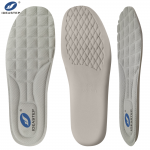
In sports footwear development, performance is no longer defined only by the shoe itself. Insoles have quietly become one of the most important components influencing comfort, stability, and injury prevention.
Among different solutions, 3D printed custom orthotic insoles stand out because they are built directly from an athlete’s foot data rather than standard sizing assumptions.
This shift—from generic designs to data-driven customization—is what makes 3D printing increasingly relevant in both professional sports and performance footwear development.
What Are Custom Orthotic Insoles for Athletes?
Custom orthotic insoles are designed to support foot alignment and improve load distribution during movement. For athletes, the focus is not just comfort, but how the foot interacts with the ground during repeated high-impact activity.
In practice, they are used to help manage pronation, stabilize the arch, and reduce excessive stress on joints during running, jumping, or directional changes.
Different sports place different demands on the foot, so the design is rarely one-size-fits-all.
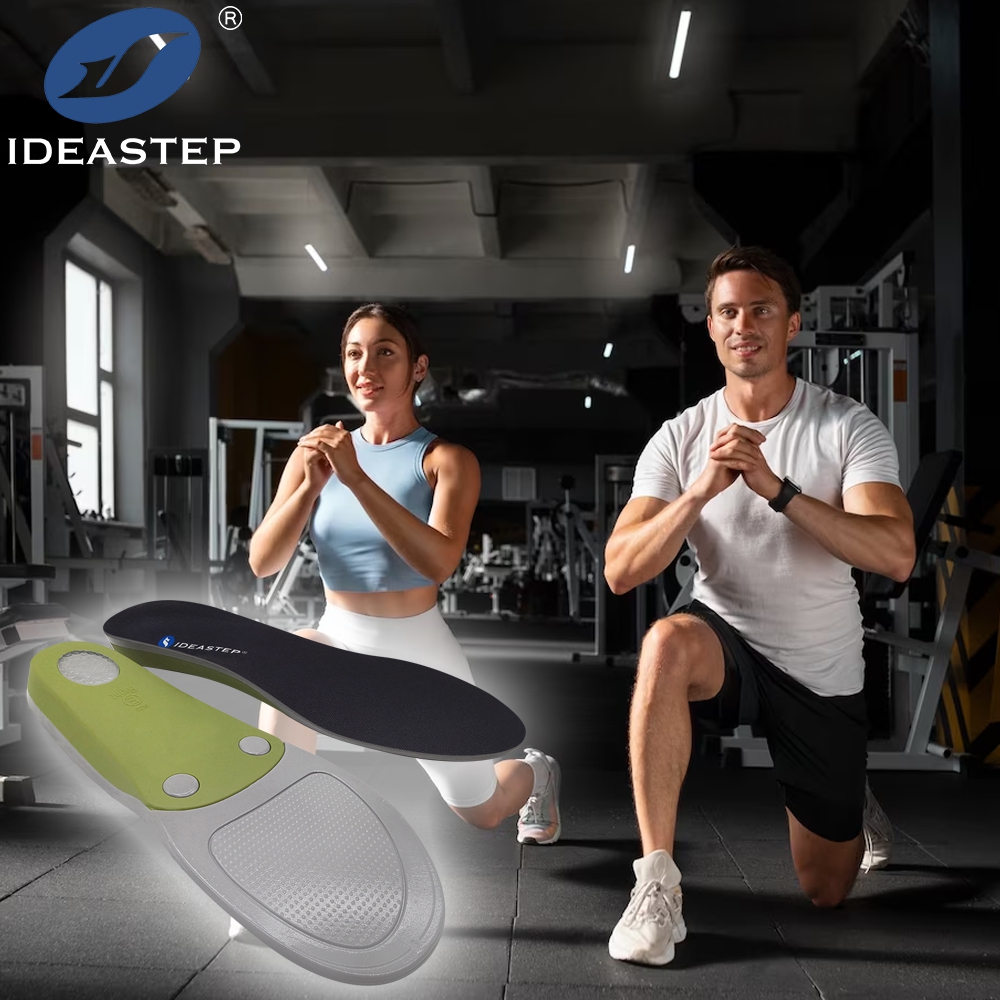
Why Use 3D Printing for Orthotic Insoles?
Traditional orthotic production has relied heavily on manual shaping and semi-custom molds. While effective, those methods have limits when it comes to precision and repeatability.
3D printing introduces a more controlled workflow, where design decisions are based on digital foot scans and pressure data rather than physical impressions alone.
Precision Based on Foot Scan Data
The process usually starts with a 3D scan of the foot. This captures arch height, width, asymmetry, and pressure distribution patterns.
Instead of interpreting a plaster mold or foam impression, designers work directly with digital geometry, which reduces distortion and improves consistency.
More Control Over Biomechanics
One of the main advantages of digital design is the ability to fine-tune how support is applied across different zones of the foot.
This includes adjusting arch behavior, heel stability, and forefoot flexibility depending on the athlete’s movement pattern.
Lightweight Structures That Don’t Compromise Support
3D printing also makes it easier to use internal lattice structures. These patterns reduce material usage while maintaining targeted support where it’s needed most.
In real-world use, this often results in a lighter insole that still feels stable during movement.
Faster Development and Testing Cycles
Compared to traditional tooling-based production, 3D printing significantly shortens the time between design changes and physical samples.
This is especially useful for sports brands or clinics that need to test multiple versions before finalizing a design.
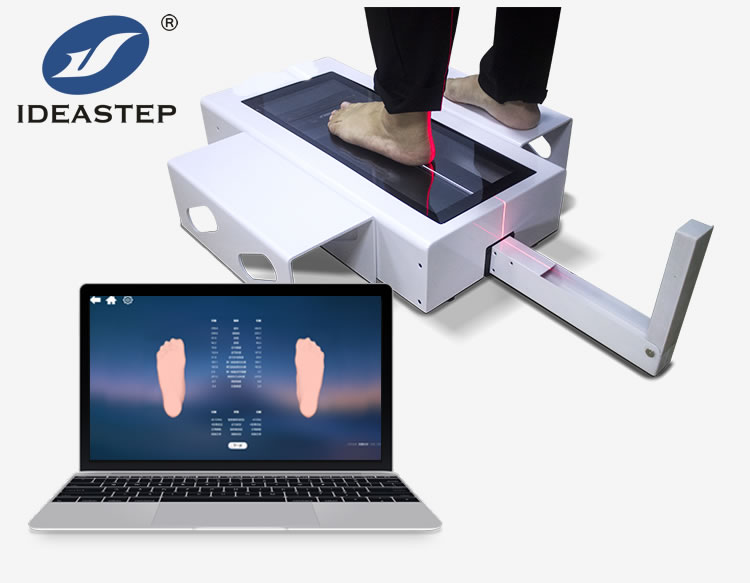
Step 1: Foot Scanning and Gait Analysis
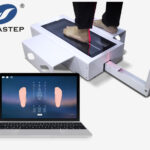
The workflow begins with data collection. A 3D foot scanner captures the geometry of the foot, while gait analysis systems record how pressure shifts during movement.
In most cases, the focus is on a few key data points:
- Arch structure and height
- Heel strike pattern during movement
- Pressure concentration zones under load
- Left-right balance during gait
This data is more important than the design itself—it defines what the insole needs to correct or support.
Step 2: CAD Design of Orthotic Insole
Once the data is processed, the design moves into CAD software such as Rhino or SolidWorks.
At this stage, engineers translate biomechanical requirements into physical structure: arch support height, heel cup depth, and forefoot flexibility zones.
For athletes, adjustments are often sport-specific. A runner, for example, usually needs smoother heel-to-toe transition, while court sports require more lateral stability.
Step 3: Material Selection for 3D Printed Insoles
Material choice directly affects how the insole behaves under load.
- TPU: Common in sports applications due to its balance of flexibility and durability
- EVA blends: Used where softer cushioning is required
- Hybrid or multi-density structures: Allow different zones to behave differently under pressure
In many modern designs, material alone is not the key factor—structural design (such as density variation or lattice architecture) plays an equally important role.
Step 4: 3D Printing Process
After the model is finalized, it is sent to a 3D printer using technologies such as SLS, MJF, or FDM.
The part is built layer by layer, which allows complex internal geometries that would be difficult to achieve with traditional molding.
Lattice structures are often used in performance insoles because they provide controlled flexibility without adding unnecessary weight.
Step 5: Post-Processing and Finishing
After printing, the insole is cleaned, trimmed, and inspected for structural consistency.
In most cases, a top cover layer is added to improve comfort and reduce friction during long-term wear.
This step is often underestimated, but it has a noticeable impact on how the insole feels in real use.
How 3D Printed Orthotic Insoles Benefit Athletes
Improved Shock Absorption
Customized structures help distribute impact forces more evenly, especially during running and jumping.
Better Stability During Movement
By aligning foot mechanics more precisely, athletes often experience smoother transitions and improved balance.
Reduced Risk of Overuse Injuries
Better load distribution can help reduce repetitive stress on areas like the heel, arch, and forefoot.
Sport-Specific Design Optimization
Different sports require different support strategies. The same athlete may need different insole configurations depending on activity type.
3D Printed Orthotic Insoles vs Traditional Insoles
| Feature | 3D Printed Insoles | Traditional Insoles |
|---|---|---|
| Customization | Fully based on individual scan data | Limited or semi-custom |
| Precision | High biomechanical accuracy | Standardized shaping |
| Weight | Can be optimized with lattice design | Usually uniform density |
| Production Speed | Fast iteration and prototyping | Slower tooling process |
| Performance Tuning | Zone-specific optimization | General cushioning only |
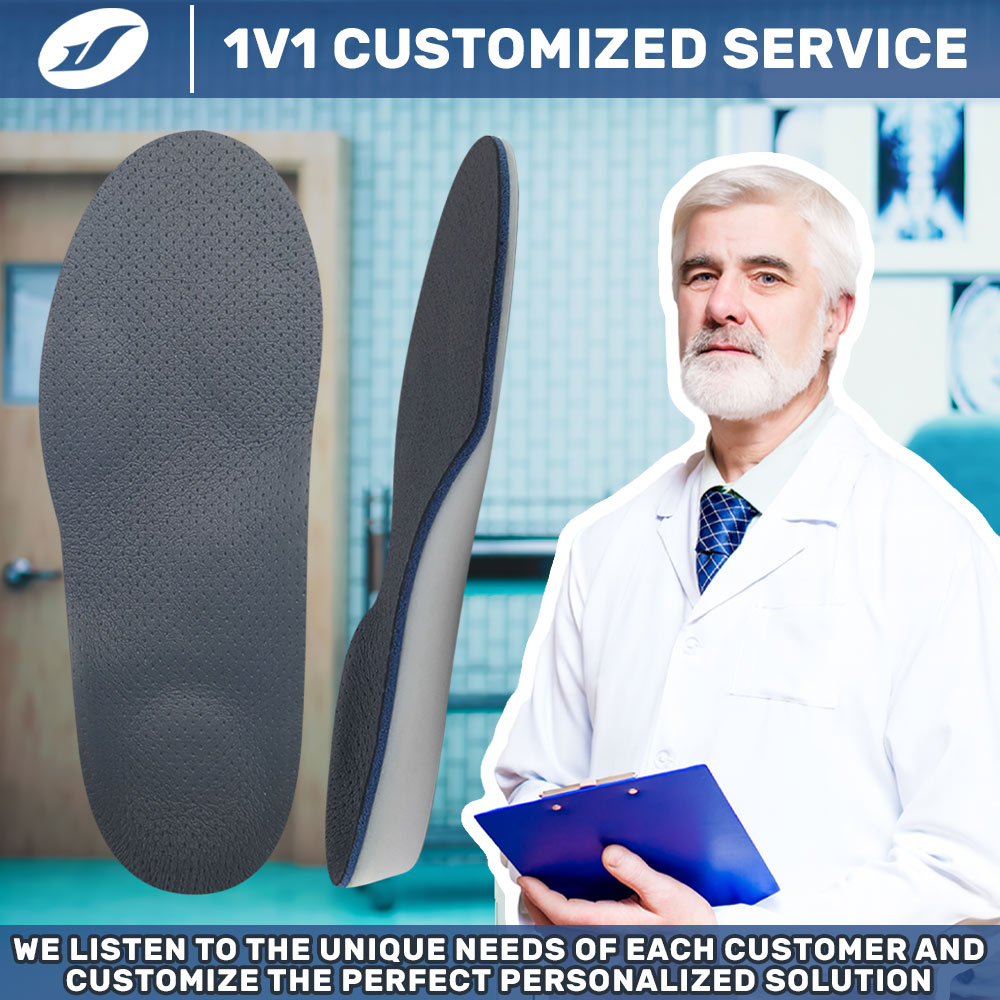
OEM and Custom Manufacturing Solutions
As demand for personalized sports equipment continues to grow, more brands and suppliers are exploring 3D printed orthotic insoles as part of their product development strategy.
This approach allows adjustment of structure, material, branding, and performance characteristics based on different market requirements.
For manufacturers, the main advantage is not just customization—it is scalability without traditional mold limitations.
Conclusion
3D printing is gradually changing how orthotic insoles are developed for athletes. Instead of relying on standardized shapes, the process is now increasingly driven by real biomechanical data.
Traditional insoles still dominate mass markets, but 3D printed solutions are becoming more relevant in performance-driven and professional sports applications.
As scanning, materials, and printing technologies continue to improve, footwear development is moving closer to a fully personalized approach to foot support.
Related product links: https://www.aideastep.com/product/3d-1-3d-printed-custom-orthotic-insole-lightweight-durable-comfortable/.