As footwear brands focus more on comfort, performance, and product differentiation, insole materials have become an important part of footwear development. The right insole structure can influence cushioning, support, durability, and overall shoe performance.
EVA memory foam insoles combine the lightweight cushioning properties of EVA foam with the adaptive comfort of memory foam. Due to their versatility, they are widely used in sports footwear, casual shoes, work footwear, and comfort-oriented shoe applications.
For footwear brands, wholesalers, and distributors, customized EVA memory foam insoles provide flexible solutions in material selection, structural design, branding, and bulk production.
What Are EVA Memory Foam Insoles?
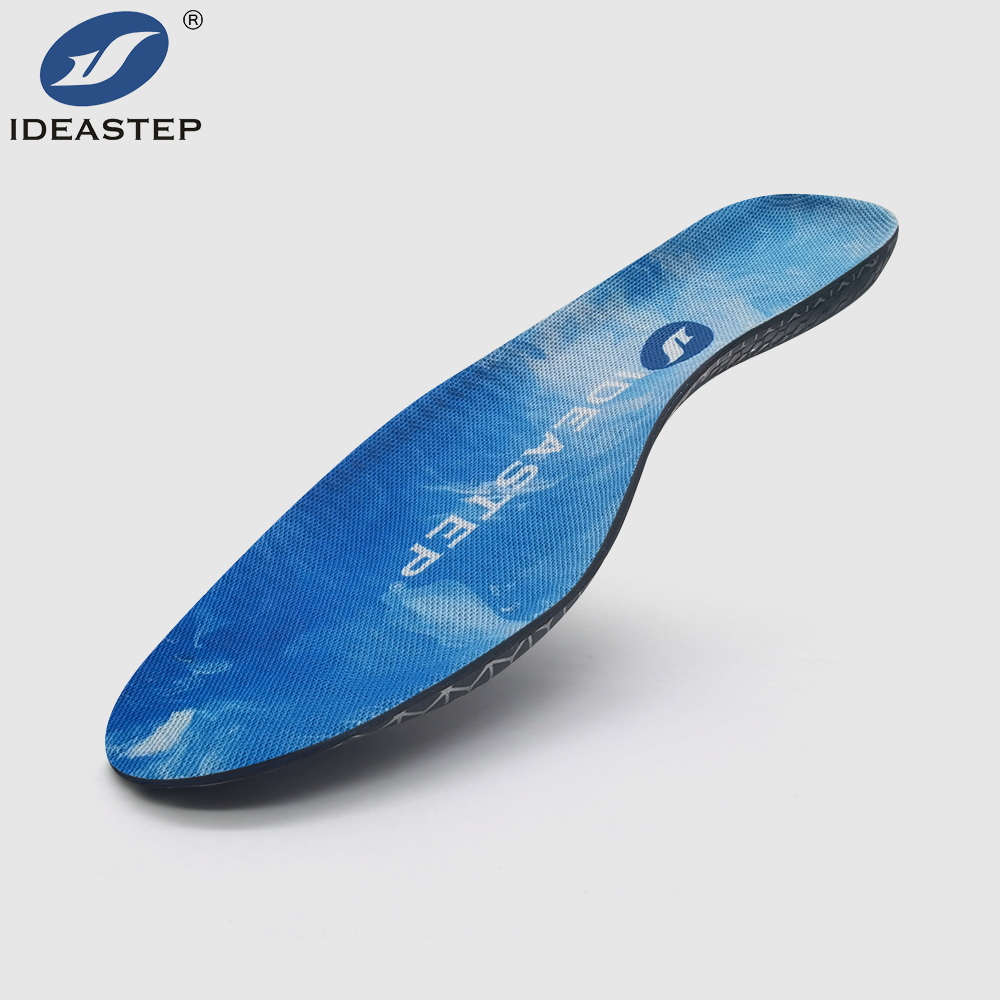
EVA memory foam insoles are footwear inserts made with EVA foam and memory foam layers to achieve a balance between cushioning, support, and flexibility.
EVA (Ethylene Vinyl Acetate) is one of the most commonly used materials in footwear manufacturing because of its lightweight structure, elasticity, shock absorption, and processing advantages. Memory foam adds a softer cushioning layer that adapts to pressure distribution.
Depending on footwear requirements, EVA memory foam insoles can be designed with different layer combinations, including:
- EVA cushioning layer
- Memory foam comfort layer
- Moisture-wicking fabric top cover
- Anti-slip bottom layer
- TPU support components
This flexible structure allows manufacturers to develop different insole solutions for various footwear categories.
Key Benefits of EVA Memory Foam Insoles
Lightweight Cushioning and Shock Absorption
EVA foam provides lightweight cushioning and impact absorption, making it suitable for footwear that requires comfort without adding excessive weight.
For footwear manufacturers, EVA memory foam insoles offer a practical balance between cushioning performance, material flexibility, and production efficiency.
Pressure Relief and Enhanced Comfort
The adaptive properties of memory foam help distribute pressure more evenly across the foot area. Combined with EVA foam, the insole structure can provide a softer feel while maintaining necessary support.
These characteristics make EVA memory foam insoles suitable for:
- Walking shoes
- Lifestyle footwear
- Work shoes
- Comfort-focused footwear
Flexible Material and Structure Customization
One major advantage of EVA-based insoles is the ability to customize material properties according to different product requirements.
Manufacturers can adjust:
- EVA hardness and density
- Memory foam thickness
- Insole contour
- Arch support structure
- Surface materials
For example, sports footwear may require lightweight cushioning, while work footwear may require stronger support and durability.
Applications of EVA Memory Foam Insoles
Sports Footwear
Sports footwear requires insoles that balance cushioning, flexibility, and weight control.
EVA memory foam insoles can be used in running shoes, training shoes, and athletic footwear to provide additional cushioning and support.
Casual Footwear
For sneakers and lifestyle footwear, comfort is an important product feature.
Customized EVA memory foam insoles help footwear brands develop products with improved cushioning performance and differentiated market positioning.
Work and Safety Shoes
Work footwear often requires durable cushioning solutions for long-term use.
By adjusting EVA density, support structures, and material combinations, manufacturers can create insoles suitable for safety shoes and industrial footwear applications.
Comfort and Orthotic Footwear
With additional support components such as arch support structures, heel cups, or TPU stabilizers, EVA memory foam insoles can also be developed for comfort and orthotic footwear solutions.
Manufacturing Process of EVA Memory Foam Insoles
A reliable EVA foam insole manufacturer should provide consistent quality control throughout the production process.
Material Selection
EVA hardness, density, and memory foam specifications are selected based on footwear requirements. Different material combinations allow manufacturers to achieve specific cushioning, support, and durability goals.
Layer Bonding and Assembly
For multi-layer insoles, EVA foam, memory foam, fabric covers, and support components are combined through professional bonding processes to ensure stable performance.
Cutting and Shaping
Insoles can be customized through cutting, molding, and shaping processes according to shoe designs and customer requirements.
Customization options include:
- Different shoe sizes
- Customized thickness
- Specific footbed shapes
- Support structures
Quality Inspection
Professional manufacturers should inspect finished products for:
- Appearance quality
- Thickness consistency
- Bonding strength
- Material performance
- Dimensional accuracy
Strict quality control helps ensure stable quality for wholesale and private-label projects.
Custom OEM EVA Memory Foam Insoles for Footwear Brands
For footwear companies, standard stock insoles may not always meet specific product positioning. Working with an experienced custom insoles supplier allows brands to create unique footwear solutions.
OEM and ODM customization options may include:
| Customization Area | Options |
|---|---|
| Material Structure | EVA, memory foam, PU, TPU, fabric layers |
| Insole Design | Flat design, arch support, heel support, ergonomic contour |
| Surface Materials | Mesh fabric, velvet, moisture-wicking fabric |
| Branding | Logo printing, private labeling |
| Packaging | Customized retail or bulk packaging |
From prototype development to mass production, a professional OEM partner can support footwear brands with flexible manufacturing solutions.
How to Choose an EVA Memory Foam Insoles Manufacturer?
Selecting the right supplier is important for maintaining product quality and long-term cooperation.
When evaluating an OEM insole manufacturer, consider the following factors:
Manufacturing Experience
A supplier with experience in footwear materials can better understand different application requirements and provide suitable product recommendations.
Material and Quality Control
Reliable manufacturers should have quality control processes covering raw materials, production procedures, and finished products.
Important factors include:
- Material consistency
- Compression performance
- Rebound properties
- Product durability
OEM Development Capability
A capable supplier should support the complete development process, including product consultation, sampling, customization, and bulk production.
Partner with an Experienced EVA Insole Manufacturer
High-quality insole solutions help footwear brands improve product performance and create stronger market differentiation.
Ideastep provides customized EVA memory foam insoles solutions for footwear brands, wholesalers, and distributors. From material selection and structural design to prototype development and bulk production, we support OEM and ODM projects with reliable manufacturing capabilities.
For OEM/ODM cooperation, customization options, or bulk orders, please contact us directly. Our team is ready to provide professional solutions for your business.
Related Reading:
Best Memory Foam Insoles for Flat Feet
Best Memory Foam Insoles for Work Boots
Best Memory Foam Insoles for Walking