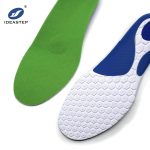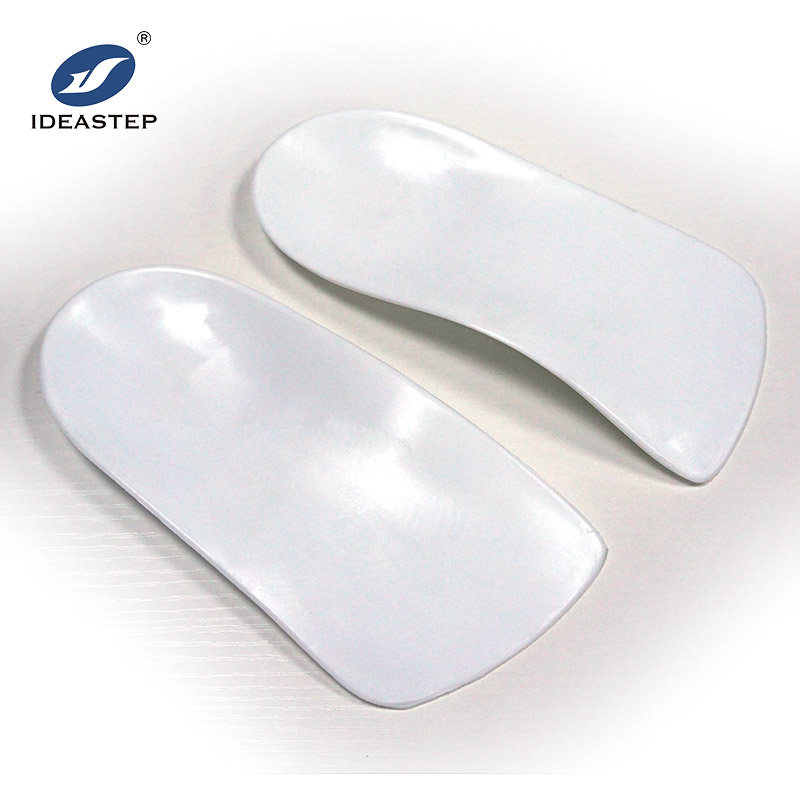
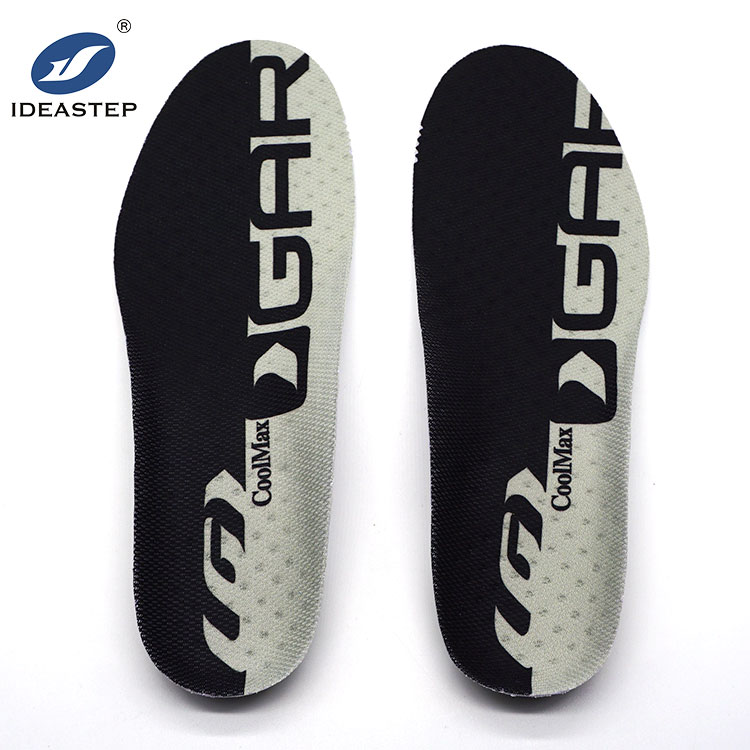
Cycling insoles require precise forefoot construction to match the relatively rigid soles and close-fitting structure of cycling shoes. In particular, the metatarsal region needs careful attention to support geometry, cushioning thickness, and internal shoe volume.
A metatarsal button is a raised feature positioned behind the metatarsal heads. Its dimensions and placement influence the forefoot contact profile and the way the insole integrates with surrounding materials.
For cycling footwear brands and insole manufacturers, product development involves controlling button position, height, contour, material stiffness, and compatibility with the target shoe.
 2021/07/1-1.jpg
1. Metatarsal Button Design in Cycling Insoles
A metatarsal button is a localized raised structure integrated into the forefoot section of an insole. It is positioned proximal to the metatarsal heads rather than directly beneath them.
Depending on the construction, the feature can be molded into the base or added as a separate component.
Common manufacturing options include:
- Molded EVA foam structures
- PU foam cushioning platforms
- Multilayer orthotic insole constructions
- Integrated thermoplastic support components
The design should define the button’s position, dimensions, and transition into the surrounding forefoot platform. These parameters need to remain consistent across the product’s size range.
2. Forefoot Structure and Cycling Footwear Requirements
Cycling shoes differ from general athletic footwear in outsole stiffness, internal volume, and cleat configuration. These characteristics influence insole thickness, forefoot geometry, and material selection.
The main design considerations include:
- Contact distribution: Control the shape and position of the metatarsal feature.
- Structural stability: Maintain the intended forefoot profile under repeated loading.
- Thickness: Avoid unnecessary bulk within close-fitting cycling shoes.
- Cushioning: Balance material compliance with the required structural characteristics.
- Cleat compatibility: Account for the shoe’s outsole geometry and cleat position.
The metatarsal button should be developed as part of the complete forefoot structure. Increasing its height without considering surrounding materials and footwear dimensions can create an unsuitable thickness transition.
3. Metatarsal Button Position and Geometry
Button geometry directly affects the finished insole profile. Position, height, width, and contour should be defined in the product specification rather than adjusted informally during production.
Position and Alignment
The button should be positioned behind the metatarsal heads. Its location should be established according to the intended product geometry and verified against the target foot profile.
Key specifications include:
- Longitudinal position
- Medial-lateral placement
- Button width and length
- Distance from adjacent support features
- Alignment across different sizes
Size grading requires particular attention. Scaling the button proportionally with overall insole length may not maintain the intended anatomical position across all sizes.
Height and Contour
Button height determines the prominence of the raised feature. A gradual contour helps integrate it with the surrounding forefoot surface, while excessive height or abrupt edges can create concentrated contact areas.
Manufacturers should control:
- Raised height
- Surface curvature
- Edge transition
- Width relative to the forefoot platform
- Dimensional consistency between batches
The final geometry should be assessed together with the cushioning layer and available shoe volume.
4. Material Selection for Metatarsal Button Cycling Insoles
Material properties influence button shape retention, compression behavior, and integration with the forefoot platform.
EVA Foam
EVA foam is widely used in cycling insoles for base layers, cushioning, and molded support features.
Different grades provide varying density and hardness characteristics. Selection should consider compression behavior, resilience, dimensional stability, and moldability.
Density and hardness should be specified separately, as they describe different material properties.
PU Foam
PU foam can be used in forefoot cushioning layers and multilayer constructions. Its physical characteristics depend on the formulation.
Material evaluation should focus on compression behavior, thickness stability, and bonding compatibility with surrounding components.
TPU and Thermoplastic Components
TPU and other thermoplastic materials can provide more defined support structures within an insole.
Depending on the design, they may be integrated into the arch or forefoot platform and combined with EVA or PU cushioning.
Component stiffness, thickness, and geometry should be matched to the intended cycling shoe. Excessive rigidity or bulk can compromise the overall construction.
Top-Cover Materials
Mesh, microfiber, and technical fabrics are common options for cycling insole surfaces.
Selection should account for abrasion resistance, moisture management, surface characteristics, and adhesive compatibility.
Air permeability, moisture absorption, and drying rate are separate properties. The finished insole laminate should be evaluated rather than relying solely on the specifications of the top-cover fabric.
5. Insole Construction and Cleat Compatibility
Cycling insole construction must account for the limited internal volume of many cycling shoes and the position of the cleat system.
A typical multilayer structure may combine:
- Mesh or microfiber top cover
- EVA or PU cushioning layer
- Integrated or separately molded metatarsal button
- Structured base layer, where required
The layer arrangement should reflect the target shoe and product specifications. Additional layers should only be included when they serve a defined structural purpose.
Cleat Position and Forefoot Design
Cleat configurations vary across cycling footwear models. The insole should be developed around the intended shoe geometry, including outsole shape and internal dimensions.
The metatarsal button must remain compatible with the shoe’s forefoot structure and should not introduce excessive thickness around the cleat-related contact area.
Thickness and Internal Volume
Cycling shoes often have limited space between the foot and upper. Additional foam thickness or a raised forefoot feature can change the available volume.
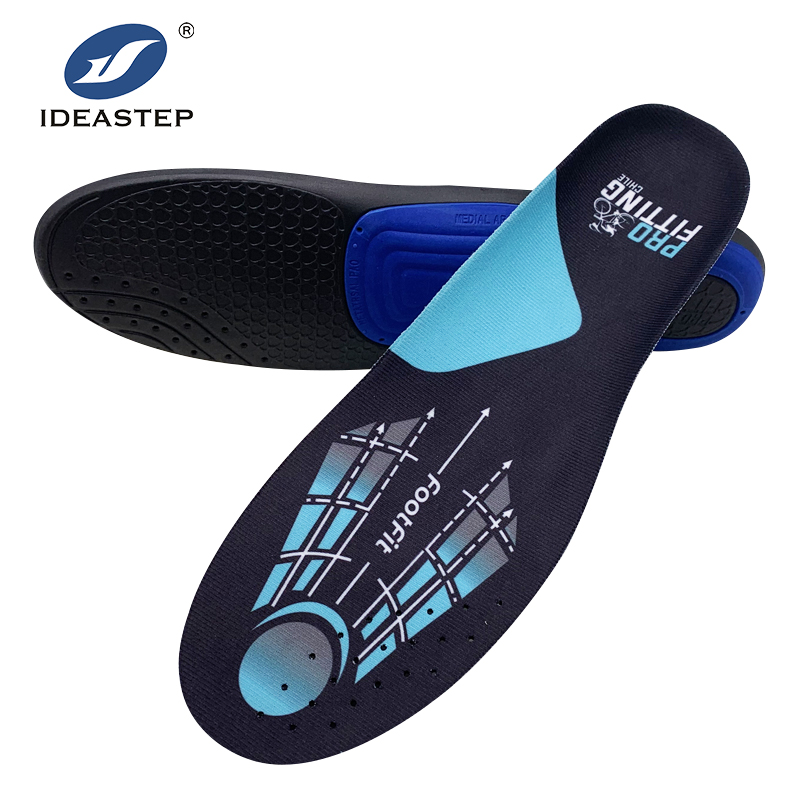
Manufacturers should verify total insole thickness, forefoot clearance, and compatibility with the original sockliner. Physical fitting in representative shoe models is preferable to dimensional assessment alone.
6. Manufacturing Methods and Quality Control
Metatarsal button cycling insoles can be manufactured through molded foam construction, layered assembly, or a combination of both.
The appropriate process depends on button geometry, material selection, production volume, and dimensional requirements.
| Inspection Area | Key Checks |
|---|---|
| Button geometry | Position, height, width, and contour |
| Material properties | Density, hardness, and thickness |
| Forefoot structure | Surface transitions and dimensional consistency |
| Bonding | Adhesion between support and cushioning layers |
| Top cover | Wrinkles, surface defects, and edge finishing |
| Overall dimensions | Length, width, and thickness tolerances |
| Finished product | Shape retention and batch consistency |
For molded products, tooling accuracy and material consistency are essential. For multilayer constructions, bonding strength and compatibility between materials require additional attention.
Inspection should cover the complete insole assembly. Individual layers may meet their specifications while the finished product still shows uneven thickness, poor bonding, or inconsistent button geometry.
7. OEM and ODM Development for Cycling Brands
Cycling footwear brands and insole distributors may require different metatarsal button configurations across their product ranges.
Before sampling, the main technical specifications should be confirmed:
- Target cycling shoe models or footwear category
- Metatarsal button position and geometry
- EVA, PU, or thermoplastic material specifications
- Forefoot and overall insole thickness
- Top-cover material
- Size range and grading requirements
- Cleat compatibility
- Packaging and inspection standards
Sample evaluation should focus on button placement, surface transitions, material behavior, and shoe fit.
Once approved, the sample and documented specifications should serve as production references. Changes to button geometry, materials, or layer construction should be reviewed before implementation.
Conclusion
Metatarsal button cycling insoles require accurate forefoot geometry and careful integration with the overall insole structure. Button position, height, material stiffness, cushioning thickness, and cleat compatibility all affect the finished construction.
For cycling footwear manufacturers and brands, development should focus on the complete assembly rather than the raised feature alone. Consistent dimensions, material control, and footwear compatibility provide the basis for reliable OEM and ODM production.
Related Insole Products: https://www.aideastep.com/product/cycling-sporting-insole-with-adjustable-inner-arch-pads-for-outdoor-insole/.