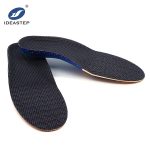
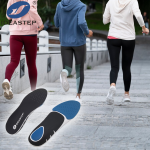
Many podiatry clinics, physical therapy teams and medical distributors run into limits with single-material orthotics. Foam-only insoles gradually compress under repeated daily load, while fully rigid plastic shells often feel stiff and create new pressure points. Composite orthopaedic insoles address this common tradeoff with a layered hybrid build, balancing reliable structural control and wearable comfort. This writeup is made for medical foot care partners sourcing orthotics for prescription and resale.
What Sets Composite Orthopaedic Insoles Apart As a Hybrid Solution
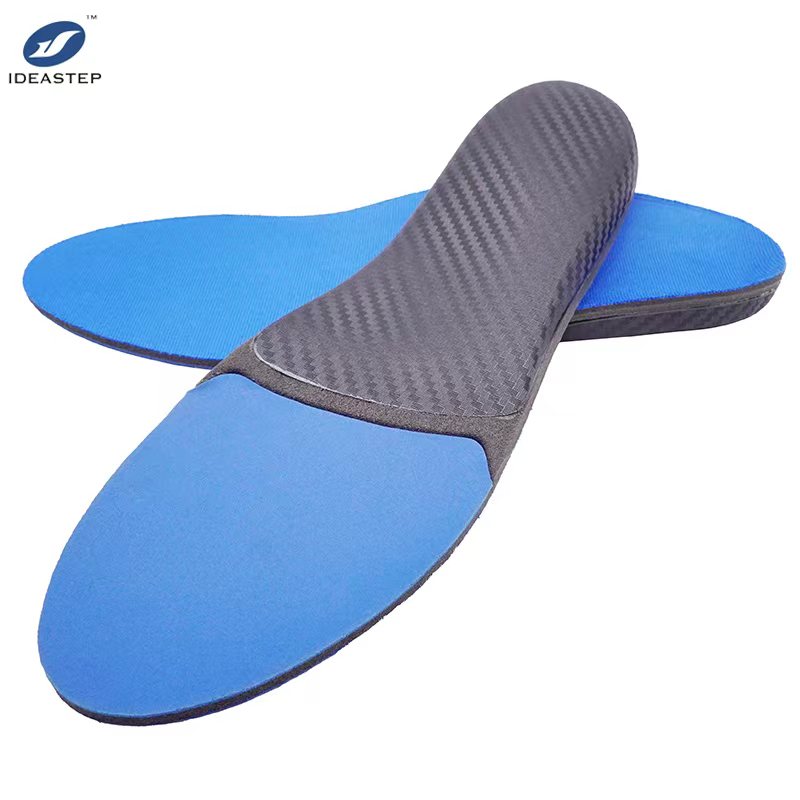
Composite orthopaedic insoles pair a stiff reinforcing core with softer cushioning layers, separating the work of stability and shock absorption. A typical construction uses carbon fiber or polypropylene shell combined with multi-density EVA, PU foam or breathable top fabric. The rigid core maintains arch and midfoot alignment, while foam layers soften contact and spread peak pressure away from sensitive foot structures.
This split-function design removes the need for one material to do everything. It avoids the gradual loss of support seen in basic foam orthotics after weeks of regular wear. It also addresses the comfort drawbacks of all-rigid shells, which many patients stop wearing due to persistent discomfort.
This practical difference matters clinically. Patients are more likely to keep using an orthotic that controls foot motion without constant irritation. Better adherence translates to more consistent outcomes and fewer follow-up adjustments for your clinic or distribution network.
Clinical Applications for Composite Orthopaedic Insoles
Composite construction suits a range of foot conditions managed within foot care settings. It works well for cases requiring steady arch support alongside pressure redistribution.
For plantar fasciitis, the controlled midfoot stabilisation reduces repeated stretching of the plantar fascia. In metatarsalgia management, the composite base holds metatarsal pads in place without flattening under weight. For mild to moderate overpronation, the shell preserves corrective geometry through repeated gait cycles. It is also suitable for midfoot arthritis, hallux rigidus and post-injury rehabilitation where excessive joint movement needs limiting.
These insoles are not produced to one universal stiffness. We adjust rigidity, cushion thickness and heel cup depth based on patient weight, activity level and the type of footwear they use. Lower-profile composite versions fit inside dress shoes and athletic trainers, while thicker options work with safety footwear and orthopedic recovery shoes.
Durability Benefits That Reduce Repeat Clinic Orders
Durability is a key practical advantage for foot care partners. Single-density foam orthotics frequently lose meaningful support within a few months. Well-constructed composite orthopaedic insoles retain their biomechanical shape far longer, even with all-day daily use.
The reinforced core resists creep, the slow permanent deformation that undermines many foam orthotics. The foam top layers still wear naturally over time, but the supportive underlying geometry stays intact. This means fewer early replacements, less follow-up troubleshooting, and stronger trust between providers and patients.
Consistent long-term performance also benefits distributors. Stocked composite orthotics hold predictable performance from the first pair to the last in a batch. You avoid inconsistent quality that leads to uneven feedback across your provider network.
Material Selection and Customisation Options for Medical Partners
Material pairing is where composite orthotics gain clinical flexibility. Carbon fiber composite delivers high stiffness in a thin profile, suited for patients needing firm control inside narrow footwear. Polypropylene composite offers reliable rigidity at a more accessible price point for routine prescription volumes.
Cushion layers can be adjusted to match your clinic’s standard protocols. High-rebound PU works well for active patients. Closed-cell EVA offers moisture resistance and simple cleaning. Microfiber or antimicrobial top covers are commonly selected for diabetic foot care, where skin integrity and consistent hygiene are priorities.
We offer OEM and ODM customisation for medical foot care partners. You may specify arch height, heel cup depth, metatarsal cutouts, marking and packaging. Custom cutting services and 3D scan-based builds are available for clinics running patient-specific orthotic programs. Low minimum order quantities let smaller practices test composite lines without committing to large stock.
Compliance and Quality Controls for Medical Resale
As a medical foot care partner, you hold responsibility for product claims and patient safety. Composite orthopaedic insoles marketed for therapeutic support must align with applicable medical device rules in your target market.
Our composite orthotic lines hold ISO and CE certification where relevant. All raw materials come with traceable documentation covering REACH and heavy metal requirements. Each batch goes through bond testing, stiffness checks and visual inspection to catch delamination, sharp edges or misaligned layers before shipment.
We share full compliance documentation packs with clinic and distributor partners. These files support internal audits and can be provided to referring practitioners. This removes uncertainty when sourcing composite orthotics from suppliers unable to back up medical-grade specifications.
Integrating Composite Orthotics Into Existing Foot Care Workflows
Composite orthopaedic insoles fit into established clinic workflows without major disruption. They work alongside foot scanners, gait assessment tools and traditional casting methods. Pre-fabricated composite templates support fast-turnaround cases, while custom composite builds address complex deformities or post-surgical patients.
For distributors, composite lines add a premium tier to your orthotic catalog. They help you stand apart from commodity foam inserts and serve clinics focused on long-term support and patient adherence. You can pair composite orthopaedic insoles with foot care accessories, orthopedic footwear or patient education materials to build practical bundles for your provider clients.
If you are expanding your product range, sample evaluation is straightforward. We provide clinical test pairs so your podiatry team can assess fit, stiffness and patient feedback before moving to larger orders.
Closing Notes for Medical Foot Care Partners
Composite orthopaedic insoles fill a distinct niche in medical foot care. Their hybrid design delivers stable biomechanical control and extended durability, while keeping wear comfortable enough for consistent patient use. They reduce early replacement cycles and support more reliable clinical results for your practice or distribution network.
If you are a podiatry clinic, rehabilitation provider or medical distributor looking to source dependable composite orthopaedic insoles, reach out to discuss your patient profiles, sizing ranges and branding needs. We can match composite material stacks, supply pre-production samples and support steady wholesale supply for your foot care program.
Related Solutions:
Composite Orthopaedic Insoles: A Complete Guide for Footwear Manufacturers
Composite vs EVA Orthotic Insoles: How Footwear Manufacturers Should Choose