Introduction: Why Foot Health Matters?
With our increasingly busy lifestyles and longer hours of sitting, many people are experiencing foot problems, such as flat feet, bunions, or high arches. These issues not only affect walking and posture but can also lead to discomfort in the knees, hips, or lower back.
Orthotic insoles serve as a non-surgical solution, supporting the arches, redistributing pressure, and improving gait. According to the American Podiatric Medical Association, properly fitted insoles can effectively improve walking posture and overall comfort.
The Relationship Between Foot Alignment and Posture
The feet are the body’s “support center,” bearing the full weight of the body and maintaining balance. The structure of the arches and the angle of the heels directly affect the alignment of the knees, hips, and spine. For example:
- Flat feet: The feet may roll inward, causing slight knee rotation and potential discomfort in the knees or lower back over time.
- High arches: Uneven pressure on the soles can lead to instability and foot fatigue while walking.
Gait analysis and foot biomechanics assessments are commonly used to diagnose posture-related issues. Healthy feet are the foundation for good posture and long-term musculoskeletal health.
Types and Benefits of Orthotic Insoles
Orthotic insoles generally fall into two categories:
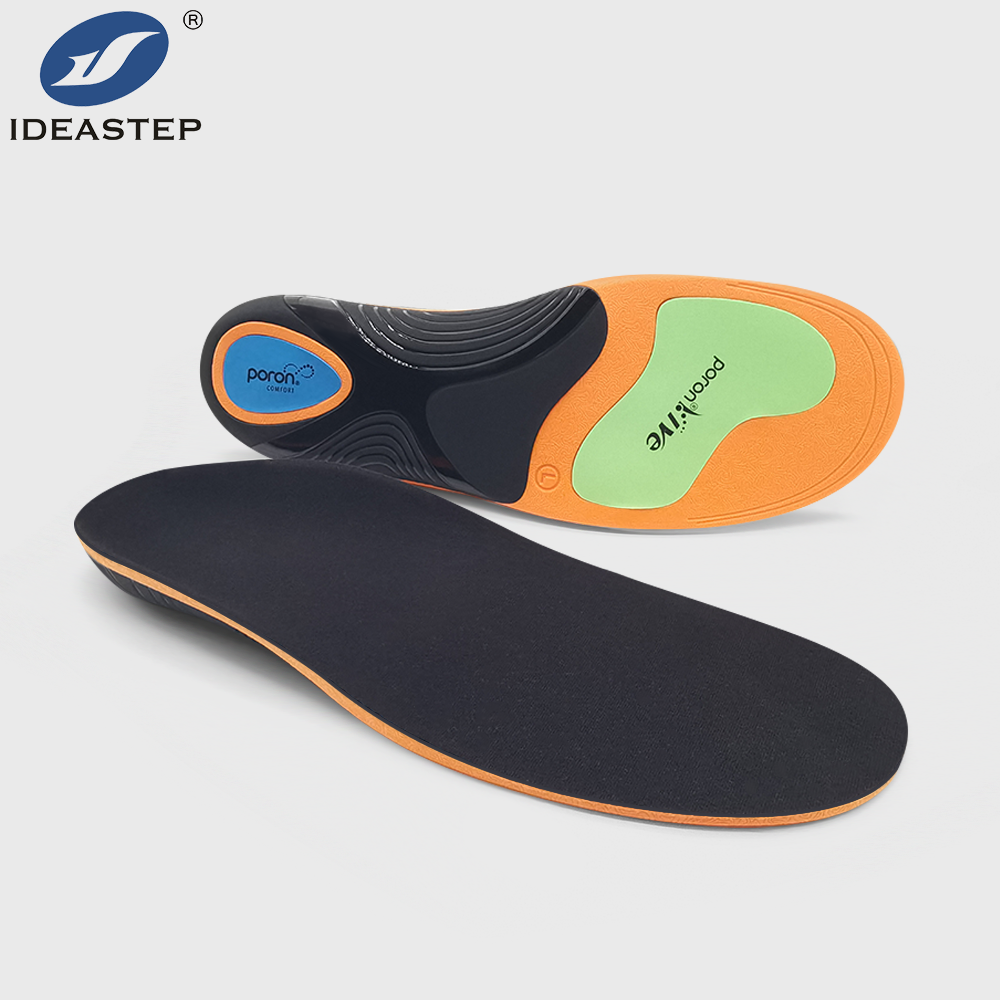
- Custom insoles: Made based on a 3D scan or plaster mold of your feet, these provide precise arch support and are ideal for severe foot issues.
- Off-the-shelf insoles: Designed with varying firmness and arch height, these provide general support for mild discomfort or daily prevention.
The main benefits of orthotic insoles include:
- Arch support: Prevents collapse and corrects inward or outward rolling of the feet.
- Pressure distribution: Reduces stress on the heels, forefoot, and joints.
- Gait improvement: Redistributes weight for more stable walking.
- Muscle adaptation: Long-term use can help muscles and ligaments adjust to proper foot alignment.
Podiatrists and physical therapists often recommend combining insoles with foot exercises and gait training for the best results.
How Orthotic Insoles Affect Posture
Studies have shown that using orthotic insoles consistently can improve posture. For example:
- Patients with flat feet who wear custom insoles often see a reduction in knee rotation and improved alignment of the hips and spine.
- Gait stability increases and foot muscle tension decreases.
- Discomfort in the lower back and knees is often reduced.
In summary, orthotic insoles not only correct foot alignment but also improve walking posture and pressure distribution, indirectly enhancing overall posture. They are a safe and effective option for those looking to avoid surgery or relieve chronic foot discomfort.
How to Use Orthotic Insoles Correctly
To get the best results, keep the following in mind:
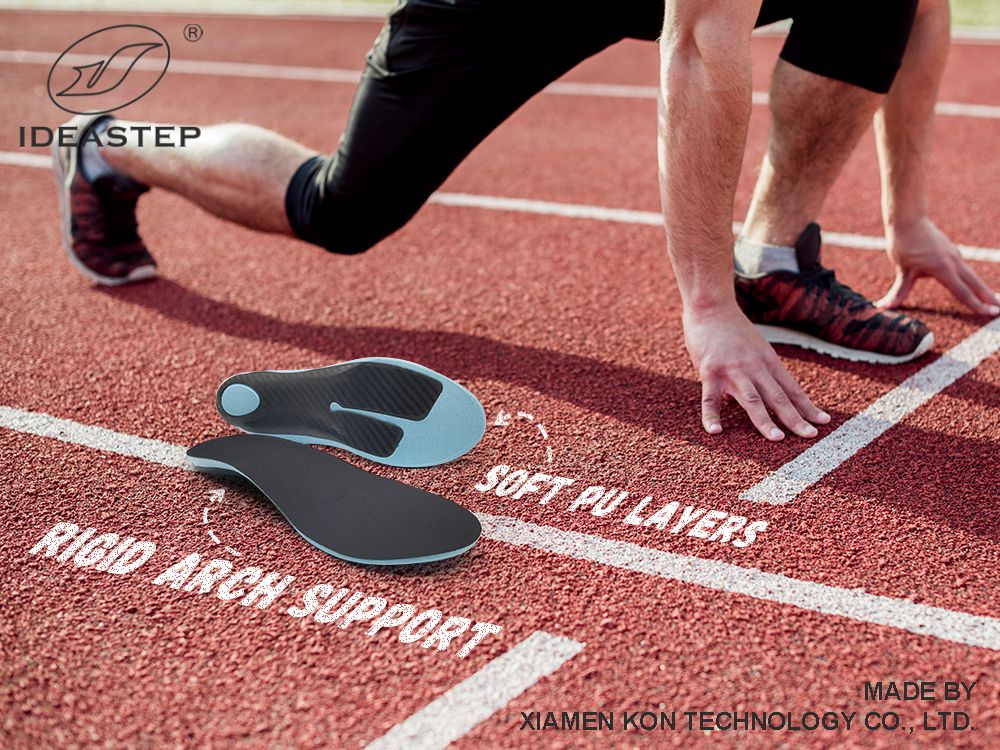
- Choose the right insole: Select custom or off-the-shelf insoles based on your foot type, activity level, and foot condition.
- Start gradually: Begin by wearing insoles 1–2 hours per day, and gradually increase the duration to allow your feet to adjust.
- Check regularly: If you experience persistent pain or your insoles wear out, consult a healthcare professional.
- Combine with exercises: Foot strengthening and gait training enhance the effectiveness of insoles.
FAQ: Common Questions About Orthotic Insoles
Q1: How long does it take to see results?
For mild issues, improvement may be noticed within a few weeks. More severe problems may require several months of consistent use combined with exercises.
Q2: Can off-the-shelf insoles replace custom insoles?
Off-the-shelf insoles are suitable for prevention or mild discomfort, but custom insoles provide more precise support and correction, especially for severe foot problems.
Q3: Can I buy insoles myself?
Yes, but it is recommended to first assess your feet or consult a podiatrist to ensure the insole type and arch height suit your foot structure.
Conclusion: Improve Posture Starting From Your Feet
Maintaining foot health is essential for good posture and preventing chronic discomfort. By selecting the right orthotic insoles and using them correctly, combined with simple foot exercises, you can improve gait, reduce pain, and enhance overall posture. Whether walking, exercising, or standing for long periods, the right insoles can be your reliable partner in foot health.
Learn more about gait analysis on this page:Improving Gait Stability in Flat Feet Patients Using Custom Insoles