In industrial footwear development and OEM work boot projects, one of the most common questions we hear from workers and brand clients is:
Should I put insoles in my work boots?
From a biomechanical and footwear engineering perspective, the answer is in most cases: yes—but only when the insole is properly matched to the working environment, foot structure, and boot design.
Work boots are primarily designed for protection (steel toe, slip resistance, puncture resistance), not long-duration ergonomic comfort. That gap is exactly where a well-designed insole system becomes essential.

1. Why Work Boots Often Fail to Provide Enough Long-Term Support
Even high-quality safety boots usually include a basic factory insole. In industrial manufacturing, these insoles are typically designed for cost efficiency and fit adjustment rather than biomechanical performance.
In real working environments—such as warehouses, construction sites, and manufacturing floors—several limitations become obvious:
- Flat, low-structure footbeds with minimal arch control
- Fast compression under repetitive load
- Limited shock absorption on concrete or steel surfaces
- No adaptation to individual gait patterns
In B2B footwear testing, we often observe that the original insole loses structural support significantly within 3–6 months under heavy-duty use.
2. Biomechanical Reasons Your Feet Feel Fatigued in Work Boots
Foot fatigue is not only about cushioning—it is about how forces are distributed through the kinetic chain.
When standing or walking for long hours, the body experiences repeated heel strike impact and plantar pressure concentration. Without proper support, this can lead to:
- Excessive load on the heel bone (calcaneus)
- Overloading of the forefoot metatarsal region
- Collapse or overextension of the arch structure
- Misalignment of knee and hip joints
Over time, this biomechanical imbalance may contribute to conditions such as plantar fasciitis, knee pain, or lower back discomfort.
3. What Insoles Actually Do Inside Work Boots (Engineering Perspective)
A high-performance work boot insole is not just a soft layer—it is a functional system designed to manage force distribution.
Key engineering functions include:
- Plantar pressure redistribution across heel, arch, and forefoot
- Shock absorption control during heel strike impact
- Arch stabilization to reduce excessive pronation or supination
- Energy return support to reduce muscular fatigue
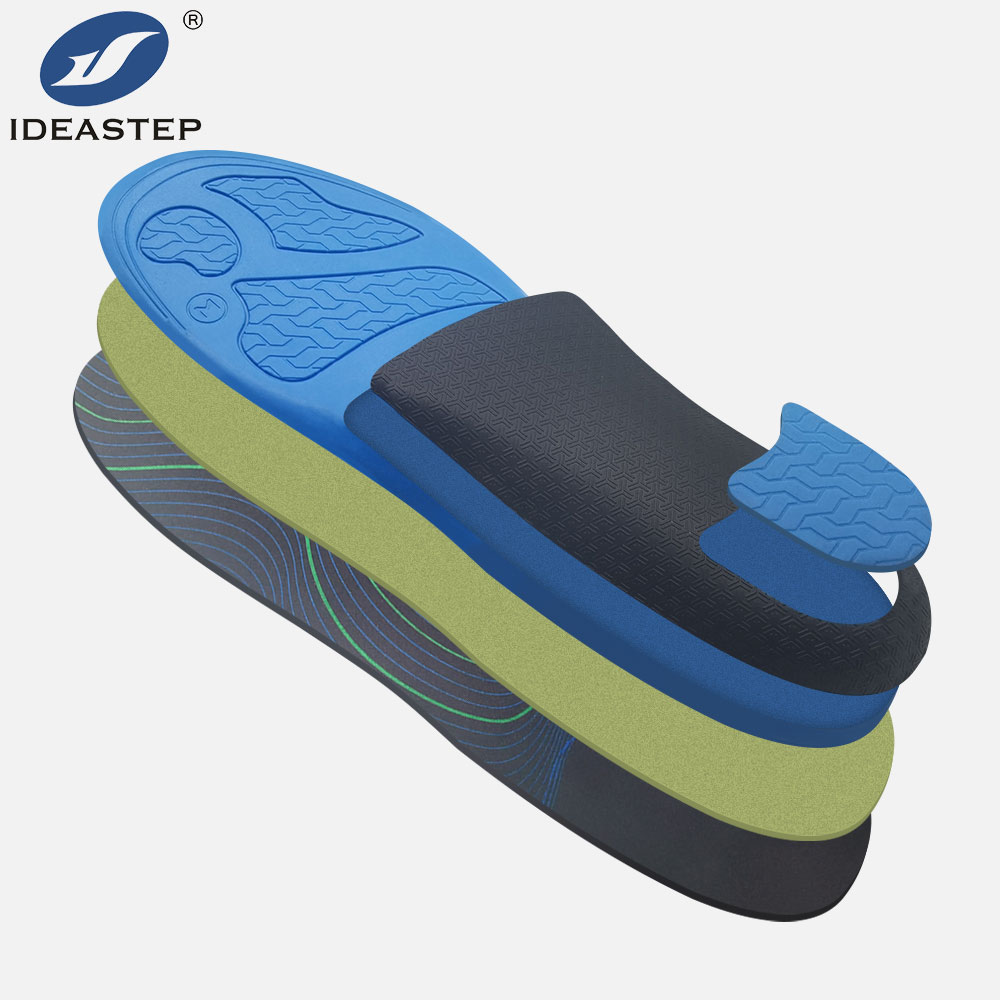
In advanced industrial insole systems, multi-density structures are often used. For example:
- Soft EVA for cushioning zones
- Higher-density PU or TPU for structural support
- Heel cups for stability and impact control
4. Who Actually Needs Insoles in Work Boots?
4.1 Workers Standing on Hard Surfaces All Day
This includes warehouse staff, factory operators, retail workers, and healthcare professionals.
Concrete flooring significantly increases ground reaction force, which accelerates fatigue in the lower limbs.
4.2 Heavy Load and Industrial Workers
Construction workers, logistics handlers, and manufacturing technicians experience additional mechanical stress due to load carrying and repetitive movement.
4.3 People with Foot Structure Issues
- Flat feet (low arch collapse)
- High arches (insufficient shock absorption)
- Overpronation or gait imbalance
- Chronic heel pain or plantar fasciitis
4.4 Heavier Body Weight Users
Higher body mass increases plantar pressure significantly, making cushioning and structural support more important.
5. How to Choose the Right Work Boot Insoles (Industrial Selection Guide)
5.1 Arch Support System
The arch structure determines how weight is distributed across the foot:
- Low arch: requires motion control and medial support
- Neutral arch: balanced cushioning and support
- High arch: requires enhanced shock absorption
5.2 Material Performance in Industrial Use
| Material | Function | Industrial Application |
|---|---|---|
| EVA (multi-density) | Lightweight cushioning + shock absorption | General work boots, warehouse environments |
| PU foam | Long-term durability and support stability | Heavy-duty safety footwear |
| TPU / Structural shell | Arch reinforcement and motion control | Orthotic-grade systems |
| Gel inserts | Localized heel/forefoot impact relief | High-impact environments |
5.3 Compression Resistance
In industrial environments, low-quality foam materials may collapse under repetitive stress. High-performance insoles should maintain structure under long-duration load cycles.
5.4 Breathability and Moisture Control
Extended shifts often lead to heat and sweat accumulation. Moisture-wicking top covers and airflow channel designs help reduce odor and discomfort.
5.5 Proper Fit Inside Work Boots
Insole thickness must match boot internal volume. Overly thick insoles may cause:
- Tight toe box pressure
- Circulation restriction
- Reduced stability
6. Orthotic Insoles vs Standard Comfort Insoles
Standard Comfort Insoles
These focus primarily on softness and cushioning. They are suitable for general comfort improvement but provide limited biomechanical correction.
Orthotic Insoles
Orthotic systems are designed to influence foot alignment and gait mechanics.
They typically include:
- Structured arch support frame
- Heel stabilization cup
- Pressure redistribution zones
- Motion control geometry
For industrial workers with chronic discomfort, orthotic insoles generally provide more sustainable results than soft cushioning solutions alone.
7. Do You Really Need Insoles in Work Boots? Quick Decision Guide
You likely need upgraded insoles if:
- You stand on hard floors more than 6 hours per day
- You experience heel pain after shifts
- Your feet feel tired even in new boots
- You notice uneven shoe wear patterns
- You experience knee or lower back discomfort linked to standing work
You may not need additional insoles if:
- Your boots already include structured orthotic support
- You work short, low-impact shifts
- You do not experience any foot fatigue or discomfort
8. When Should Work Boot Insoles Be Replaced?
Even high-quality insoles degrade over time due to compression fatigue.
Common signs of replacement include:
- Flattened cushioning structure
- Reduced arch support response
- Heel discomfort returning
- Visible deformation or wear
General replacement cycle:
- Light to moderate use: 6–12 months
- Heavy industrial use: 3–6 months
9. Why Work Boot Brands Are Upgrading Insole Systems
In modern PPE and safety footwear development, insoles are no longer considered a simple accessory—they are part of the performance system.
Leading work boot brands are increasingly integrating:
- Multi-density cushioning systems
- Biomechanical arch support structures
- Industry-specific insole designs
- Custom OEM/ODM insole development programs
This shift is driven by rising demand for workplace comfort, injury prevention, and long-term musculoskeletal health support.
Final Answer: Should You Put Insoles in Your Work Boots?
Yes—most workers benefit significantly from adding properly designed insoles to their work boots.
The right insole system improves more than comfort. It helps manage biomechanical stress, reduces fatigue accumulation, and supports long-term foot and joint health in demanding environments.
However, the key is not simply adding any insole—it is selecting the right structure, material, and support system based on actual working conditions.
Professional OEM & ODM Work Boot Insole Solutions
In industrial footwear development, Ideastep works with work boot brands, PPE suppliers, and orthopedic distributors to design customized insole systems based on different market requirements.
Our solutions include:
- Custom arch support engineering
- Multi-density EVA and PU material systems
- Shock absorption optimization for industrial floors
- Private label and OEM production support
If you are developing or upgrading a work boot product line, a properly engineered insole system can significantly enhance product competitiveness in the global PPE market.
Related product links: https://www.aideastep.com/product/ideastep-jf-307-premium-customizable-shock-absorbing-insoles-for-foot-comfort/.