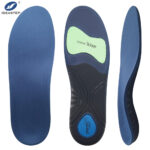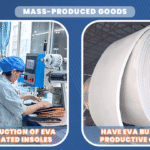
Introduction: Why 3D Printed Insoles Became a Hot Topic
3D printed insoles have gained attention in both sports and clinical orthotics. They promise precise customization, digital foot scanning, and repeatable manufacturing accuracy. But in real-world use, their performance depends on more than just printing technology.
From a clinical orthotic and footwear engineering perspective, the key question is not whether 3D printed insoles are “modern,” but whether they actually improve biomechanical support, pressure distribution, and long-term comfort.
What Are 3D Printed Insoles?
3D printed insoles are custom foot orthotics produced using digital workflows. The process typically includes:
- 3D foot scanning or pressure mapping
- CAD-based orthotic design
- Additive manufacturing using materials such as TPU, PA (nylon), or hybrid foams
Unlike traditional EVA-molded insoles, 3D printed insoles are built layer by layer, which allows engineers to control geometry and internal structure with high precision.
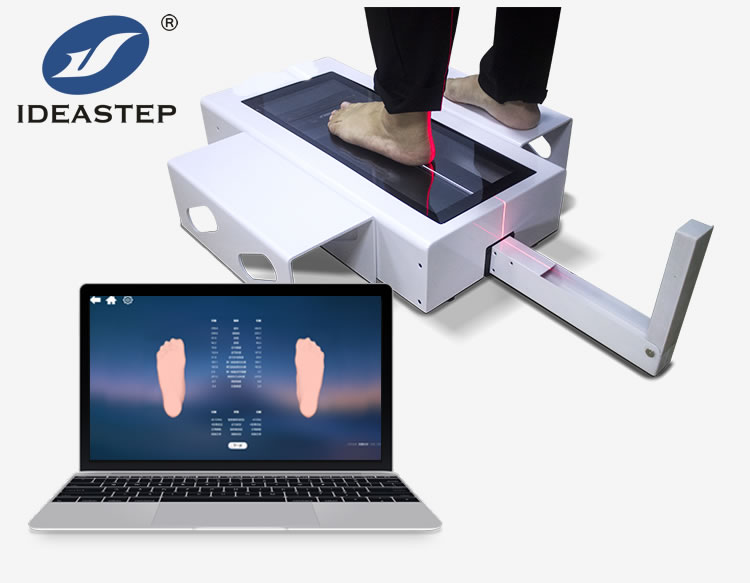
How 3D Printed Insoles Are Made in Practice
Step 1: Foot Data Collection
Clinics or manufacturers capture foot shape using 3D scanning or pressure plate systems. This data defines arch height, heel alignment, and load distribution.
Step 2: Digital Orthotic Design
Designers translate biomechanical data into a CAD model. This step determines how the insole will support the arch, control pronation, and redistribute plantar pressure.
Step 3: Additive Manufacturing
The final design is printed using industrial-grade materials. TPU is the most common choice due to its flexibility and durability.
Key Advantages of 3D Printed Insoles
High-Level Customization
3D printing allows precise adaptation to individual foot anatomy. This is particularly useful for users with asymmetrical feet, complex deformities, or chronic pain conditions.
Unlike mass-produced insoles, the structure can be adjusted in specific zones such as the heel, arch, or forefoot.
Zone-Specific Mechanical Design
Engineers can design different stiffness levels within a single insole:
- Soft forefoot cushioning for impact reduction
- Reinforced arch support for stability
- Heel control structures for alignment correction
This level of control is difficult to achieve with traditional EVA molding processes.
Repeatable Digital Manufacturing
Once a validated design is created, it can be reproduced consistently across large batches. This is especially valuable for clinics, orthopedic brands, and OEM insole suppliers.
Efficient Material Usage
Additive manufacturing reduces material waste compared to cutting or milling processes used in traditional insole production.
Limitations of 3D Printed Insoles
Material Comfort Depends on Design Choices
Most 3D printed insoles rely on TPU or nylon-based materials. While durable, these materials do not naturally provide the same soft cushioning feel as EVA foam.
Without proper design layering, users may perceive them as firmer or less forgiving during long-term wear.
Higher Production Cost
3D printing systems require scanning equipment, CAD software, and industrial printers. This increases overall cost compared to EVA-based thermoformed insoles.
Not Always Necessary for Simple Cases
For mild plantar discomfort or general comfort improvement, fully customized 3D printed insoles may be more complex than needed.
Design Expertise Is Critical
The outcome depends heavily on orthotic design quality. Printing technology alone does not guarantee biomechanical effectiveness.
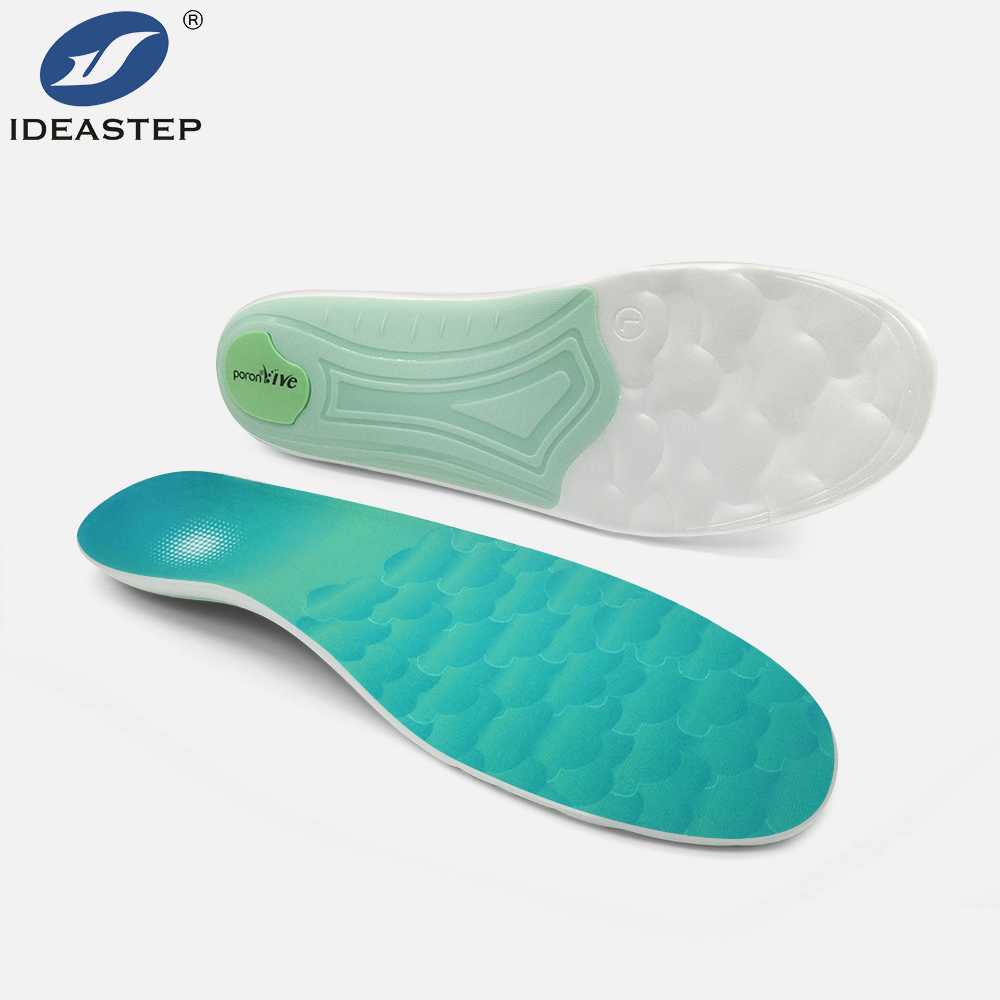
3D Printed Insoles vs EVA Orthotic Insoles
3D Printed Insoles
3D printed systems offer precise geometry control and high customization. However, comfort depends heavily on material selection and design layering.
EVA Orthotic Insoles
EVA insoles provide natural cushioning, lightweight comfort, and cost efficiency. They are widely used in mass production and OEM orthotic systems.
Key Difference
3D printed insoles focus on structural precision, while EVA insoles focus on impact absorption and comfort balance.
Who Should Use 3D Printed Insoles?
Suitable Users
- Patients with complex foot deformities (flat feet, high arch, asymmetry)
- Individuals with chronic plantar fasciitis or alignment issues
- Athletes requiring performance-specific biomechanical correction
- Orthopedic clinics requiring standardized custom solutions
Less Suitable Users
- Workers needing long-hour standing comfort only
- Users seeking soft cushioning without corrective needs
Clinical and Industrial Applications
Medical Orthotics
In clinical environments, 3D printed insoles support gait correction, pressure redistribution, and post-injury rehabilitation planning.
Sports Performance
Athletes use 3D printed insoles to improve stability, reduce injury risk, and optimize load transfer during dynamic movement.
OEM and Custom Manufacturing
Footwear brands and orthotic manufacturers adopt 3D printing for scalable customization and digital product pipelines.
Future Trends in 3D Printed Orthotic Insoles
The technology is evolving toward integrated systems combining:
- AI-driven gait analysis
- Automated orthotic design algorithms
- Hybrid materials (TPU + EVA cushioning layers)
- Mass customization for medical and sports markets
These developments suggest that 3D printed insoles will move from niche clinical tools to broader industrial applications.
Conclusion: Are 3D Printed Insoles Good?
3D printed insoles work well when clinicians or designers need precise biomechanical control. They also allow a level of customization that traditional manufacturing methods cannot easily achieve.
However, they do not outperform all other solutions in every case. In many everyday use scenarios, EVA-based orthotic insoles deliver better comfort, simpler production, and lower overall cost.
From a clinical orthotic perspective, the best solution does not depend on technology alone. Instead, it depends on how well the material system matches the user’s biomechanics, daily activity level, and support requirements.
Related product: 3D-10 Precision Alignment 3D Printed Orthotic Insole.