
Metatarsalgia causes pain in the ball of the foot and often develops due to excessive pressure, poor foot mechanics, or unsuitable footwear. Many people ask: Can insoles cure metatarsalgia?
The answer is no. Insoles cannot completely cure every cause of metatarsalgia, but the right orthotic insoles can help reduce symptoms, improve pressure distribution, and support healthier foot movement. For many people, they are an important part of a non-surgical approach to managing forefoot pain.
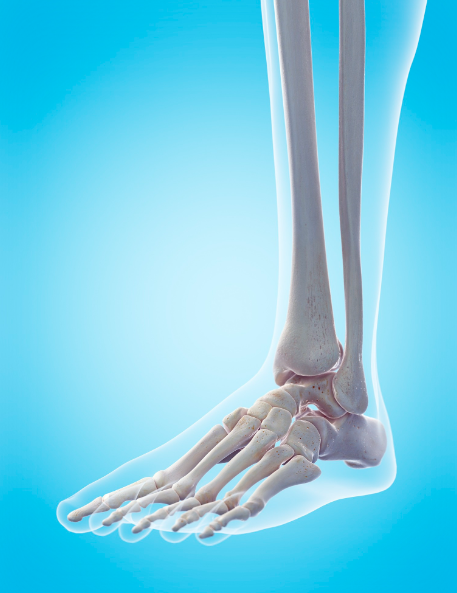
What Is Metatarsalgia?
Metatarsalgia refers to pain in the ball of the foot, especially around the metatarsal heads. This area absorbs significant forces during walking, running, and standing. When pressure becomes concentrated in this region, the surrounding tissues may become irritated and painful.
Common symptoms include:
- Burning or aching pain beneath the forefoot
- A feeling of walking on a small stone
- Increased discomfort after standing or walking for long periods
- Pain during running or high-impact activities
- Tenderness around the metatarsal area
Metatarsalgia is not always caused by one single factor. Foot structure, movement patterns, footwear, and daily activities can all influence how pressure is distributed across the foot.
Can Insoles Cure Metatarsalgia?
No, insoles cannot cure metatarsalgia in every situation. They cannot repair fractures, eliminate inflammatory conditions, or treat underlying medical problems.
However, if metatarsalgia is related to excessive forefoot pressure, poor alignment, or inadequate cushioning, properly designed orthotic insoles can make a significant difference.
From an orthotic design perspective, forefoot pain is often not caused by the painful area alone. The way the entire foot transfers weight during movement plays an important role. By improving foot mechanics and reducing stress concentration, insoles can help create better conditions for long-term comfort.
How Orthotic Insoles Help Relieve Metatarsalgia
1. Redistribute Forefoot Pressure
During walking, body weight moves from the heel toward the forefoot before pushing off through the toes. If this load becomes concentrated under specific metatarsal heads, discomfort may develop.
A properly positioned metatarsal pad helps spread pressure over a larger contact area, reducing peak pressure beneath sensitive areas.
2. Improve Foot Alignment and Walking Mechanics
Foot biomechanics affect how forces travel through the lower body. Problems such as excessive pronation, unstable arches, or uneven gait patterns may increase stress on the forefoot.
Orthotic insoles help support the arch, stabilize the heel, and improve overall foot biomechanics during the walking cycle.
3. Provide Shock Absorption
Every step creates impact forces that travel through the foot. Cushioning materials such as EVA foam and PU foam help absorb part of these forces, making them especially useful for people who stand for long periods or participate in high-impact activities.
Why Not Every Insole Works for Metatarsalgia
A common misunderstanding is that softer insoles always provide better relief. While cushioning can improve comfort, softness alone does not solve excessive pressure problems.
An insole that compresses too easily may fail to provide enough structural support, allowing pressure to remain concentrated beneath the forefoot.
Effective metatarsalgia insoles should balance:
- Pressure redistribution
- Metatarsal support
- Arch stability
- Shock absorption
- Long-term durability
The goal is not simply to make the shoe softer, but to improve how forces are managed throughout each step.
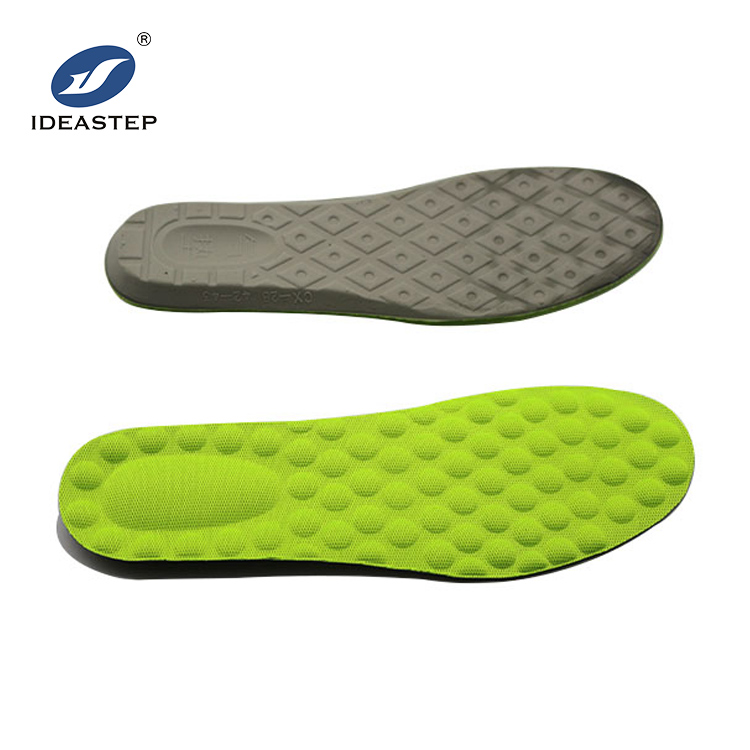
What Features Should Metatarsalgia Insoles Have?
The best insoles for metatarsalgia usually combine several design elements:
- Metatarsal support: Helps reduce concentrated pressure beneath the metatarsal heads.
- Arch support: Improves foot stability and helps distribute weight more evenly.
- Multi-density cushioning: Combines firmness for support with softer areas for comfort.
- Performance materials: EVA foam provides lightweight cushioning and resilience, while PU foam offers long-lasting comfort.
The right combination depends on the user’s foot structure, activity level, footwear type, and support requirements.
When Should You Consider Custom Orthotic Insoles?
Standard insoles may help many people with mild discomfort, but custom orthotic insoles can provide more personalized support for those with specific biomechanical needs.
Custom solutions may be recommended when:
- Forefoot pain continues despite changing shoes
- Foot alignment problems contribute to discomfort
- The user has demanding work or sports requirements
- Standard insoles do not provide enough support
Custom designs can be developed based on foot shape, pressure distribution, gait analysis, and footwear requirements to better match individual needs.
When Should You See a Healthcare Professional?
Although insoles can help manage many cases of metatarsalgia, professional evaluation is recommended when:
- Pain continues for several weeks
- Symptoms become worse over time
- There is swelling, numbness, or difficulty walking
- Pain develops after a significant injury
Some conditions require treatment beyond footwear adjustments, so identifying the actual cause of pain is important.
Why Proper Insole Design Matters for Footwear Brands
For footwear brands, podiatry clinics, and foot care companies, an effective metatarsalgia insole requires more than comfortable foam. Material density, support geometry, metatarsal positioning, and manufacturing consistency all influence product performance.
A well-designed orthotic insole should balance cushioning, stability, and biomechanical support to meet the needs of different users and applications.
Frequently Asked Questions
Can insoles completely remove metatarsalgia pain?
Insoles cannot guarantee complete pain removal, but they can significantly reduce discomfort by improving pressure distribution and supporting better foot mechanics.
Are custom orthotic insoles better for metatarsalgia?
Custom orthotic insoles may provide better results for people with specific foot alignment issues or recurring pain because they are designed around individual needs.
Should I wear metatarsalgia insoles every day?
Many users benefit from wearing supportive insoles during daily activities. New users should gradually increase wearing time to allow the feet to adapt.
Conclusion
So, can insoles cure metatarsalgia? The answer is no, but they can be a valuable solution for managing forefoot pain.
By improving pressure distribution, supporting healthy foot biomechanics, and reducing repetitive stress, properly designed orthotic insoles can help people walk more comfortably and reduce strain on the metatarsal area.
The key is choosing an insole based on biomechanical support—not simply softness. When combined with suitable footwear and professional advice when needed, orthotic insoles can play an important role in long-term foot health.
Related Articles:
Do Insoles Help with Metatarsalgia?
metatarsalgia insoles factories qualified for exports