As consumers increasingly expect footwear that is lighter, more comfortable, and longer lasting, footwear brands are placing greater emphasis on material selection. Among the many sole materials available today, EVA (Ethylene Vinyl Acetate) has become one of the industry’s most widely used options. From running shoes and casual sneakers to orthopedic footwear and sandals, EVA offers a practical balance of comfort, performance, and manufacturing efficiency.
So, what makes EVA such a popular choice?
Why EVA Stands Out as a Sole Material
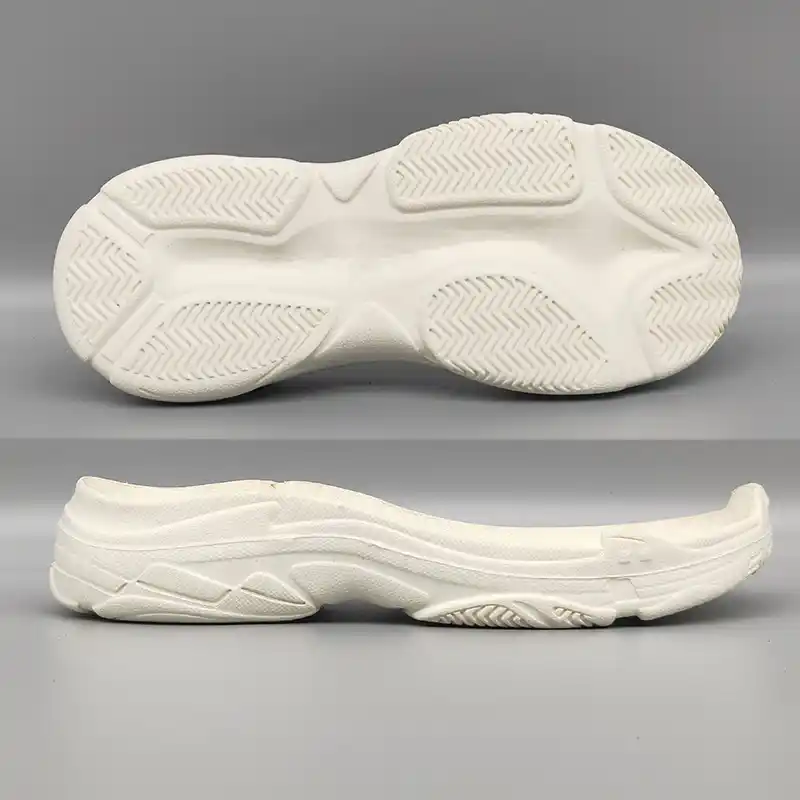
Unlike traditional solid materials, EVA is a closed-cell foam filled with tiny air pockets. This structure allows it to compress under pressure, absorb impact, and quickly recover its shape. As a result, shoes made with EVA soles are typically lighter, more flexible, and more comfortable for everyday wear.
Another advantage is its versatility. Manufacturers can adjust density, hardness, rebound, and thickness to suit different footwear categories, making EVA suitable for everything from lightweight sports shoes to supportive orthopedic footwear.
Key EVA Sole Advantages
Lightweight Without Sacrificing Comfort
Weight is a major factor in footwear design. A lighter shoe helps reduce fatigue during long periods of walking or standing while improving overall wearing comfort. Compared with many traditional sole materials, EVA provides excellent cushioning at a significantly lower weight, making it ideal for athletic and casual footwear.
Reliable Shock Absorption
When the foot strikes the ground, EVA foam compresses to help disperse impact energy before returning to its original shape. This cushioning effect reduces stress on the feet and lower limbs, making EVA a preferred choice for running shoes, walking shoes, and orthopedic footwear.
Flexible and Comfortable
EVA moves naturally with the foot, supporting a smoother heel-to-toe transition. This flexibility enhances walking comfort while helping maintain a more natural gait, especially during extended periods of wear.
Water-Resistant and Easy to Maintain
Because EVA has a closed-cell structure, it absorbs very little moisture. It dries quickly, resists mildew, and performs well in humid environments, making it a practical option for sandals, outdoor footwear, and recovery slides.
EVA vs. Other Sole Materials
Compared with rubber, EVA is lighter and offers better cushioning, while rubber provides superior abrasion resistance and traction. This is why many premium shoes combine an EVA midsole with a rubber outsole, delivering both comfort and durability.
Compared with PU (polyurethane), EVA generally weighs less and is easier to process, making it a cost-effective solution for large-scale footwear production.
What Footwear Brands Should Consider
Choosing the right EVA involves more than selecting the softest foam. Factors such as density, hardness, rebound, and compression set all influence how the finished shoe performs. For example, running shoes often require lightweight, responsive EVA, while orthopedic footwear may benefit from higher-density formulations that provide greater stability and support.
Working with an experienced manufacturer also makes a difference. Reliable suppliers can recommend suitable material specifications, maintain consistent quality across production batches, and offer OEM or ODM customization for color, hardness, thickness, and branding.
Conclusion
The growing popularity of EVA is driven by more than just its lightweight feel. Its combination of excellent cushioning, flexibility, water resistance, design versatility, and efficient manufacturing makes it one of the most practical sole materials available today.
For footwear brands, selecting the right EVA formulation—and partnering with a knowledgeable manufacturer—can improve product performance, streamline production, and create footwear that meets the evolving expectations of today’s market. Whether you’re developing athletic shoes, orthopedic products, or everyday casual footwear, understanding the EVA sole advantages is the first step toward making better material decisions.