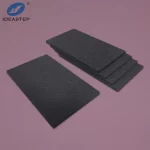
Ethylene Vinyl Acetate (EVA) is a flexible copolymer material known for its lightweight structure, cushioning performance, and versatility. It is widely used in footwear, sports products, packaging, medical products, and industrial applications.
Because EVA offers a good balance between comfort, flexibility, and durability, it has become one of the most commonly used foam materials in products that require lightweight cushioning and impact protection.
What Is Ethylene Vinyl Acetate (EVA)?
Ethylene Vinyl Acetate, commonly called EVA, is a copolymer made from two components: ethylene and vinyl acetate.
Ethylene provides strength and stability, while vinyl acetate improves softness, flexibility, and elasticity. By adjusting the material composition, manufacturers can produce EVA with different levels of hardness, density, and performance.
EVA is often processed into foam because its cellular structure provides lightweight cushioning and shock absorption, making it suitable for applications where comfort and flexibility are important.
What Is the Difference Between EVA and EVA Foam?
EVA and EVA foam are closely related but serve different purposes.
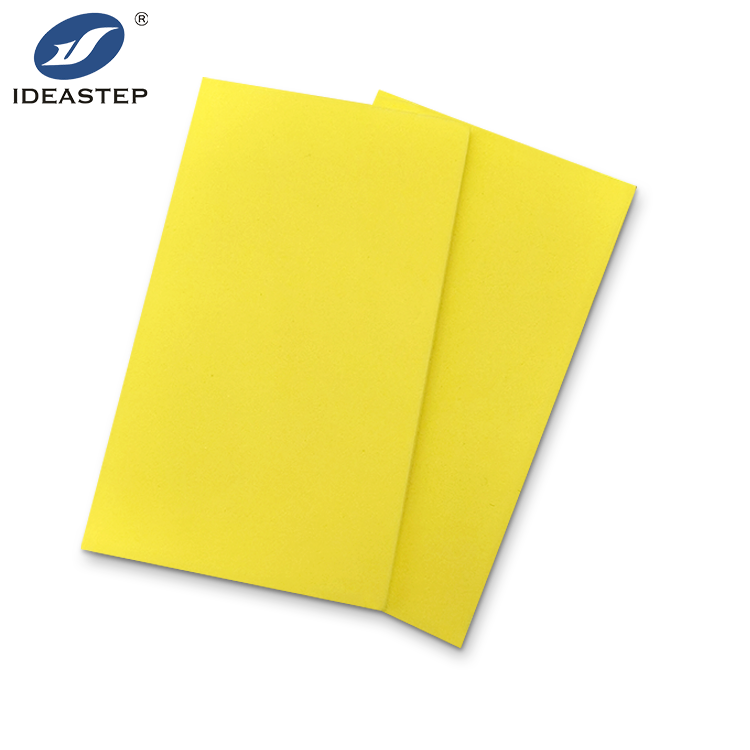
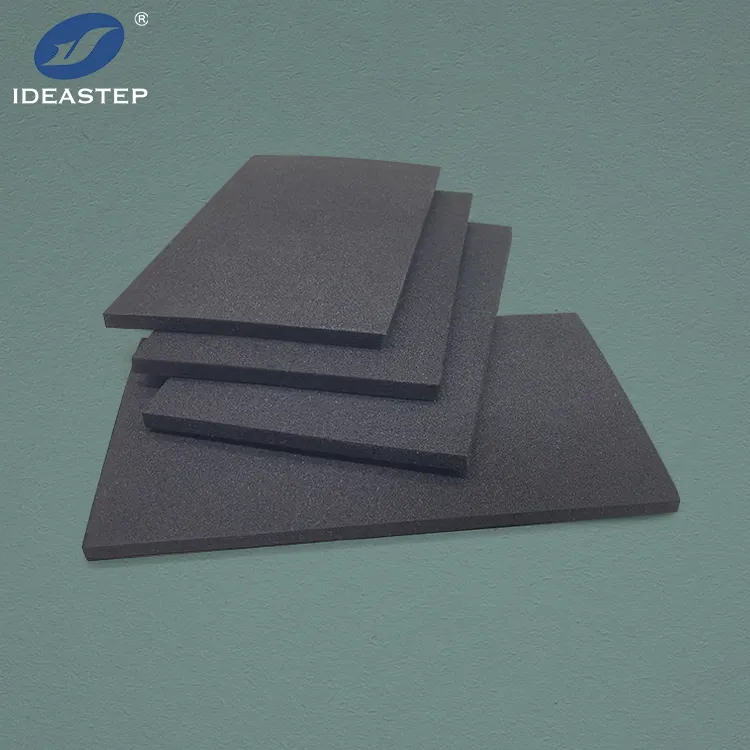
EVA refers to the basic copolymer material, while EVA foam is created by expanding EVA into a lightweight cellular structure through a foaming process.
This foam structure gives EVA additional advantages, including:
- Lightweight performance
- Better cushioning
- Improved flexibility
For this reason, EVA foam is commonly used in footwear, protective materials, sports products, and cushioning applications.
Key Properties of EVA Material
EVA is widely used because it combines several useful properties in one material. Its performance can be adjusted by changing density, hardness, and formulation.
Lightweight
EVA has a low-density structure, which helps reduce product weight while maintaining comfort and cushioning.
In footwear, this lightweight feature helps create shoes that feel easier to wear during walking, sports, and daily activities.
Cushioning Performance
The cellular structure of EVA foam helps absorb impact and reduce pressure. This makes it a popular material for shoe midsoles, insoles, and other products requiring shock absorption.
Flexibility
EVA provides good flexibility and can repeatedly bend without easily cracking. This allows EVA products to maintain comfort and performance during regular movement.
Water Resistance
EVA foam has a closed-cell structure that helps reduce water absorption. This makes it suitable for footwear, outdoor products, and applications exposed to moisture.
Common Applications of EVA Material
Due to its balanced performance, EVA is used in many industries where lightweight cushioning and flexibility are required.
EVA in Footwear
Footwear is one of the most common applications of EVA.
EVA is widely used in:
- Shoe midsoles
- Foot insoles
- Sports footwear
- Comfort shoes
In footwear design, EVA helps provide a balance between cushioning, flexibility, and weight reduction.
EVA Foam Sheets and Industrial Uses
EVA foam sheets are commonly used for protection, cushioning, and insulation.
Typical applications include:
- Protective packaging
- Equipment padding
- Tool case liners
- Shock absorption materials
Sports and Medical Applications
The lightweight and cushioning properties of EVA make it suitable for various sports and healthcare products.
Common examples include:
- Exercise mats
- Sports protection materials
- Supportive padding
- Orthotic products
Factors That Affect EVA Performance
The performance of EVA depends on several important factors.
Density
Density affects the balance between softness, support, and durability. Lower-density EVA usually feels softer and lighter, while higher-density EVA provides stronger support and compression resistance.
Hardness
Hardness determines whether EVA feels soft or firm. Different hardness levels allow EVA to be used in various applications, from cushioning products to supportive components.
Compression Resistance
Compression resistance describes how well EVA maintains its original shape after repeated pressure. This is especially important for footwear applications where materials experience continuous loading.
Advantages and Limitations of EVA
| Advantages | Limitations |
|---|---|
| Lightweight and comfortable | May compress after long-term heavy use |
| Good cushioning performance | Lower abrasion resistance than some rubber materials |
| Flexible and easy to customize | Performance depends on formulation and processing |
Frequently Asked Questions About EVA
Is EVA foam waterproof?
EVA foam is water-resistant because of its closed-cell structure, which helps reduce water absorption. However, it is not completely waterproof in every application.
Is EVA good for footwear?
Yes. EVA is widely used in footwear because it provides lightweight cushioning, flexibility, and comfort. The final performance depends on factors such as density, hardness, and design.
What is EVA commonly used for?
EVA is commonly used in footwear, sports products, packaging materials, protective foam, medical products, and industrial applications.
Conclusion
Ethylene Vinyl Acetate (EVA) is a versatile material valued for its lightweight structure, cushioning ability, flexibility, and adaptability.
With different density and hardness options available, EVA can be customized for a wide range of applications, especially footwear, sports products, and protective materials.
Explore More:
Is EVA Material Good for Rainy Season?
Is EVA Foam Safe for Babies?
What kind of fabric is EVA?